Inside Edmonton

Pabian Realty Presents

Sign up below for new weekly content on the market, the charm, and the people that make Edmonton like no other city in Canada

What’s happening in the market today?

RSS

Big Changes Are Coming to Windermere - What You Should Know

As of May 2026, the neighborhood is shedding its "suburban outpost" reputation and evolving into a fully integrated, high-connectivity hub. If you’ve been watching from the sidelines, here is why the current "construction phase" is actually the strongest buy signal we’ve seen in a decade.

The "Infrastructure Pop": Terwillegar Drive Stage 3

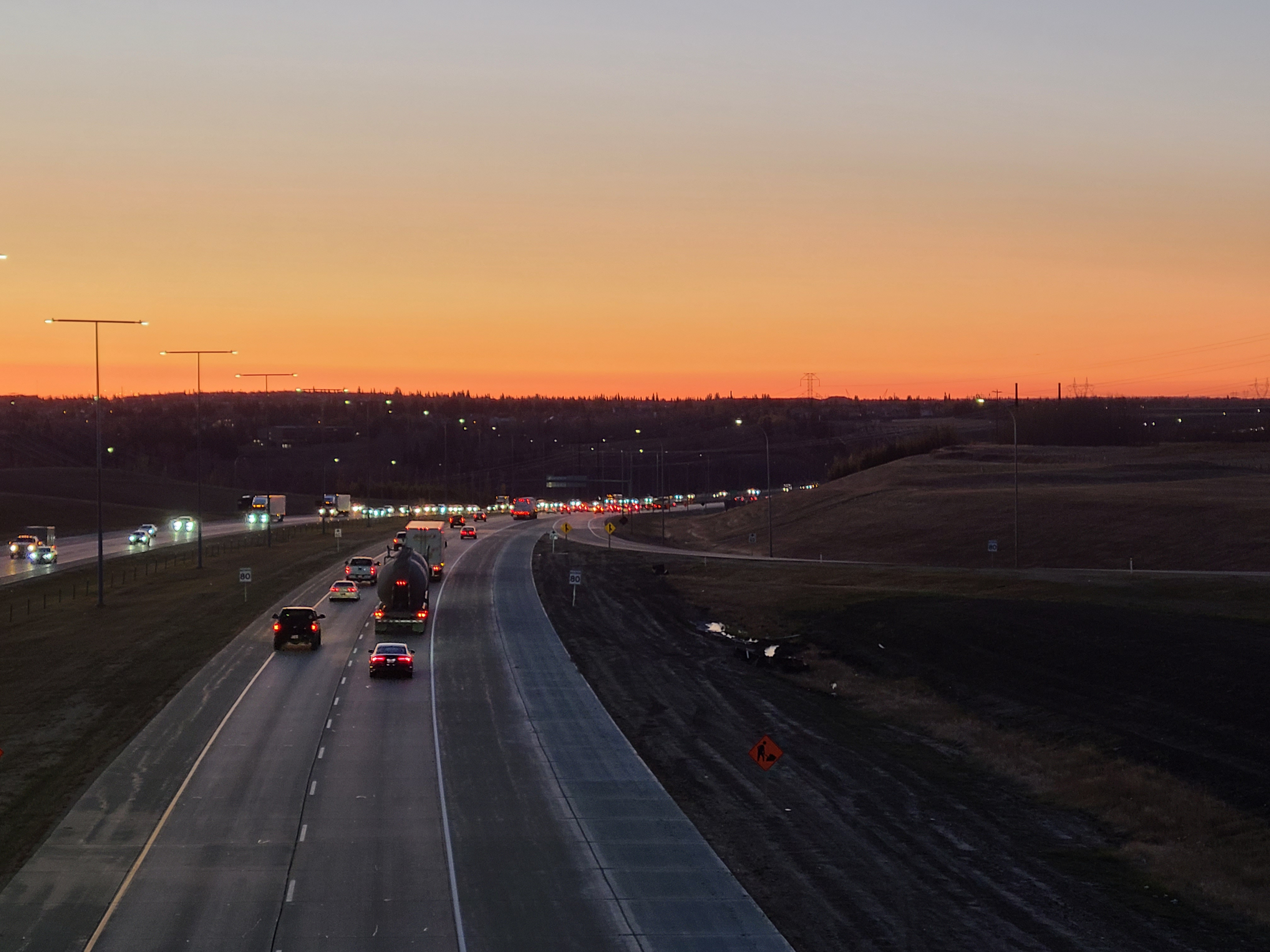
We are officially at the starting line of the final, most impactful phase of the Terwillegar Drive Expansion. While Stages 1 and 2 smoothed out the northern stretches, Stage 3 (kicking off this month) is the one that directly unlocks Windermere’s long-term value. If you live in Southwest Edmonton, you’ve likely been stuck in traffic near Anthony Henday Drive and Terwillegar Drive lately. Which begs the question…

What’s actually happening?

According to the City of Edmonton’s May 2026 Construction Bulletin, this phase includes:

  • A Brand New Northbound Bridge: A dedicated structure for northbound traffic over the Anthony Henday is now under construction. Once finished in 2028, the existing bridge will be repurposed for southbound-only traffic, effectively doubling the capacity into and out of the neighborhood.

  • The Pedestrian Game-Changer: For the first time, a dedicated pedestrian and cyclist bridge will span the Anthony Henday. This will connect Windermere Boulevard directly to the established trails of Haddow and the wider River Valley system, making the community truly "active."

  • Widening to 170th Street: The expansion includes adding dedicated transit lanes and widening 170 Street to south of Windermere Boulevard, ensuring that "rush hour" becomes a thing of the past.

Investment Logic: Historically, property values in "bottleneck" neighborhoods jump the moment the bottleneck is cleared. By the time the ribbons are cut in 2028, the current "construction discount" will likely have vanished and property values are likely to shoot up.

More Than a Mall: The Windermere District Park

For years, the critique of Windermere was that it was "all shopping and no soul." That narrative is officially changing.

The Windermere District Park Project has moved from the drawing board into active site preparation. Located at 170 Street SW and Rabbit Hill Road, this isn’t just a neighborhood park—it’s a massive regional amenity.

  • Recreation Hub: The site is now cleared (tree removals were completed in early 2026) and will soon feature sports fields, multi-use pathways, and open green spaces that act as a "backyard" for the entire Southwest.

  • Lifestyle Connectivity: The park will serve as the "green lungs" of the community, finally balancing the high-end retail of The Currents with the outdoor lifestyle Edmontonians crave.

The Education Anchor: New High School Funding

One of the biggest drivers of real estate value is school proximity. In the 2026 Provincial Budget, the Alberta government officially announced planning funding for a new high school in the Glenridding Heights/Windermere area.

This school will be a cornerstone of the Windermere District Park site, providing much-needed capacity for the growing population of Southwest Edmonton. For families, this means their children can stay within the community from K-12, a factor that traditionally keeps resale values high and days-on-market low.

Windermere Market Snapshot (May 2026)

The market remains resilient despite higher inventory levels across the city. While the Greater Edmonton average home price sits at roughly $478,902, Windermere continues to command a premium due to its architectural standards and amenities.

MetricWindermere Stats (May 2026)Market Context
Average Detached Price$858,138+0.6% Month-over-Month
Median Condo/Townhome$361,500Highly competitive for first-time buyers
Avg. Days on Market18 DaysOutperforming the city average
Top Search Term"Windermere homes with garden suites"Reflecting a move toward multi-generational living

Frequently Asked Questions (FAQ)

How long will the Stage 3 construction last?

Major construction for Stage 3 began in May 2026 and is expected to take approximately two years, with substantial completion targeted for late 2027 or early 2028.

Are there still affordable options in the area?

While the estate homes on Windermere Drive can exceed $2M, the areas of Ambleside and Windermere South offer modern townhomes and duplexes starting in the mid-$300s to $400s, making the neighborhood accessible to more than just the luxury tier.

What happened to the "Windermere bottleneck"?

The completion of Stage 1 and 2 has already significantly improved flow. Stage 3 is the final piece of the puzzle that removes the merging conflicts at the Anthony Henday interchange - it’s a hot mess now, but it will be worth it once the work is completed.

Ready to Find Your Windermere Home?

The best time to buy was five years ago; the second best time is today—before the pylons disappear and the prices take flight. Whether you are looking for a luxury estate or a strategic investment property, Windermere is the neighborhood to watch in 2026.

To check out properties in Windermere or anywhere else in Edmonton, set up your search today or text Mike at 780-232-2064.

Read

The 87th Avenue Transformation: A Homeowner’s Guide to the Valley Line West Real Estate Surge

If you’ve driven through West Edmonton recently, you’ve likely noticed that 87th Avenue looks more like a grand engineering experiment than a commuter road. As of May 2026, we are in the "thick" of the Valley Line West (VLW) construction. The pylons are everywhere, the detours are frustrating, and the dust is real.

But for homeowners and savvy investors at pabianrealty.ca, those concrete guideways represent something far more significant than a traffic jam: they are the physical manifestation of long-term equity growth.

Let’s dig deep into why the 87th Avenue corridor is currently the most interesting real estate play in Edmonton.

1. The Project Review: Why This Isn't Your "Old" LRT

To understand the value impact, we first have to understand the technology. Unlike the high-floor Capital and Metro lines that utilize massive concrete barriers and gated crossings, the Valley Line is an "Urban Style" Low-Floor LRT.

Why "Urban Style" Changes the Real Estate Game

  • Integration, Not Segregation: The tracks are flush with the street. There are no massive pedestrian overpasses or "forbidden zones" fenced off from the neighborhood.

  • Pedestrian-First Design: The project includes the total overhaul of 87th Avenue’s sidewalks and bike lanes. We aren’t just getting a train; we are getting a revitalized streetscape that makes the West End more walkable than it has been in 50 years.

  • The 87th Ave Hubs: 2026 is a massive year for the Misericordia Station and the West Edmonton Mall (WEM) Station. These aren't just stops; they are "Transit-Oriented Development" (TOD) anchors that will draw high-density residential and commercial interest for decades.

2. The Proximate Principle: The "Golden 800 Metres"

In urban economics, the Proximate Principle is the observed increase in land value as you get closer to a significant public amenity. For the Valley Line West, this isn't a simple "the closer, the better" equation—it’s a curve.

The Impact Zones

  • The 400-Metre "Density Zone": Properties within a 5-minute walk of the 87th Ave stations (like those in Meadowlark Park or Thorncliff) are seeing the most aggressive rezoning potential. Under Edmonton’s 2026 zoning bylaws, these lots are "gold mines" for developers looking to build row housing or mid-rise apartments.

  • The 800-Metre "Sweet Spot": This is where the highest residential resale premium usually sits. It’s a 10-minute walk. Residents here get all the benefits of the LRT (access to downtown in 20 minutes) without the immediate noise or high-density foot traffic of the station platform itself.

  • The Distance Decay: Beyond 1.2 km, the direct "LRT premium" begins to fade, though these homes still benefit from the overall lift in West Edmonton’s desirability.

Expert Insight: Data from similar projects in North America suggests that homes within the "Sweet Spot" can command a price premium of 10% to 15% over identical homes located further from the line once the project is operational.

3. Anchors of Value: The Misericordia & WEM

Real estate values don't exist in a vacuum; they rely on employment and entertainment.

The Misericordia Hospital Effect

With the ongoing expansion of the Misericordia, the 87th Ave LRT station becomes a vital link for thousands of healthcare professionals. We are already seeing a trend of "medical rentals" in Jasper Park and Westridge—properties specifically purchased to house staff who want a 5-minute commute via the train.

The WEM Evolution

West Edmonton Mall remains the city's largest employment hub. The elevated station at WEM is arguably the most complex piece of infrastructure in the project. Once completed, it transforms WEM from a "driving destination" into a "transit-connected village," drastically increasing the value of surrounding condos in Aldergrove and Belmead.

4. The "Three-Wave" Value Cycle: Where are we now?

Market appreciation on transit projects usually happens in three distinct bursts:

  1. The Announcement Peak (2020-2021): Speculators buy in, and prices jump on "hype."

  2. The Construction Slump/Stability (2024-2026): THIS IS NOW. Construction fatigue sets in. Local buyers get frustrated by the traffic, and some "patience-tested" owners sell. This is often the best time to buy because the "hassle factor" keeps prices from exploding too early.

  3. The Operational Surge (2028+): The day the first passenger boards, the value "locks in." The convenience becomes a reality, and the "Construction Discount" disappears overnight.

5. Frequently Asked Questions (FAQ)

Q: Will the LRT noise decrease my property value?

A: Modern low-floor LRTs are significantly quieter than the old high-floor trains. Furthermore, the 87th Ave corridor is already a high-traffic area. The trade-off—losing some traffic noise for a quiet electric train—usually results in a net positive for property values.

Q: Should I sell my house now or wait until 2028?

A: If you can wait, wait. Selling during a "construction zone" phase is challenging because "curb appeal" is at an all-time low. Once the 87th Ave paving and landscaping are completed in late 2026/early 2027, your property will look and feel much more valuable.

Q: How does the new 2026 Zoning (RS Zone) affect my LRT-adjacent home?

A: The City of Edmonton has moved toward "Small Scale Residential" zoning which allows for more doors on a single lot. If you are near the 87th Ave line, your land is now much more valuable to a builder than it was three years ago, even if the house itself is older.

The Verdict: Don't Let the Pylons Fool You

The construction on 87th Avenue is temporary; the infrastructure is permanent. As we move through the final major stages of the Valley Line West in 2026, the opportunity for West Edmonton homeowners to build significant equity is peaking.

Are you curious how much the "Proximate Principle" has added to your home's value this year?

At Pabian Realty, we specialize in West Edmonton's shifting landscape. We don't just look at the house; we look at the tracks, the zoning, and the future of your neighborhood.

Get Your Free, No-Obligation Property Valuation Here

Reliable Sources for Further Reading:

Read

Staging Your Home: The Secret to Faster Sales and Higher Returns

When selling your home, first impressions are everything. In today’s digital-first real estate market, your home’s "online curb appeal" often determines whether a buyer books a showing or keeps scrolling. This is where home staging—the art of preparing a residence for sale by highlighting its best features—becomes a critical tool for sellers.

At Pabian Realty, we want our clients to have the best data to make informed decisions. Below, we break down the latest statistics from industry leaders like the National Association of Realtors (NAR) and RE/MAX, along with advice on when staging is most effective.


The Statistics: Does Staging Actually Work?

The consensus among real estate professionals is overwhelming: staging helps homes sell. According to the National Association of Realtors (NAR) 2023 Profile of Home Staging, the impact on buyer perception is significant:

  • Easier Visualization: 81% of buyers' agents reported that staging a home made it easier for a buyer to visualize the property as their future home.

  • Increased Offer Value: 20% of buyers' agents stated that staging increased the dollar value offered by 1% to 5% compared to similar non-staged homes.

  • Faster Sales: On the listing side, 48% of sellers' agents noted that staging a home decreased the total time the property spent on the market.

RE/MAX data echoes these findings, suggesting that staged homes can sell for up to 6% to 10% more than those that aren't staged and often spend 73% less time on the market. Academic research also supports the idea that while staging may not always radically change a buyer's ultimate "willingness to pay" in every scenario, it significantly improves the "perceived livability" and the overall opinion of the home, which are necessary precursors to receiving an offer (Lane et al., 2015).


Vacant vs. Occupied: When Does Staging Make the Most Sense?

Staging isn't a one-size-fits-all solution. Depending on the state of your property, your strategy should change.

1. Vacant Properties: The "Must-Stage" Scenario

Vacant homes are notoriously difficult to sell. Without furniture, rooms often look smaller than they are, and buyers struggle to understand the scale or how to layout a room.

  • The Advice: Staging is essential here to "warm up" the space and provide a sense of purpose to every room. It transforms a cold, empty shell into an inviting home.

2. Occupied Properties: The "Edit and Neutralize" Scenario

If you are living in the home, you may not need a full furniture rental.

  • The Advice: Focus on decluttering and depersonalizing. Professional stagers often suggest a "consultation" where they use your existing furniture but rearrange it to improve flow and remove personal items (like family photos) that might distract buyers.

  • When it might not make sense: If your home is already modern, minimalist, and well-furnished, a full staging package may be an unnecessary expense. A simple professional deep clean and some minor "fluffing" (new pillows, fresh flowers) might suffice.


General Pricing: What to Expect in the Canadian Market

Pricing for staging varies by the size of the home and the level of service required. In the Canadian market, you can generally expect the following:

  • Initial Consultation: Most professional stagers charge between $200 and $500 for a detailed walkthrough and a report of recommendations.

  • Occupied Staging (The "Refresh"): Using your own furniture with some added accessories typically costs $500 to $1,500.

  • Vacant Staging (Full Service): For a standard 3-bedroom home, the initial set-up fee (including furniture delivery and design) often ranges from $2,000 to $5,000.

  • Monthly Rentals: Most stagers include the first month in the set-up fee, with subsequent months costing roughly $500 to $1,000 depending on the amount of furniture rented.


Pro Advice for Sellers

If you're on a tight budget, focus on the "Big Three" rooms. According to the NAR, these rooms have the greatest impact on buyers:

  1. Living Room (91%)

  2. Primary Bedroom (81%)

  3. Kitchen (78%)

Investing in these areas provides the highest return on your staging dollar.

For more personalized advice on preparing your home for the Edmonton market, contact the team at Pabian Realty today. We’re here to help you navigate every step of your real estate journey.


References

Read

The Great Edmonton Condo Comeback: Why 2026 is the Year of the Apartment

Posted by: Mike Pabian | May 12, 2026

If you had asked an Edmonton real estate expert back in January what to expect from the condo market, "explosive growth" probably wasn't the first phrase out of their mouth. Forecasters were predicting a modest, perhaps even sluggish, year for apartment-style living.

But the May 2026 numbers are in, and they’ve come as a welcome surprise for those potentially looking to sell this year. While detached homes are holding steady, apartment condominiums just posted a staggering 6.5% price increase in a single month. With the average condo price now sitting at $225,842, the "Condo Comeback" isn't just a trend—it's the defining story of the 2026 spring market.


The Spring Surprise: By the Numbers

For years, Edmonton's condo market was the quiet sibling to the booming detached housing sector. That changed this April. According to the latest data from the REALTORS® Association of Edmonton (RAE), the segment has pivoted sharply.

MetricApril/May 2026 DataComparison
Average Condo Price$225,842📈 +6.5% (Month-over-Month)
Price vs. Last Year+3.4%📈 Higher than April 2025
Detached Average$589,384↔️ -0.1% (Month-over-Month)

While detached homes saw a negligible dip of 0.1%, the 6.5% jump in condos suggests that buyers are shifting their gaze. As the gap between a house and an apartment nears $360,000, the math for first-time buyers is finally hitting a tipping point.

Why Now? The "Triple Threat" Driving Demand

The sudden rally in the condo sector can be attributed to three main factors:

1. The Bank of Canada "Hold"

The Bank of Canada has held its policy rate at 2.25%, providing the stability buyers needed to move off the sidelines. With 5-year variable mortgage rates as low as 3.4%, the monthly carrying cost of a $225,000 condo is now significantly lower than the average Edmonton rent, which has continued to climb.

2. The Affordability Bridge

With the average detached home approaching the $600,000 mark, many young professionals and families are realizing that "entry-level" no longer means a bungalow in the suburbs. The condo has become the essential bridge to homeownership in a city that—despite being the "Affordability King" of Canada—is seeing its land value rise.

3. The Investor Pivot

"We’re seeing a lot of interest from out-of-province investors again," says Darlene Reid, 2026 Board Chair for the REALTORS® Association of Edmonton. "With the rental market tightening and the price gap between Edmonton and Calgary widening, investors see the $225k price point as a high-yield opportunity with low entry barriers."


Where is the Heat?

The "comeback" isn't happening everywhere equally. Three specific areas are leading the charge:

  • The University District: High demand for student housing and medical professional rentals has made Garneau and Strathcona perennial favorites.

  • Downtown & Oliver (The "Warehouse District"): With the completion of Warehouse Park, the central core is seeing a revitalization. Buyers are looking for the "walkable lifestyle" that only high-rise living provides.

  • The West End (LRT Corridor): Savvy buyers are picking up older condos near the Valley Line West LRT stops, betting on future appreciation as the line nears full operational maturity.


The Verdict: Is it a Bubble or a Reset?

Most experts agree this is a market reset, not a bubble. For nearly a decade, Edmonton condos were undervalued relative to the cost of construction. The 6.5% jump is the market finally catching up to the reality of 2026 inflation and population growth.

Pro Tip for Buyers: With inventory up 31% year-over-year across the board, you still have the power of choice. However, in the condo segment, that "choice" is disappearing faster than it was three months ago. If you’re looking to buy, the "wait and see" period is likely over.


Frequently Asked Questions (FAQ)

Is 2026 a good time to buy a condo in Edmonton?

Yes, for many it is the "sweet spot." While prices jumped 6.5% this month, the entry point of ~$226,000 remains the most affordable urban housing option in major Canadian cities. With the Bank of Canada holding rates at 2.25%, financing is more predictable than it has been in years.

What is "House Hacking" and is it still popular?

Absolutely. In 2026, "House Hacking 2.0" involves purchasing properties—often new builds in areas like Laurel—that feature legal basement suites or side entrances. This allows owners to rent out a portion of their home to cover a significant chunk of their mortgage, a strategy that has become a standard move for savvy first-time buyers.

How does the LRT expansion affect property values?

Properties within walking distance of the Valley Line West and Metro Line Northwest are currently seeing a "transit premium." Investors are buying now to capitalize on the increased desirability and higher rental rates expected once these lines are fully operational.

With inventory up 31%, why are condo prices rising?

While overall inventory is high, the demand for affordable units is outstripping the supply of desirable condos. Much of the new inventory consists of detached homes, whereas the "turn-key" condo market in central and university-adjacent areas is seeing a rapid absorption rate.

What should I look for in a condo document review?

In 2026, buyers are paying close attention to Reserve Fund Studies and Insurance Deductibles. With the rise in extreme weather events, ensuring the condo corporation has a healthy "rainy day" fund and manageable insurance premiums is just as important as the unit’s square footage.


Ready to explore your options? Whether you are looking for a first home or a strategic investment, Mike Pabian is here to guide you with integrity and unmatched local expertise.

Contact Mike Pabian today to start your search!

Read

Momentum Builds: Edmonton’s Real Estate Market Sets Up for Peak Spring Months

As we move into the heart of the spring season, the Edmonton real estate market is showing clear signs of momentum. According to the latest April 2026 report from the REALTORS® Association of Edmonton (RAE), the Greater Edmonton Area (GEA) is experiencing a steady upward trend in activity, signaling a productive season ahead for those looking to enter the market.

While we aren't seeing the same frantic multiple-offer frenzies of the previous year, the steady growth in both prices and inventory suggests a healthy, maturing market. Let’s dive into the numbers and what they mean for you.


April 2026 Market Stats at a Glance

  • Total Residential Sales: 2,482 (↑16.4% from March 2026)

  • New Listings: 4,204 (↑13.9% from March 2026; ↑9.1% Year-over-Year)

  • Inventory Levels: ↑31.4% higher than April 2025

  • Average Selling Price: $478,902 (↑1.7% from last month)

  • MLS® Home Price Index (HPI) Benchmark: $431,900


What This Means for Sellers: Leverage and Preparation

For sellers, the narrative is one of steady demand. While inventory has increased significantly (up 31.4% compared to last year), well-priced homes in desirable neighborhoods are still moving quickly.

  • Pricing is Key: With more inventory on the market, buyers have more choices. You can no longer rely on scarcity alone to drive up your price. Accuracy in your initial listing price is more critical than ever to ensure you don’t sit on the market.

  • Detached Dominance: The detached market remains the powerhouse of Edmonton, with average prices sitting at $589,384. If you are selling a single-family home, you are in the strongest segment of the market.

  • A "Normal" Pace: The 2026 market is moving at a more predictable pace. This is good news for "bridge" sellers—those who need to sell their current home to buy their next one—as the timelines are becoming more manageable.

What This Means for Buyers: Choice and Opportunity

If you’ve been sidelined by the aggressive competition of previous years, April’s data offers a breath of fresh air.

  • More Inventory, More Power: With a 13.9% month-over-month increase in new listings, buyers finally have the "luxury of choice." You have more opportunities to view multiple properties and perform due diligence without the fear of the home disappearing in hours.

  • Stable Interest Rates: The Bank of Canada’s decision to hold the policy rate at 2.25% until at least mid-June provides a stable backdrop for your mortgage planning. This predictability allows you to lock in rates and shop with confidence.

  • Condo Values: Apartment condominiums saw a significant price jump of 6.5% this month, bringing the average to $225,842. For first-time buyers, this segment remains the most accessible entry point into the Edmonton market, though prices are starting to climb.

What This Means for Investors: Long-Term Stability

Edmonton continues to be one of the most attractive investment hubs in Canada due to its nation-leading affordability and stable rental demand.

  • Steady Appreciation: While we aren't seeing "boom" spikes, the 1.9% year-over-year increase in average prices reflects a stable, low-risk environment for capital appreciation.

  • Rental Demand: As the spring market heats up, we typically see an influx of new residents moving for work. The increase in row/townhouse sales (up 17.4% from March) highlights a growing interest in medium-density properties—ideal for "buy-and-hold" rental strategies.

  • Inventory Absorption: While inventory is up, sales are also trending upward (up 16.4% month-over-month). This indicates that the market is efficiently absorbing new listings, a sign of a robust local economy.


Frequently Asked Questions (FAQ)

Q: Is it a "Buyer's Market" or a "Seller's Market" right now?

A: If you’re prepared and knowledgeable, you can get what you want. Worrying about who has the leverage is not unimportant, but it’s not the focus. Good market, bad market - people need a place to live, and there are deaIs to be had regardless of your situation. Currently, Edmonton is trending toward a balanced market. While sellers still enjoy rising prices, the significant increase in inventory (31.4% year-over-year) has given buyers much more leverage and choice than they had 12 months ago.

Q: How long does it take to sell a home in Edmonton currently?

A: While specific days-on-market (DOM) vary by property type, the market is moving into its peak spring rhythm. Well-maintained detached homes are seeing the fastest turnover, while the condo market is seeing renewed interest.

Q: Are multiple offer situations still happening?

A: They are less frequent than last year but yes, it still happens. Darlene Reid, the 2026 Board Chair of the REALTORS® Association of Edmonton, noted that while prices have room to rise, we are unlikely to see the extreme multiple-offer situations that defined the previous spring season.

Q: What is the average price of a detached home in Edmonton?

A: As of April 2026, the average price for a detached home in the Greater Edmonton Area is $589,384.


Looking to make a move?

Whether you're looking to capitalize on your home’s equity or find your first investment property, navigating the spring market requires a strategic approach.

Contact Pabian Realty today for a personalized home evaluation or a curated list of available properties in your favorite Edmonton neighborhoods. I’m available at 780-232-2064 or mike@pabianrealty.ca.

Read

The Best Places to Buy A House Under $400 000

The 2026 Edmonton Value Map: A Deep Dive into Strategic Neighborhoods

1. Calder: The Infill Powerhouse

Calder is currently the epicenter of Edmonton’s "Zoning Revolution." With the city’s mature trees and large lots, it has become the primary target for developers and "house hackers" looking to capitalize on the 2026 density rules.

  • The RS Zone Update: As of late April 2026, the City has finalized the Small Scale Residential (RS) Zone amendments. While the maximum building height was recently adjusted from 10.5m to 9.5m to address community feedback, the allowance for up to 8 dwelling units per lot remains a massive draw for investors (Source: CTV News Edmonton).

  • The Play: Buying a bungalow in Calder today is a land-banking strategy. Buyers are increasingly using the City's Affordable Housing Investment Program to offset construction costs for multi-unit builds (Source: City of Edmonton).

2. Kernohan & Fraser: The Northeast "Ribbon of Green"

These two neighborhoods are benefiting from the 2026 Ribbon of Green Strategic Plan, which was formally presented to Council in January 2026. This plan prioritizes the "Northeast Reach" of the river valley for new trail connectivity and ecological preservation.

  • Kernohan: Known for the Anne Fitzgerald Catholic School, it has become a "safe-haven" for families. Property values here are rising as the neighborhood is integrated into the city’s new River Valley Area Redevelopment Plan (ARP) (Source: City of Edmonton - River Valley Modernization).

  • Fraser: Offers some of the best "price-per-river-view" ratios in the city. While detached benchmarks in the Southwest exceed $650k, Fraser’s detached homes remain competitive near the $420,000–$440,000 mark.

3. Belmont: The Affordability King

Belmont continues to dominate search trends for "starter homes." With the April 2026 market report showing a 33.89% increase in total residential inventory, buyers in Belmont have more leverage than they’ve had in years (Source: REALTORS® Association of Edmonton via Trevor Tardif).

  • The 15-Minute City Hub: Belmont is anchored by the Clareview LRT and the Clareview Recreation Centre. In 2026, its appeal is driven by the Active Transportation Network—a series of new protected bike lanes that make this one of the most accessible Northeast hubs.

4. Tamarack: The "Turn-Key" Investment

Tamarack has transitioned from a "new" community to a fully mature Southeast powerhouse. It is a top-performing area for absorption rates in 2026 due to the high density of homes built with "suite-ready" side entrances.

  • The Meadows Magnet: Homes within walking distance of The Meadows Community Recreation Centre are commanding a premium.

  • The 2026 Trend: "House Hacking" is the standard here. Buyers are specifically searching for properties that can qualify for CMHC's MLI Select financing by offering energy-efficient suites, a common feature in Tamarack’s newer inventory (Source: Haupt Realty 2026 Forecast).


2026 Market Pulse FAQ

What is the current "Benchmark Price" for an Edmonton home?

As of April 2026, the benchmark price for a detached home is approximately $502,600, showing a modest 1.47% increase year-over-year. Apartments have seen more pressure, with benchmarks sitting around $201,300 (Source: Bōde Market Report).

Why is inventory so high right now?

Inventory has surged by nearly 34% compared to early 2025. This is largely due to "seasonal normalization"—sellers who waited through the high-rate environment of 2024 are finally listing their homes as the Bank of Canada’s rate-cutting cycle stabilizes (Source: RE/MAX 2026 Outlook).

Is the City still giving grants for basement suites?

Yes. The City of Edmonton’s Affordable Housing Investment Program (which replaced the older Cornerstones grants) offers significant funding for projects that meet specific energy-efficiency or affordability criteria (Source: City of Edmonton Grants).

How long does it take to sell a home in 2026?

The average Days on Market (DOM) is currently 39 days, up from 31 days at the same time last year. This gives buyers more time for inspections and due diligence (Source: REALTORS® Association of Edmonton).

Does the "Ribbon of Green" plan affect my property taxes?

While it doesn't directly raise taxes, the River Valley ARP (approved August 2025) and the Ribbon of Green Strategic Plan increase the "amenity value" of nearby homes, which typically leads to higher long-term appreciation in areas like Kernohan and Fraser.

For more information on communities like these, contact Mike Pabian (that’s me!) at 780-232-2064 or via email at mike@pabianrealty.ca.

Read

Edmonton Real Estate Market Update: March 2026

The "Spring Fever" has officially hit the Edmonton housing market, and while the surge in activity is palpable, the data suggests we aren't quite in the "wild west" conditions of years past. The March 2026 report from the REALTORS® Association of Edmonton reveals a market that is broadening—offering more choice for buyers while requiring a sharper competitive edge from sellers. We are seeing a clear transition toward a balanced market. While sales are jumping month-over-month, the underlying narrative is one of recovery and stabilizing inventory.


The Statistical Breakdown: March 2026

To understand your strategy, you first have to understand the sandbox you’re playing in. The Greater Edmonton Area (GEA)—which includes Edmonton, St. Albert, Sherwood Park, and surrounding municipalities—is seeing a significant influx of listings.

Greater Edmonton Area (GEA) at a Glance

MetricMarch 2026 ValueMonth-over-Month (M/M)Year-over-Year (Y/Y)
Total Sales

2,133 units

↑ 33.1%

↓ 14.0%

New Listings

3,809 units

↑ 30.6%

↑ 4.2% (YTD)

Average Price

$470,819

↑ 3.4%

↑ 2.2%

Median Price

$443,500

↑ 2.5%

↓ 0.3%

Days on Market

38 days

↑ from 30 days


Strategy for Sellers: Standing Out in a Crowded Field

With 6,214 units currently sitting in inventory across the GEA, "just putting it on the MLS" is no longer a guaranteed win. The strategy has shifted from scarcity to superiority.

1. Price for the "Search Bracket"

As shown in the median price data ($443,500 for the GEA and $420,000 for the City), buyers are extremely sensitive to specific price points. If your home is worth roughly $455,000, listing it at $449,900 is a strategic masterpiece. It keeps you visible to everyone searching under the $450k cap while positioning you as a "high-value" option in that bracket.

2. The "Patience Quotient"

The average residential property is now taking 38 days to sell, up from 30 days last year. Do not panic if you don’t have five offers by Monday morning.

  • Detached homes are moving fastest at 36 days.

  • Apartment condos are lingering longer at 48 days.

3. Capitalize on "High Roller" Momentum

The luxury market is surprisingly active. With a detached home selling for $2,900,000 and an apartment condo reaching $873,000 this month, there is clearly capital moving at the top end of the market. If you own a premium property, now is the time to highlight unique architectural features and high-end finishes.


Strategy for Buyers: Exploiting the Balanced Market

For the first time in a while, the data suggests that buyers have leverage. With 2.9 months of inventory (MOI) in the GEA, you aren't fighting for scraps; you're browsing a buffet.

1. Reintroduce Your Conditions

Last year, many buyers felt forced to drop inspection or financing conditions. With properties sitting on the market for an average of 38 days, you have the "time luxury" to perform your due diligence. Use this. A thorough home inspection is your best negotiation tool in a balanced market.

2. Targeted Negotiations in the Condo Sector

The average price for apartment condominiums is down 2.8% year-over-year. While the median price showed a small 1.5% bump, the overall trend for condos is much more buyer-friendly than detached homes. If you are an investor or first-time buyer, this is where your dollar has the most "stretching power."

3. Track the Benchmark, Not the Sticker

Look at the MLS® Home Price Index (HPI) trends. The benchmark price of $426,000 is recovering from a significant dip that occurred in late 2025. Buying while the curve is still in its "climb" phase—rather than at the absolute peak—is the key to long-term equity growth.


Understanding "Months of Inventory" (MOI)

MOI is the most important metric you aren't tracking. It measures how long it would take to sell all current listings if no new ones were added.

  • 0–4 Months: Seller's Market (Prices rise).

  • 4–6 Months: Balanced Market (Stable prices).

  • 6+ Months: Buyer's Market (Prices may soften).

At 2.9 to 3.3 MOI, Edmonton is leaning toward the "Balanced" side of the Seller's market. It's a "sweet spot" where both parties can walk away feeling like they got a fair deal.


Frequently Asked Questions (FAQ)

Is the market crashing? Not even close. While year-over-year sales volume is down 14.0%, the average selling price is actually up 2.2% compared to last March. We are seeing a stabilization, not a crash.

Why are homes taking longer to sell? Inventory has increased. With 3,809 new listings hitting the GEA market in March alone, buyers are taking more time to compare their options before making an offer.

Which property type is the safest investment right now?

Detached homes continue to show the most consistent growth, with both average and median prices up 3% month-over-month.

What does the 33.1% jump in sales mean? This is the "Spring Bounce". It’s a normal seasonal trend where buyers who were waiting out the winter finally enter the market. The high number of new listings (up 30.6%) is keeping that demand from turning into a price spike.


Navigating this market requires more than just a search bar; it requires a strategy. Whether you're looking to capitalize on the detached home growth or find value in the condo market, the Pabian Realty team is here to help you interpret the data and win.

Click here to book a strategy session with Mike Pabian and the team today!

Sources:

Read

10 things you MUST know when moving to Edmonton

2026 has seen a massive surge in relocations from Vancouver, Toronto, and Montreal over the last two years. People aren't just moving here for the jobs anymore—they’re moving for the lifestyle. But Edmonton is a unique beast. It’s not just "Calgary’s sibling" or "the place with the big mall."

To help you hit the ground running, we’ve expanded our definitive guide. Here are the top 10 things you need to know about moving to Edmonton in 2026.


1. Real Estate: The Land Transfer Tax "Gift"

When you buy a home in Toronto, you pay a provincial land transfer tax and a municipal one. In Vancouver, the numbers are equally eye-watering. In Edmonton? There is no Land Transfer Tax. You pay a small title registration fee that usually costs a few hundred dollars, rather than tens of thousands.

As of April 2026, the market has seen steady growth due to high demand, but the "affordability gap" remains staggering:

  • The Toronto/Vancouver Scenario: A $1.2M budget gets you a fixer-upper or a stacked townhouse.

  • The Edmonton Scenario: That same budget buys a custom-built, luxury estate in a premiere neighborhood like Windermere or a historic, fully renovated mansion in Glenora.

  • The Entry Level: You can still find beautiful, detached starter homes in the $450,000–$500,000 range in developing communities like Chappelle or Cy Becker.

2. The Alberta Advantage 2.0 (The Tax Equation)

It’s not just the 0% Provincial Sales Tax (PST). While saving 7–10% on every purchase is life-changing for your monthly budget, the real win is in the "Alberta Tax Bracket." Alberta typically has higher basic personal amounts and competitive tax rates compared to Quebec or Ontario.

Pro Tip: If you’re a high-earner or a business owner, your "take-home" pay in Edmonton can be significantly higher than in Montreal or Toronto. We recommend running your current salary through an Alberta tax calculator; the "raise" you give yourself just by moving might surprise you.

3. The "Ribbon of Green" vs. The Ocean

Vancouverites often fear they’ll feel "landlocked." While we don't have the Pacific, Edmonton owns the North Saskatchewan River Valley, the largest stretch of urban parkland in North America.

Unlike Stanley Park, which is a destination, the River Valley is an integrated part of daily life. It’s a 150km+ network of trails that connects the entire city. In the summer, you’ll see people commuting to work via e-bike through lush forests. In the winter, those same trails become a highway for cross-country skiers and fat-bikers. If you value "nature at your doorstep," Edmonton delivers it in a way that feels wilder and less manicured than Toronto’s High Park or Montreal’s Mount Royal.

4. The 2026 Transportation Evolution

Edmonton was historically a "truck city," but that is changing fast. The LRT (Light Rail Transit) expansion has hit major milestones this year. The Valley Line now connects the southeast and west to the downtown core, making it increasingly viable to live a one-car (or even no-car) lifestyle in the central neighborhoods.

However, if you do drive, Anthony Henday Drive is your best friend. It’s a massive ring road that circles the entire city. While the 401 in Toronto is a test of human patience, the Henday generally keeps the city "30 minutes from everything."

5. A Winter Culture, Not Just a Winter Season

Let’s address the elephant in the room: it gets cold. But there is a massive difference between a Montreal winter and an Edmonton winter.

  • The Humidity: Edmonton is dry. -15°C in a humid climate like Toronto feels like it’s biting your bones. In Edmonton, it’s a "crisp" cold that is easily managed with layers.

  • The Sun: Edmonton is one of the sunniest cities in Canada. Even in January, you will see brilliant blue skies.

  • Winter Cities Strategy: Edmonton doesn't hide indoors. From the Silver Skate Festival to the massive ice sculptures at Ice on Whyte, the city is designed to be enjoyed in the snow. We have outdoor fire pits in public plazas and "winter patios" with heaters and blankets.

6. The "Festival City" Moniker is Earned

You might be used to the Jazz Fest in Montreal or TIFF in Toronto, but Edmonton’s festival scene is grassroots and relentless.

  • The International Fringe Theatre Festival: The oldest and largest in North America. For ten days in August, the Old Strathcona district turns into a chaotic, wonderful carnival of performance art.

  • Edmonton Folk Music Festival: Set against the skyline in Gallagher Park, it’s widely considered one of the best folk fests in the world.

  • K-Days & Heritage Days: Massive summer staples that celebrate the city's diverse cultural makeup.

7. The Economic Shift: Tech & Hydrogen

Coming from the tech hubs of Vancouver or Toronto? You’ll find a familiar spirit here. Edmonton has become a global leader in Artificial Intelligence and Machine Learning, anchored by the University of Alberta and Amii (Alberta Machine Intelligence Institute).

Beyond tech, Edmonton is the epicenter of Canada's Hydrogen economy. As the world shifts toward net-zero, billions in investment are flowing into the Edmonton region. This isn't just an oil town anymore; it’s an energy and innovation hub with a job market that is remarkably resilient.

8. Neighborhood Personalities: Finding Your "Vibe"

When you move here, choosing the right neighborhood is vital because they all offer vastly different lifestyles:

  • Old Strathcona/Ritchie: This is our "East Vancouver." It’s where you’ll find the best coffee (check out Transcends or Ritchie Market), local breweries, and a heavy arts influence.

  • wîhkwêntôwin (formerly Oliver): The densest neighborhood in the city. Perfect for those moving from downtown Toronto who want high-rises, walkability, and proximity to the Victoria Promenade.

  • Griesbach: A former military base turned into an award-winning "New Urbanist" community. It features lakes, hills, and beautiful architecture, perfect for young families.

  • Keswick/Windermere: The southwest suburbs. Think high-end new builds, modern shopping centers, and manicured streets.

9. The Culinary & Brewery Explosion

If you think the best food in Canada is restricted to Montreal or Toronto, prepare to be corrected. Edmonton’s food scene has exploded in the last five years. Because the cost of commercial rent is lower here, chefs take bigger risks.

  • The "Brewmuda Triangle": Areas like Happy Beer Street (99th St) feature a high concentration of award-winning microbreweries.

  • Farm-to-Table: With world-class farmland surrounding the city, the local food movement isn't a trend—it’s the standard.

10. The Community League System

This is the "secret sauce" of Edmonton. We have the oldest and most sophisticated Community League system in the country. Almost every neighborhood has its own volunteer-run league that manages a community hall, a skating rink, and local programming.

It’s the easiest way to meet your neighbors. Coming from a large, anonymous city, newcomers are often shocked at how quickly they are invited to a neighborhood BBQ or a community skating party.


Cost of Living Comparison: 2026 Monthly Breakdown

Monthly ExpenseVancouverTorontoEdmonton
Mortgage (Avg Detached)$6,200+$5,400+$2,450
PST/HST (on $1k spend)$120$130$50
Car Insurance (Avg)$160$190$145
Childcare (Avg)$1,100$1,200$850

Relocation FAQ

Q: Do I really need a truck?

A: No. While trucks are popular, a standard AWD SUV or even a front-wheel-drive sedan with high-quality winter tires is perfectly fine for 99% of Edmonton’s winter days.

Q: What is the "Ice District"?

A: It’s a 25-acre mixed-use development downtown. It houses Rogers Place (where the Oilers play), luxury hotels, offices, and a public plaza that hosts massive watch parties. It has completely revitalized the downtown core.

Q: Are the schools good?

A: Alberta’s curriculum is consistently ranked among the best in the world. Edmonton specifically has "Open Studies," meaning you can often apply to schools outside your immediate catchment area if they have space and specific programs (like Cogito, Mandarin Immersion, or Fine Arts).

Q: How is the "Daylight" situation?

A: In the summer, the sun stays up until nearly 11:00 PM, which is magical for patio season. The trade-off is that in late December, it sets around 4:30 PM. Most Edmontonians lean into "Hygge" (coziness) during those dark months.

Q: How do I start the buying process from another province?

A: We do this every day! At Pabian Realty, we offer virtual tours, neighborhood video walkthroughs, and we can coordinate with your out-of-province lawyer to ensure the transition is seamless.


Your Move Starts Here

Transitioning from a Tier-1 Canadian metro to Edmonton isn't a "step down"—it’s a "step up" in terms of financial freedom and quality of life. You’re trading a two-hour commute for a two-minute walk to a trail. You’re trading a massive mortgage for a retirement fund.

If you're ready to explore what Edmonton has to offer, reach out to the experts at Pabian Realty. Let’s find your place in the heart of the West.

Visit pabianrealty.ca to browse current listings or book a relocation consultation.

Read

Navigating the New Era of Edmonton Real Estate

For years, the Edmonton real estate narrative was written in adrenaline. From the post-pandemic surge of 2022 to the inventory-starved "bidding war era" of 2024 and 2025, the market felt like a high-speed chase. But as the snow melts in this April of 2026, the engine has cooled.

2026 is unique. It isn't a "crash," and it isn't a "boom." It is a return to rationality. For the first time in nearly 36 months, the power dynamic in Edmonton has leveled out. If the last two years were about "acting fast," this year is about "thinking deeply."

This comprehensive deep dive explores the macroeconomic pressures, the neighborhood-specific shifts, and the hard math that every Edmonton homeowner and buyer needs to understand to succeed in this new balanced landscape.


I. The Macro Picture: Why "Balanced" is the Word of the Year

In real estate, a "Balanced Market" is defined by a Sales-to-New-Listings Ratio (SNLR) between 45% and 55%. In 2024, Edmonton was pushing a blistering 75%, meaning for every 10 homes listed, 7.5 were sold almost immediately. That’s just not sustainable.

As of April 2026, that ratio has settled at 51%, which indicates a return to balance.

The Inventory Surge

The most visible change is the "For Sale" sign. In April 2025, active listings in the Greater Edmonton Area (GEA) hovered around 4,800. Today, we are seeing over 7,100 active listings.

Why the sudden influx?

  1. The Investor Exit: Many out-of-province investors who bought "sight unseen" in 2023-2024 are looking at the new 2026 property tax rates and deciding to liquidate, taking their capital gains while they are still near peak.

  2. The Upsize Unlock: Families who were "stuck" in their starter homes because they were afraid they couldn't find a replacement are finally seeing enough inventory to make their move.

  3. New Construction Completion: The massive development push in neighborhoods like Secord and Edgemont from 2024 has finally reached the "possession" phase, flooding the market with brand-new options.


II. The "Monthly Math": Property Taxes and Interest Rates

In 2026, the conversation has shifted from the Purchase Price to the Carrying Cost. With the City of Edmonton’s 6.9% property tax increase and the jump in the Provincial Education Property Tax, the "hidden costs" of homeownership are higher than they’ve been in a decade.

The Tax Reality Check

Let's look at the impact on a typical Edmonton home.

Home Value2025 Est. Tax (Annual)2026 Est. Tax (Annual)Monthly Increase
$450,000 (Condo/Townhome)$3,915$4,185+$22.50
$600,000 (Avg. Detached)$5,220$5,580+$30.00
$850,000 (Estate/Luxury)$7,395$7,905+$42.50

While $30 or $40 a month might not seem like a dealbreaker, when combined with utility rates and insurance premiums—which have risen roughly 12% year-over-year—the modern buyer is being much more conservative with their debt-to-income ratios.

Interest Rate Plateau

The Bank of Canada has signaled a "Hold" pattern for the first half of 2026. With the 5-year fixed rate sitting between 3.2% and 3.6% for insured mortgages, we have moved past the "shock" of 2023. Buyers have accepted this as the "New Normal."

The Strategy: We are seeing a massive trend toward "Mortgage Buydowns" where sellers offer to pay a portion of the buyer's interest rate for the first two years to secure a sale. This is a classic "Balanced Market" tactic that hasn't been seen in Edmonton for years.


III. The Neighborhood Breakdown: Where the Action Is

Edmonton is not one single market; it is a collection of micro-markets. Here is how the most popular zones are performing in 2026:

1. The Southwest (Windermere, Keswick, Heritage Valley)

The Southwest remains the prestige leader, but it is also where the most inventory has landed.

  • Trend: "Estate" homes over $900,000 are sitting longer (75+ days).

  • The Opportunity: If you are a move-up buyer looking for a luxury property, you finally have the leverage to negotiate on price and include conditions.

2. The West End (Rosenthal, Secord, Edgemont)

The West End is the "First-Time Homebuyer Capital" of 2026.

  • Trend: High demand for Townhomes with no condo fees. These are selling within 25 days or less because they offer the best balance of "size vs. tax burden."

  • The Opportunity: New builds in Secord are offering aggressive "Spring Incentives" including finished basements or landscaping packages, some offering over $50 000 in savings.

3. Mature Neighborhoods (Glenora, Strathearn, Bonnie Doon)

Edmonton’s District Policy (The "15-Minute City" plan) has fully taken root.

  • Trend: Infill is king. We are seeing a surge in "Skinny Homes" and backyard suites (Garden Suites) as owners look for ways to generate rental income to offset those higher property taxes.

  • The Opportunity: Buying an older bungalow on a large lot in a neighborhood like Holyrood is no longer just a housing play—it’s a land-banking play for future multi-unit development.


IV. The Rise of the "Missing Middle"

The biggest shift in 2026 search trends is the term "Missing Middle." For decades, you either bought a high-rise condo or a single-family house with a yard. In 2026, the most engaged buyers are looking for something in between: Row houses, four-plexes, and courtyard housing.

Why the obsession with the Middle?

  1. Efficiency: Shared walls mean lower heating bills (critical as carbon taxes and utility costs rise).

  2. Land Use: You get the feeling of a house without the $6,000+ tax bill of a large detached lot.

  3. Community: 2026 buyers are prioritizing walkability. They want to be near the Valley Line LRT or the updated bike lanes in the core.


V. The Interprovincial Migration Factor: The "Alberta is Calling" Legacy

Even with local tax hikes, the "Alberta Advantage" hasn't vanished—it’s just changed its pitch.

In April 2026, the price gap between Edmonton and Vancouver/Toronto remains a chasm.

  • Average Vancouver Detached: $2.1M+

  • Average Toronto Detached: $1.6M+

  • Average Edmonton Detached: $571k

We are seeing a new wave of "Equity Rich" migrants. These aren't just young professionals looking for their first home; they are retirees from the coast who are selling their $2M bungalows, buying a $700,000 "forever home" in Griesbach or St. Albert, and putting $1M into their retirement funds. This "Retire-to-Edmonton" trend is providing a massive boost to the mid-to-high-end bungalow market.


VI. The 2026 Seller’s Playbook: How to Win in a Crowd

In a market with 7,000+ competitors, you cannot afford to be "average." If you are selling your Edmonton home this spring, you need a surgical approach.

The "First 72 Hours" Rule

In a balanced market, the "honeymoon phase" of a listing is shorter. If you don't get a showing in the first 72 hours, your price is too high for the current sentiment.

  • Action: Don't wait three weeks to drop the price. In 2026, a 2% price adjustment in week two is more effective than a 5% drop in week six.

The "Pre-Inspection" Edge

Because buyers are no longer in a "panic," they are more scrutinizing.

  • Action: At Pabian Realty, we are recommending sellers conduct a Pre-Listing Home Inspection. By putting the report on the kitchen counter during showings, you remove the "fear factor" for the buyer and encourage a cleaner, faster offer.

Digital Presence 3.0

By 2026, standard photos aren't enough.

  • Action: Your listing needs Drone Cinematography (to show proximity to schools/parks) and AI-Staged Virtual Tours that show a buyer exactly how a "flex room" can become a high-end home office.


VII. The 2026 Buyer’s Playbook: Patience is a Virtue

If you are buying, breathe. The "Bully Offer" is a relic of 2024.

1. The "Off-Market" Hunt

With inventory up, some sellers are "testing the waters" with exclusive or pocket listings before going to the MLS. Working with a connected REALTOR® who knows the neighborhood "whispers" is how you find the best deals in 2026.

2. Condition Negotiation

Use your leverage. If the home needs a new roof in three years, ask for the credit now. If the furnace is 20 years old, ask for a replacement or a price reduction. In a balanced market, these are standard conversations, not "deal-killers."

3. Focus on the "Landed Value"

When looking at properties, calculate your Total Monthly Exposure (TME):

TME = {Mortgage} + {Property Tax} + {Utilities} + {Insurance}

In 2026, the home with the lower TME will always hold its resale value better than the one with the flashier kitchen but higher overhead.


Final Thoughts: The Integrity Era

The 2026 market is a "truth-teller." It rewards homes that are well-maintained and priced fairly, and it punishes those that are over-leveraged or neglected.

At Pabian Realty, we believe that this "Balanced Market" is actually the healthiest environment for our clients. It allows for transparency. It allows for due diligence. And most importantly, it allows you to make a decision based on lifestyle, not just fear.

Whether you are navigating the tax implications of a sale in Terwillegar or looking for your first "missing middle" home in Blatchford, we are here to provide the market insights and personalized attention you deserve.

Experience real estate done right. Experience the 2026 Edmonton market with Pabian Realty.

Curious about the specific value of your home in this new balanced market? Contact Mike Pabian today for a comprehensive Home Evaluation that looks beyond the surface data. 780-232-2064

Read

Edmonton’s Top Family-Friendly Neighborhoods: A Data-Driven Guide for 2026

When you are looking for a new home, you aren’t just buying square footage, an attached garage, and updated countertops; you are investing in an environment for your family. If you are reading this, you are likely one of the thousands of Edmonton residents—or families looking to relocate here from across Canada—who are searching for one specific thing: peace of mind.

We know how stressful the homebuying process can be. You are trying to balance budget, commute times, and school catchments, all while asking the unspoken question that keeps parents awake at night: "Is this the right place for my kids?"

In a balanced 2026 real estate market where buyers finally have more options to choose from and inventory is sitting around 3.6 months of supply, navigating this anxiety is more manageable, but the choices can feel overwhelming. With the frantic bidding wars of the past in the rearview mirror, you actually have the time to drive through neighborhoods at dusk, research school zones, and make an intentional choice.

It is important to address this search intent responsibly. As Real Estate Professionals, we cannot and do not subjectively label neighborhoods as definitively "safe" or "unsafe." Safety means entirely different things to different people based on their lived experiences.

Instead, we take a strict, data-driven approach. In this guide, we define "family-friendly" strictly through objective, measurable criteria:

  1. Low relative crime statistics based on public Edmonton Police Service data.

  2. Child-safe infrastructure (traffic calming, pedestrian safety, and lighting).

  3. Abundant amenities (schools, active community leagues, and recreation).

If you are looking for a neighborhood where you feel confident investing your family’s future without breaking the bank, here is our data-driven look at Edmonton’s top communities for 2026.


Understanding the Data: Beyond the Front Door

To make an informed decision, you must first know where the data comes from and how to interpret it. A neighborhood is an ecosystem, and evaluating it requires looking at multiple layers of civic data.

1. The EPS Community Safety Portal

The primary resource for evaluating neighborhood activity is the Edmonton Police Service (EPS) Community Safety Data Portal. This public tool allows anyone to generate map-based reports detailing occurrence counts for different types of criminal activity (Property Crime vs. Violent Crime) over the past 30 days or the past year.

When evaluating a community, we advise our clients to look at the rate of crime relative to the population density, rather than just raw numbers. A commercial hub will naturally have higher raw incident numbers than a quiet cul-de-sac.

"EPS is committed to creating a safe and secure community... We encourage citizens to utilize this data to stay informed about activity in their area and engage with police in collaborative crime prevention efforts."Edmonton Police Service

2. CPTED Principles (Crime Prevention Through Environmental Design)

Safety is heavily influenced by how a neighborhood is physically built. According to the City of Edmonton's CPTED principles, communities that prioritize specific design elements are naturally more resilient to criminal activity:

  • Natural Surveillance: Clear sightlines from living room windows to the street, low fences in front yards, and abundant street lighting.

  • Territorial Reinforcement: Clear physical boundaries that show a space is cared for and monitored (like well-maintained community gardens).

  • Natural Access Control: Designing streets (like loops and cul-de-sacs) that intentionally discourage non-local, cut-through traffic.

3. Traffic Safety and Vision Zero

For parents, "safety" is often synonymous with traffic. We look closely at neighborhoods that align with Edmonton's Vision Zero initiative, which aims to eliminate traffic fatalities and severe injuries. Neighborhoods with dedicated multi-use trails, separated sidewalks, raised crosswalks, and strictly enforced 40 km/h residential speed limits score exceptionally high on our family-friendly index.


Top Family-Friendly Community Feature: The Orchards at Ellerslie

If you are searching for a suburban retreat with unparalleled community engagement, The Orchards at Ellerslie (located in deep Southwest Edmonton) consistently ranks as one of the city’s most desired family destinations.

Our definition of family-friendly relies heavily on Community Amenities. According to recent search data from the REALTORS® Association of Edmonton, The Orchards has seen a significant spike in 2026 interest because of the The Orchards Residents Association (ORA). This 12,000-square-foot clubhouse and 8-acre private park is the hub of the community, offering a spray park, rinks, tennis courts, and programmed family events. An engaged, highly visible community is inherently a safer community.

Furthermore, EPS Crime Data reports show that newer, planned communities like The Orchards often have lower established property crime rates compared to high-traffic commercial or industrial zones. This is largely because they are designed to be low-density, utilizing CPTED principles like cul-de-sacs that prevent high-speed cut-through traffic.

  • Average 2026 Detached Home Price: ~$550,000 to $650,000.

  • Family-Friendly Infrastructure: Features the illuminated 93rd Street multi-use trail, traffic calming loops, and direct walking access to highly-rated local schools like Jan Reimer School and Divine Mercy Catholic Elementary.

Top Family-Friendly Community Feature: Lake Summerside

Pioneering the resort-style living concept in Edmonton, Lake Summerside remains a powerhouse for family-centric real estate. Located just east of the Gateway Boulevard corridor, it offers an incredibly unique, contained environment.

The defining feature here is the exclusive, 32-acre freshwater lake and 10-acre park accessible only to residents via the Summerside Residents Association. Because the central hub of the community is access-controlled and heavily monitored by community staff, it creates an incredibly secure environment for children to swim, play tennis, and skate in the winter.

From a traffic perspective, Summerside was master-planned to keep arterial roads on the deep exterior perimeters, leaving the interior streets winding, slow, and pedestrian-heavy.

  • Average 2026 Detached Home Price: ~$600,000 to $750,000+ (Premiums apply for lake access/views).

  • Family-Friendly Infrastructure: Access-controlled beach club, extensive paved pathway networks connecting to Michael Strembitsky School, and strict architectural guidelines that maintain property values and community aesthetics.

Top Family-Friendly Community Feature: Strathearn

For families who want to remain central while prioritizing peace of mind and access to nature, the mature, historic community of Strathearn (located in Southeast Edmonton) is a standout for 2026.

Strathearn scores highly on our criteria for infrastructure and community engagement. This is a highly active community known for the Strathearn Art Walk and a fiercely dedicated Community League. CPTED principles tell us that highly active, visible public spaces are a major deterrent to crime. Furthermore, the neighborhood’s streets are mature, well-lit, and characterized by massive Elm tree canopies which naturally slow vehicle traffic.

From a 2026 market perspective, Strathearn has modernized beautifully. The recent addition of the Valley Line Southeast LRT provides unparalleled connectivity to downtown without overwhelming the quiet, residential feel of the inner streets.

  • Average 2026 Home Price: A diverse mix of original bungalows ($450,000+) and premium modern infill properties ($850,000+).

  • Family-Friendly Infrastructure: Direct, walkable access to the River Valley trail system, proximity to the redeveloping Bonnie Doon Mall, and walking distance to the highly-regarded École publique Gabrielle-Roy.

Top Family-Friendly Community Feature: Griesbach

Griesbach (located in Northwest Edmonton) is arguably the city's masterpiece of CPTED and community-focused infrastructure. Built on a former military base, Griesbach was designed from the ground up to minimize traffic, maximize visibility, and foster daily community interaction.

When looking at publicly available EPS data for Griesbach, the neighborhood consistently shows lower-than-average incidence counts for its size. The community's strict architectural guidelines prevent homes from having high, privacy-obscuring fences in the front yards, ensuring that neighbors have clear sightlines—the ultimate form of natural surveillance.

Infrastructure is key here. The neighborhood is built around four central lakes, a sprawling central hill, and a network of protected pathways that prioritize pedestrians over vehicles. The Griesbach Community League is incredibly active, running community gardens and ensuring these amenities are meticulously maintained.

  • Average 2026 Detached Home Price: ~$600,000 to $700,000+.

  • Family-Friendly Infrastructure: Town-square style retail at The Village at Griesbach (meaning you can walk for groceries), dedicated pedestrian-only greenbelts, and home to Major General Griesbach School.

Top Family-Friendly Community Feature: Windermere (Ambleside)

Rounding out our list is the greater Windermere area, specifically the Ambleside neighborhood in the Southwest. If convenience and modern infrastructure define your family's needs, this area is tough to beat.

Ambleside was built with the modern family in mind. Its road networks are specifically designed to funnel heavy traffic directly toward the Anthony Henday ring road, keeping the deep residential pockets incredibly quiet. The area benefits from intense commercial investment, meaning families rarely have to leave the bubble of the neighborhood for necessities, reducing daily commute stresses.

Because it is a newer build area, the street lighting is modern (bright LEDs), sidewalks are wide, and public spaces are highly visible.

  • Average 2026 Detached Home Price: ~$580,000 to $800,000+.

  • Family-Friendly Infrastructure: Walking distance to the Currents of Windermere (which includes a VIP movie theater, medical clinics, and grocery stores), modern playgrounds, and easy access to Dr. Margaret-Ann Armour School.


Frequently Asked Questions (FAQ)

1. How do I know if the schools in these neighborhoods are a good fit for my child?

Educational quality is a critical, yet subjective, factor for families. While we do not rank schools, we guide you to The Fraser Institute’s annual school rankings, which provide an objective, data-driven report card on every elementary and high school in Edmonton. We also heavily recommend researching the specific catchment areas and specialized programming (like French Immersion or Cogito) on the Edmonton Public Schools and Edmonton Catholic Schools websites.

2. Are communities with higher crime numbers on the EPS map always "worse"?

Not necessarily, which is why context is vital. High-density commercial areas, LRT transportation hubs, or industrial zones will naturally have higher raw incident numbers than a small, quiet, residential cul-de-sac. When using the EPS map, zoom in specifically on the residential streets and evaluate the rates of crime, not just the totals for an entire sprawling police district.

3. What is the difference between a Community League and a Residents Association (HOA)?

This is a great question. Community Leagues (like in Strathearn or Griesbach) are volunteer-run, non-profit organizations. Membership is optional and usually costs around $20-$40 a year. A Residents Association or Homeowners Association (like in Lake Summerside or The Orchards) is a legally binding encumbrance on your property title. You are legally required to pay annual HOA fees (often $300-$500+ a year), which go toward funding private, exclusive amenities like beach clubs, private rinks, and enhanced landscaping.

4. Will buying in a "low-crime" neighborhood guarantee higher resale value?

While desirability directly impacts price, resale value depends on dozens of factors, including overall market conditions in 2026, the specific lot location, home condition, and your upgrades. However, neighborhoods with high quality of life, good schools, and a reputation for tranquility always command premium market demand, making them safer financial investments long-term.

5. How do property taxes factor into these amenity-rich communities?

Your property taxes in Edmonton are based on the assessed value of your home, not the specific amenities in the neighborhood. However, because highly desirable, family-friendly neighborhoods often have higher home valuations, you will naturally pay higher property taxes than you would for a similarly sized home in a less desirable area. Your real estate agent can help you calculate exact carrying costs before you write an offer.

6. How can I get involved in maintaining my new community's family-friendly environment?

The single best thing you can do is purchase an annual membership to your Community League. They are the front line of community engagement and civic advocacy. You can also participate in the EPS Neighborhood Watch program, which trains local residents to recognize and report suspicious activity responsibly and effectively.


Investing in a home for your family is a serious decision that deserves extensive, data-driven research. The Edmonton market in the spring of 2026 provides a stable, balanced opportunity for buyers, finally giving you the time to properly evaluate your choices without the pressure of a 24-hour bidding war.

Put your trust in an expert - call or text Mike Pabian at 780-232-2064 and schedule your Discovery Day today!

Read

Strategic Selling in a Slower Market: How to Stand Out When Edmonton Buyers Have Options

If you are preparing to list your Edmonton home this spring, you might be feeling a bit of whiplash. Just a short time ago, it felt like all you had to do was toss a "For Sale" sign on the front lawn, and multiple offers would magically appear by dinner time.

It is completely valid to feel frustrated that selling takes more effort now, but it is crucial to ground our expectations in current reality. The frantic, sight-unseen bidding wars are largely behind us. We have officially entered a balanced market, which means buyers finally have the luxury of time and choice. To sell successfully in this environment, you cannot rely on the tactics that worked in 2023 or 2024. You need a deliberate, data-driven strategy.

Here is your comprehensive guide to pricing, staging, and standing out in Edmonton’s slower, more intentional 2026 real estate market.


The Spring 2026 Market Reality Check

Before you list, you need to understand the playing field. As an AI, I process a massive amount of real-time local data, and the numbers for the spring of 2026 tell a very clear story of transition.

According to the February 2026 market report from the REALTORS® Association of Edmonton (RAE), the market is seeing a surge in supply. Here is exactly what we are dealing with right now:

  • Inventory is up significantly: Overall inventory levels are 34.6% higher than they were at this time last year.

  • The market is perfectly balanced: The Sales-to-New-Listings Ratio (SNLR) sits at 53%, as reported by nesto's March 2026 Edmonton Market Outlook. Any SNLR between 40% and 60% indicates a balanced market where neither the buyer nor the seller has a distinct upper hand.

  • Buyers are taking their time: Homes are averaging roughly 45 to 55 days on the market depending on the property type.

  • Prices are stable, but not skyrocketing: The average selling price across all residential properties is $454,801, representing a modest 1.5% year-over-year increase.

"In February, more than any groundhog, the Greater Edmonton Area property market gave us a sure sign that spring is on its way... As other property categories see price increases, apartment condos may rely on their affordability, possibly attracting first-time homeowners and investors." > — Darlene Reid, 2026 Board Chair, REALTORS® Association of Edmonton

Because buyers are no longer terrified of missing out, they are comparing your property strictly against the three or four others just like it down the street. If your home doesn't show perfectly or is priced too high, they will simply move on.


Strategy 1: Data-Driven Pricing (The 14-Day Rule)

In a heavy seller's market, you could overprice your home slightly and let the market catch up to you. In a balanced market, overpricing is the fastest way to kill your momentum.

The first 14 days your home is on the market are the most critical. This is the window when your listing will get the most digital eyeballs and physical foot traffic. If buyers and their agents perceive your home as overpriced compared to recent comparables, they will skip it entirely. By the time you do a price drop 30 days later, your listing is considered "stale," and buyers will inevitably wonder, "What is wrong with it?"

Actionable Advice:

  • Look at sold data, not active listings: Your agent will provide a Comparative Market Analysis (CMA). Pay attention to what homes actually sold for in your specific neighborhood over the last 30 to 60 days. According to recent data from the Realtor’s Association of Edmonton, the average Edmonton detached home is currently selling for $571,372, while townhouses are averaging $307,526. Base your expectations on closed deals, not your neighbor's ambitious asking price.

  • Price for the search bracket: If your home's market value is roughly $405,000, strongly consider listing at $399,900. This ensures your property populates for buyers who have capped their automated search filters at an even $400,000.

Strategy 2: Staging is No Longer Optional

When a buyer has five semi-detached homes to choose from in a neighborhood like Westmount or Glenridding, they are going to write an offer on the one that feels like a model home.

Staging doesn't necessarily mean renting a house full of expensive furniture. It means aggressively decluttering, neutralizing the space, and defining the purpose of every room so the buyer can visualize their own life unfolding there.

Actionable Advice:

  • Depersonalize and Declutter: Pack up family photos, eclectic collections, and highly personalized decor. You want the buyer looking at the square footage, not your family vacation photos.

  • Maximize Light and Space: Take down heavy drapery, wash the windows inside and out, upgrade your lightbulbs to a consistent, warm-bright wattage, and remove oversized furniture that makes rooms feel cramped.

  • Fix the Nagging Details: Buyers in 2026 are looking for reasons to negotiate the price down. Do not give them any ammo. Patch the drywall dings, fix the leaky faucet, replace the burnt-out bulbs, and apply a fresh coat of neutral paint to any scuffed walls.

Strategy 3: Prepare for Conditions (The Pre-Inspection Advantage)

During the pandemic boom, buyers routinely waived home inspections to win bidding wars. Those days are over. In 2026, buyers have the time to protect themselves, meaning almost every offer you receive will come with a financing and home inspection condition.

The last thing you want is for a buyer to uncover a hidden issue during their inspection, leading them to demand a massive price reduction or walk away from the deal entirely.

Actionable Advice:

  • Consider a Pre-Listing Inspection: Hiring an inspector before you list allows you to uncover and fix hidden issues (like a slow plumbing leak, aging roof shingles, or poor attic ventilation) on your own terms.

  • Provide the Report: Handing a clean inspection report to prospective buyers builds immense trust and can even encourage them to write a cleaner offer with fewer conditions.

Strategy 4: Premium Digital Marketing

With Edmonton's inventory sitting at over 7,000 active listings as we push into the spring market, your home's true "first showing" is going to happen online on a smartphone screen. If your listing photos are dark, blurry, or fail to show the flow of the home, buyers will scroll right past.

Furthermore, Edmonton's relative affordability continues to attract heavy interprovincial migration from Ontario and British Columbia. These buyers are often shopping blind and rely entirely on your digital presentation.

Actionable Advice:

  • Demand Professional Photography: High-dynamic-range (HDR) photos are the absolute bare minimum standard for 2026.

  • Offer Digital Context: Floor plans and 3D virtual tours are incredibly valuable right now. Out-of-province buyers want to understand the layout and flow of the home before they book a flight or write an offer sight-unseen. Mike will always include iGuide virtual tours and professional photography when you hire him, at his cost. This can be a value of over $3 000 by the time everything is said and done.


Frequently Asked Questions (FAQ)

1. Should I wait for the busy spring market to peak before I list?

We are already in the upswing! Sales jumped nearly 40% month-over-month heading into March. If you wait too long, you risk competing with an even larger wave of inventory as the weather warms up. The absolute best time to list is the moment your home is fully prepped, staged, and priced correctly.

2. Are buyers still including conditions in their offers?

Yes, absolutely. Because the frenzy has cooled, you should expect buyers to include financing, home inspection, and sometimes even sale-of-home conditions. This is normal in a balanced market.

3. If my home has been on the market for 30 days, should I panic?

Not at all! The average days on market across Edmonton right now is roughly 45 to 55 days. However, if you have had consistently low showing traffic, or multiple showings with zero offers, it is time to sit down with your agent and seriously review your pricing or staging strategy.

4. Will offering a buyer's agent bonus help sell my home faster?

While it can incentivize agents to show your property, a financial bonus will never make up for an overpriced or poorly presented home. Your money is almost always better spent on a professional stager, a fresh coat of paint, or a strategic price adjustment.


Selling in Edmonton today requires discipline, preparation, and a sharp eye for detail. The market is very healthy, and well-priced homes are definitely moving—you just need to make sure yours is the one buyers cannot stop thinking about.

Text or call me at 780-232-2064, or email mike@pabianrealty.ca. I’ll be happy to help!

Read

The $50,000 Tax Win: What the New GST Rebate Means for Edmonton’s First-Time Buyers

Posted on March 18, 2026, by Mike Pabian

If you’ve been sitting on the sidelines of the Edmonton market over the last year, waiting for a sign that the math finally makes sense—THIS IS IT.

On March 12, 2026, Bill C-4 (the Making Life More Affordable for Canadians Act) officially received Royal Assent. For those who don't spend their weekends reading parliamentary transcripts, here is the headline: The federal government has officially overhauled the GST New Housing Rebate. For the first time since 1991, the thresholds have been modernized to reflect the actual cost of housing in the 21st century.

If you are a first-time buyer looking at new construction, the "glossy brochure version" of this news is "free money." The data-driven reality? It’s a massive shift in your purchasing power that could save you up to $50,000. Now, you’ll recall that I am a big advocate of hiring a Realtor when you buy a new home. Simply put, home builders aren’t bound by the Real Estate Act. I’m here to tell you that they are not all created equal, and some don’t have two scruples to rub together. They are without scruples. Why, the first deal I did was from a builder and it came back with over 70 items on the inspection. But I digress.


The Data: New vs. Old

For decades, the GST rebate was capped at homes priced under $450,000—a number that has become increasingly rare even in a value-driven market like Edmonton. Here is how the new First-Time Home Buyers’ (FTHB) GST Rebate compares to the old system:

FeatureOld System (Pre-2025)New System (Bill C-4)
Max Rebate Amount$6,300**$50,000**
Full Rebate ThresholdHomes under $350,000Homes up to $1,000,000
Phase-out Point$450,000**$1,500,000**
EligibilityAll Principal BuyersFirst-Time Buyers Only

Why This is an "Edmonton Advantage"

While buyers in Vancouver and Toronto are realizing $1.5 million doesn't buy much in their downtown cores, here in Edmonton, this policy is a home run.

Most of our new detached homes, duplexes, and townhomes in communities like Rosenthal, Chappelle, Secord, and Griesbach fall well under the $1 million mark. This means the vast majority of first-time buyers in Edmonton will now qualify for a full 100% rebate on the 5% federal GST.

For example, a $500,000 new home previously included about $25,000 in GST but with the rebate, an eligible first-time buyer could effectively purchase that same home for about $475,000.


The Fine Print (Because Accuracy is King)

I treat real estate like an endurance sport, and part of that is knowing the rules of the track. Here are the "must-knows" for this incentive:

  1. The Effective Date: This applies to purchase agreements signed on or after March 20, 2025. If you bought a new home in the last 12 months and haven't claimed this yet, the CRA portal is now officially open for retroactive applications as of this week.

  2. The "First-Time" Rule: You must qualify as a first-time home buyer (meaning you haven't owned a principal residence in the current or previous four calendar years).

  3. New Construction Only: This rebate does not apply to resale homes. It is designed to stimulate new supply. If you’re buying a 1950s bungalow in Glenora, you won't see this credit.

  4. The $1.5M Cliff: The rebate scales down linearly between $1M and $1.5M. Once the price tag hits $1.5 million, the rebate disappears.

Mike’s Pro-Tip: Most Edmonton builders are now set up to credit this rebate directly to you at closing. This means you don't have to pay the GST upfront and wait for a cheque from the CRA. Make sure your purchase contract is updated to reflect the "GST Rebate assigned to the builder" to lower your mortgage amount from day one.


FAQ: Your 2026 GST Questions Answered

  • Q: Can I get the rebate if I build my own home? Yes. Owner-built homes qualify as long as construction started on or after March 20, 2025.

  • Q: Does this apply to "Secondary Suites"? The rebate is for the primary residence. However, if you are building a new home with a legal suite, the total purchase price just needs to stay under the $1.5M threshold.

  • Q: Is this a permanent change? No. This specific incentive is currently slated to run until December 31, 2030.

Final Thoughts

In a balanced 2026 market, where inventory is up 33% over last year, buyers finally have the luxury of time and choice. This GST overhaul adds a massive financial incentive to choose "new."

If you’ve been looking at townhomes in the $400k range or detached homes in the $700k range, your "closing cost" math just got a whole lot friendlier. But remember: a tax rebate doesn't make a bad house a good investment. You still need to audit the "small stuff"—from the electrical load calculations to the quality of the finishings.

Ready to see which new Edmonton developments offer the best ROI with the new GST rules? Click here to start your personalized home search or contact me today for a data-driven breakdown of your favorite neighborhood.


Read
Data last updated on May 24, 2026 at 05:30 PM (UTC).
Copyright 2026 by the REALTORS® Association of Edmonton. All Rights Reserved.
Data is deemed reliable but is not guaranteed accurate by the REALTORS® Association of Edmonton.
The trademarks REALTOR®, REALTORS® and the REALTOR® logo are controlled by The Canadian Real Estate Association (CREA) and identify real estate professionals who are members of CREA. The trademarks MLS®, Multiple Listing Service® and the associated logos are owned by CREA and identify the quality of services provided by real estate professionals who are members of CREA.