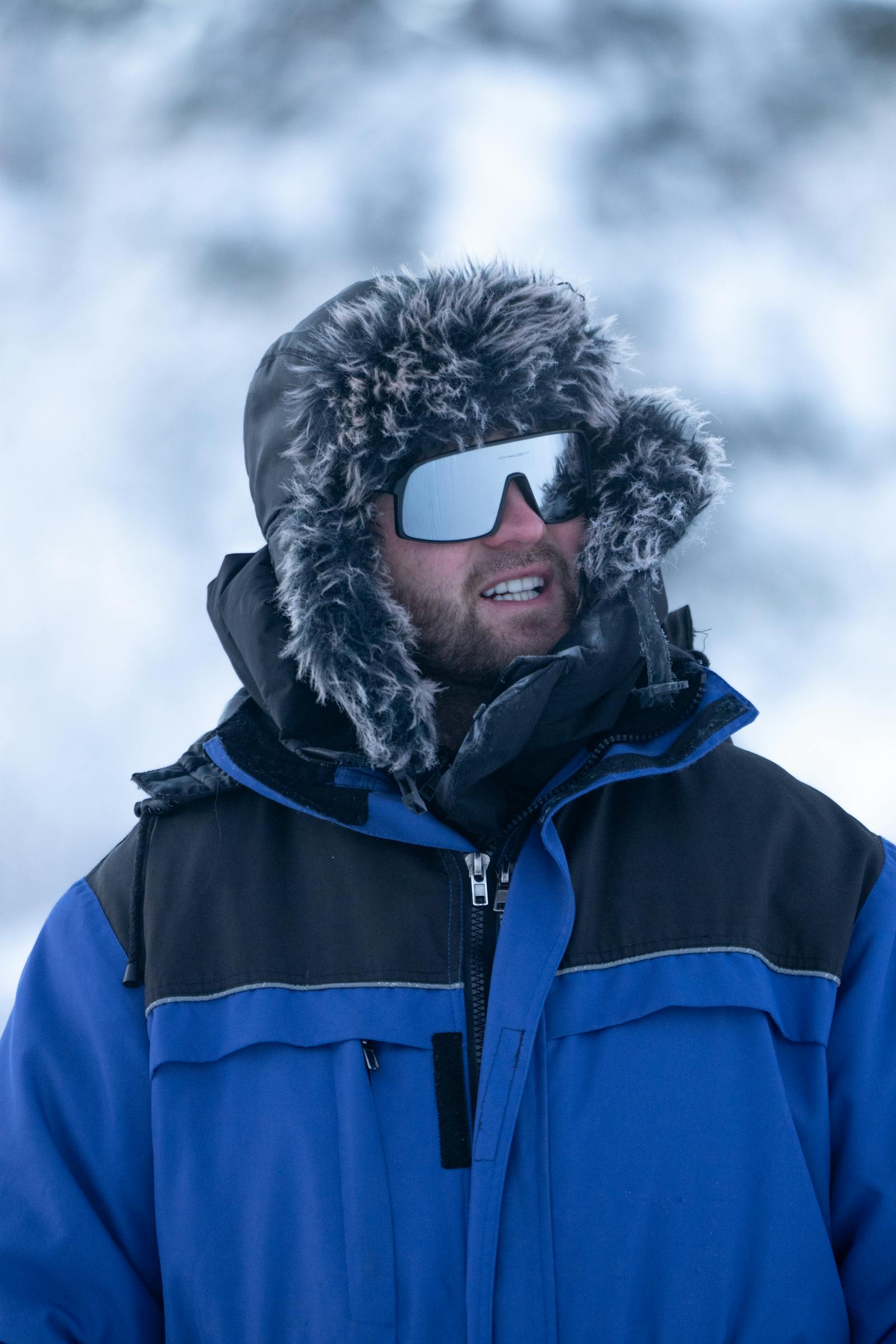
If this is your first winter in Edmonton: welcome, and… take a deep breath. It’s cold. It’s dark. But it’s also bright, sunny, and surprisingly fun once you know how to handle it.
This guide is meant to feel like a local walking you through everything: how cold it actually gets, what to wear, how to prep your car and home, what the snow-clearing rules are, and how to use Alberta’s Utilities Consumer Advocate tool so your heating bill doesn’t knock you over harder than an icy sidewalk.
1. What Edmonton Winter Really Feels Like
Edmonton has a classic Canadian winter: long, cold, and dry. Average January temperatures hover around -10°C, with typical lows closer to -15°C—and we still get stretches below -20°C. (Wikipedia)
A few key realities:
Wind chill is a big deal. A calm -10°C day is totally manageable with good layers. Add wind, and it can feel like -25°C or worse. Weather apps show this as “Feels like.” (University of Alberta)
Cold snaps come and go. You might get a mild week around 0°C, followed by a deep freeze at -30°C.
It’s cold but sunny. Edmonton is one of Canada’s sunniest cities, with over 2,200 hours of bright sunshine a year. That helps more than you’d think. (Wikipedia)
Bottom line: the cold is real, but with the right gear and habits, it’s totally liveable.

2. Dressing for Success: How to Actually Stay Warm
Locals don’t “tough it out” in thin jackets. We dress for it—and that makes all the difference.
Think in layers
Use a simple three-layer system:
Base layer (against your skin)
Materials: merino wool or synthetic.
Avoid: cotton—it stays damp and makes you cold.
Mid layer (insulation)
Fleece, wool sweater, or a light down/puffy jacket.
Outer layer (shell)
A windproof, water-resistant winter jacket or parka.
Essentials you’ll actually use
Winter parka – Look for something insulated, with a hood you’ll actually wear.
Winter boots – Insulated, waterproof, with good tread. Look for temperature ratings and grippy soles.
Socks – Wool or wool-blend. Two thin layers > one super-thick sock.
Gloves or mitts – Mittens are usually warmer than gloves. Many locals keep a backup pair in their coat or car.
Toque (beanie) – You’ll wear one almost daily.
Neck gaiter / buff / scarf – Helps with wind, especially on your face and neck.
Face protection on very cold/windy days – Balaclava, ski mask, or doubling up with a buff over your nose.
If you’re wondering if you’re overdressed, you’re probably dressed just right for your first winter.
3. Winter Tires: Non-Negotiable for Safety
In Alberta, winter tires aren’t legally mandatory on city streets—but they’re strongly recommended. (Alberta Transportation)
Here’s what matters:
What “winter-certified” means
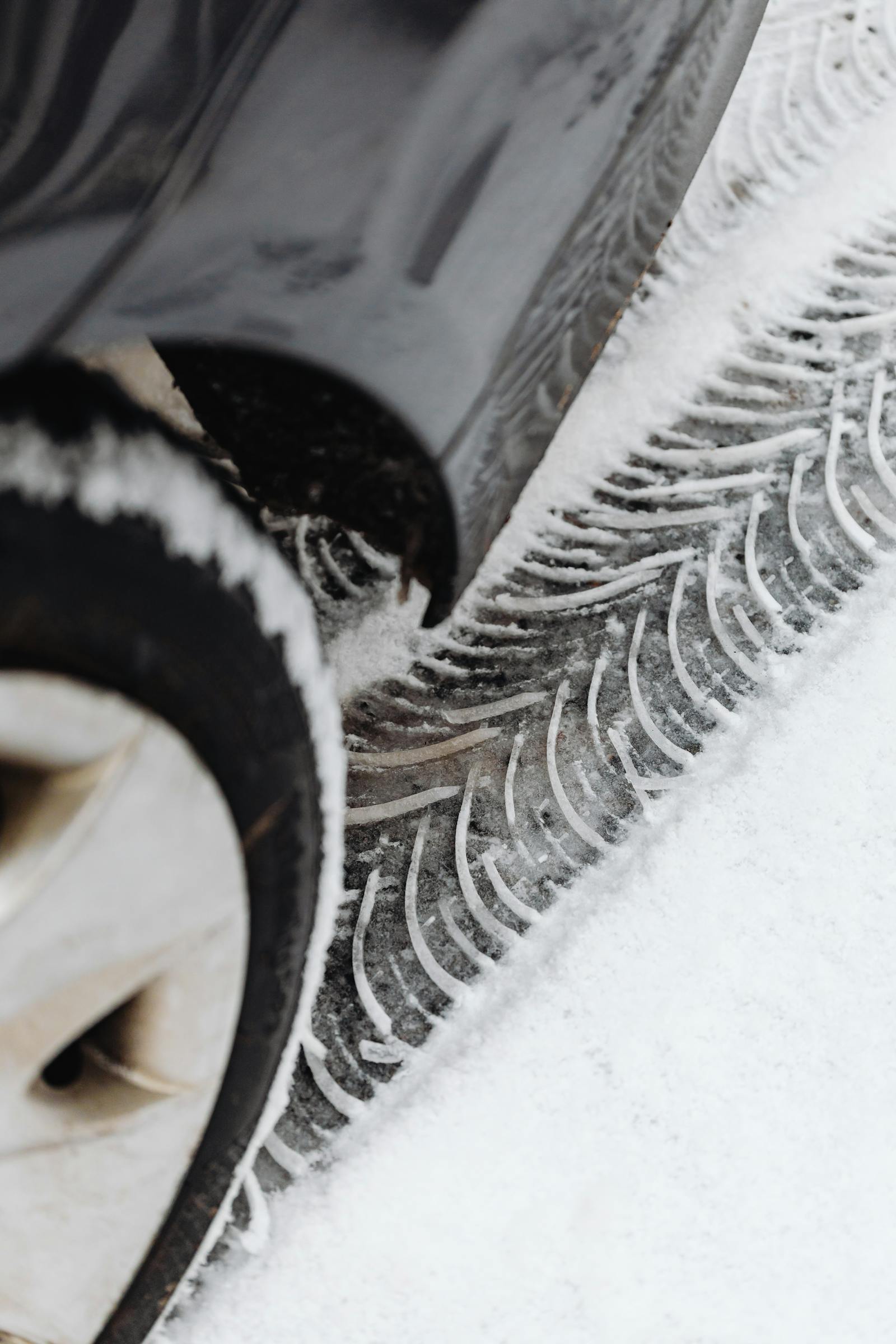
When you shop for tires, look for the three-peak mountain and snowflake symbol (3PMSF) on the sidewall. That mark means the tire meets specific snow-traction standards and is designed for severe winter conditions. (Transport Canada)
All-season tires are not enough once temperatures drop below about 7°C. Rubber hardens in the cold, you lose traction, and stopping distances get longer. Winter tires stay softer and grippier at low temps. (Transport Canada)
Install four matching winter tires, not just two—mixing them front/back can make your vehicle unstable.
Timing and other tips
Aim to switch to winter tires in late October or early November, before the first major snowfall.
Consider studded tires if you spend a lot of time on rural or icy roads—Alberta allows them. (Continental Tires)
Many insurers in Canada offer small discounts for using proper winter tires; it’s worth asking. (Continental Tires)
If you drive here regularly in winter, proper winter-rated tires are just as important as your winter coat.
4. Car Prep: Block Heaters, Batteries & Emergency Kits
Beyond tires, your vehicle needs a winter game plan.
Block heater basics
Most Alberta vehicles have a block heater—an electric element in the engine that helps it start in very cold weather.
Plug in around -15°C or colder, or earlier if your vehicle struggles (some people use -20°C as their rule of thumb).
Use a timer so it turns on 2–3 hours before you drive, instead of running all night.
Other vehicle must-dos
Battery check: Cold weather exposes weak batteries. Consider testing or replacing one that’s more than 4–5 years old.
Winter washer fluid: Make sure it’s rated for at least -40°C, and keep extra in the trunk.
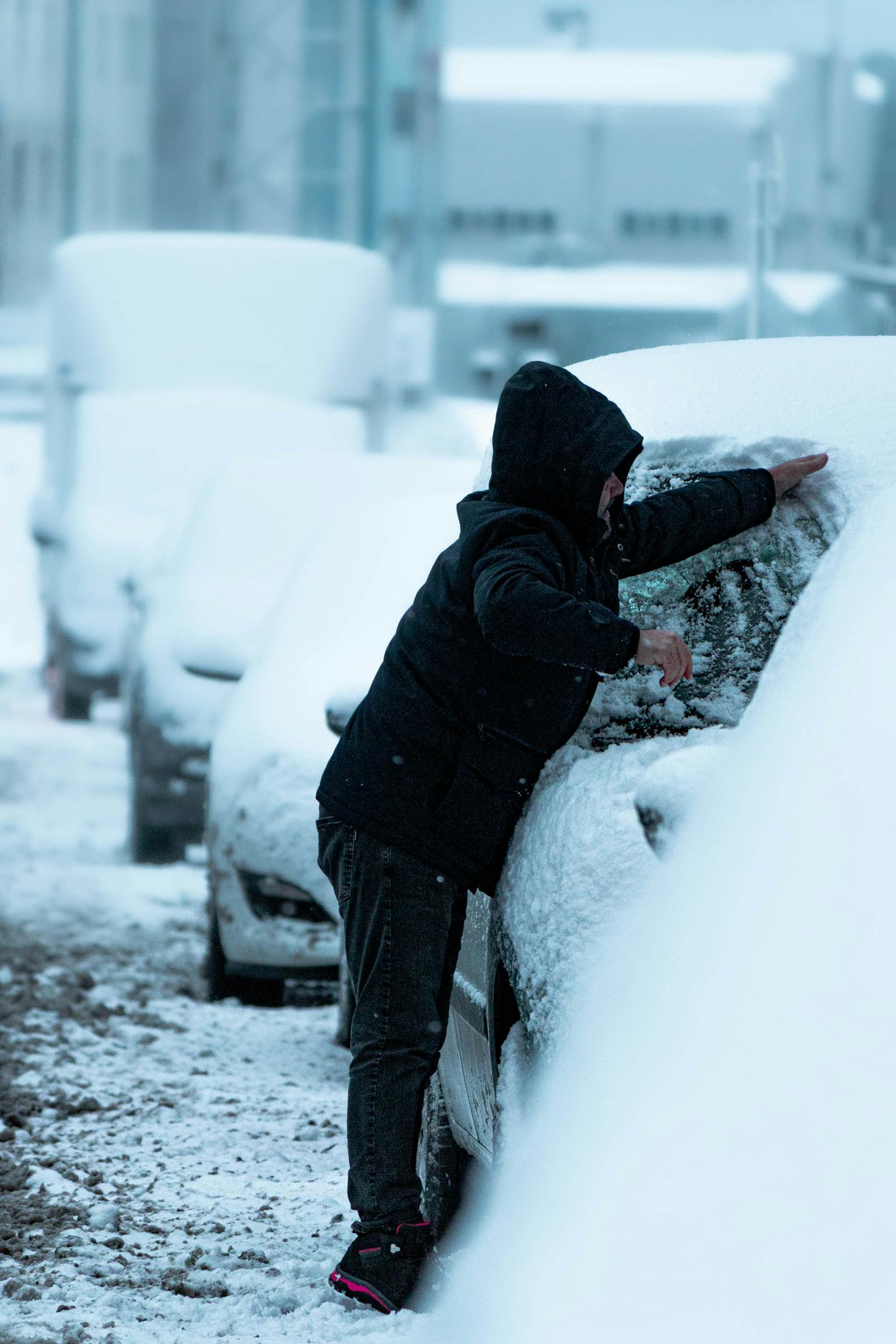
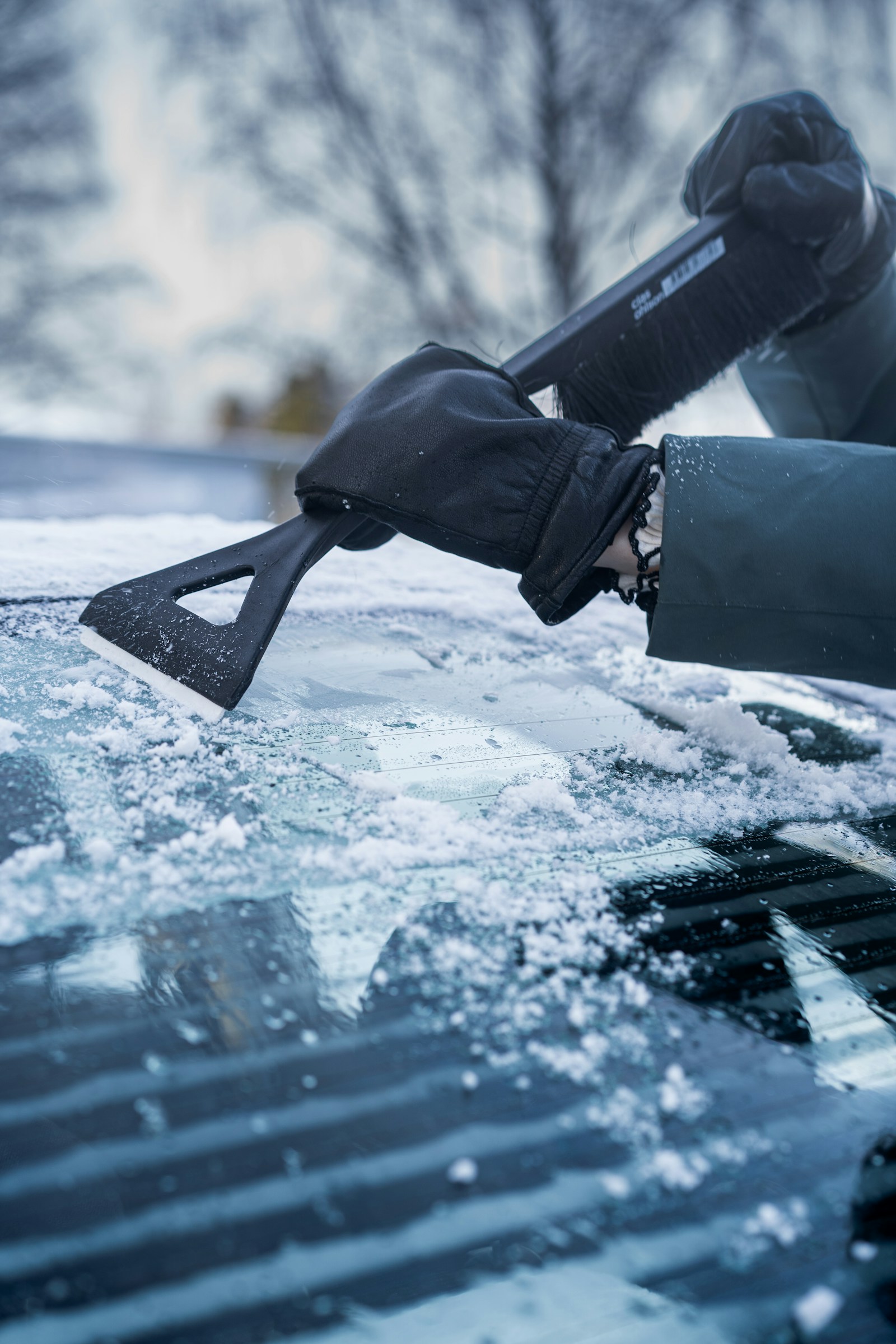
Good ice scraper and snow brush: You’re expected to clear your entire windshield, windows, mirrors, and lights—not just a peephole.
Wiper blades: Replace worn blades; winter-style blades handle ice and slush better.
Fuel level: Don’t run near-empty. Keeping the tank at least half full is safer in case of delays or emergencies.
Winter emergency kit for your car
Keep a simple kit in your trunk:
Blanket or sleeping bag
Extra mitts and toque
Booster cables
Small shovel
Sand or kitty litter (for traction)
Phone charger
Non-perishable snacks and water (water stored in plastic, allowing for expansion)
5. Getting Around: Driving, Parking Bans & Sidewalk Rules
Snow and Ice Control & parking bans
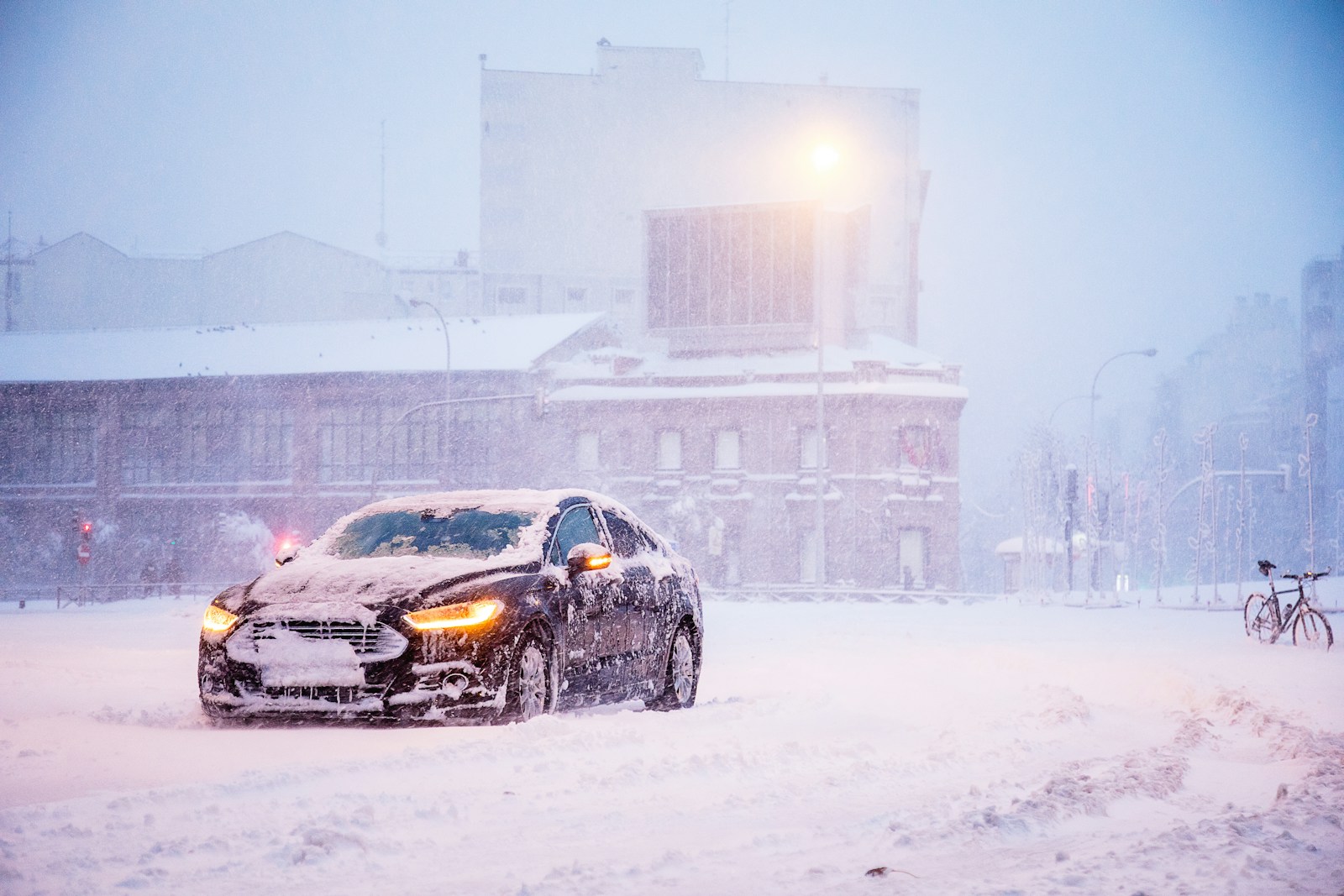
The City of Edmonton uses a priority system for clearing roads—major freeways and bus routes first, then key arterials, then residential streets. (City of Edmonton)
When conditions warrant, the City can declare seasonal parking bans:
You’ll get at least 8 hours’ notice before enforcement starts. (City of Edmonton)
During a ban, you must move your vehicle from signed routes (like bus routes and certain major roads) until they’re cleared.
The City’s Roadways Snow Clearing Map shows which routes are done, and local news/City social media push alerts. (City of Edmonton)
Ignoring a parking ban can lead to a ticket or tow, so it’s worth paying attention to those notifications.
Sidewalk snow & ice rules
As a property owner or tenant responsible for a property, you are expected to clear the public sidewalks adjacent to it:
The City requires sidewalks to be cleared “as soon as possible” down to the pavement, across the full width and length. You can use sand or ice melt as a temporary measure. (City of Edmonton)
Corner lots must clear both sides. (Yardworx)
If you don’t clear your sidewalk, you may get a notice and, eventually, a fine—and the City may clear it and bill you.
Winter driving etiquette locals follow
Slow down earlier than you think you need to. Stopping distances are much longer on packed snow or ice.
Increase your following distance.
Gentle everything: steering, braking, and accelerating.
Watch for “black ice.” Shiny, wet-looking patches when it’s below zero are often ice.
Leave room for plows and sanding trucks—they’re keeping everyone safer.
6. Home Prep: Staying Cozy and Avoiding Winter Headaches
Your home is your winter headquarters. A few proactive steps make a huge difference in comfort and cost.
Furnace & heating
Change your furnace filter every 1–3 months during heavy use. A dirty filter makes your furnace work harder and can increase your bills.
If you’re renting or unsure, ask where the filter is and what size you need.
Consider a furnace tune-up with a qualified technician before or early in winter to help with efficiency and safety.
Thermostats & humidity
A programmable or smart thermostat helps you reduce usage while you’re asleep or away, without coming home to a freezing house.
Edmonton’s winter air is very dry. A humidifier (portable or whole-home) can:
Make the air feel warmer at lower temperatures
Reduce static shocks
Help with dry skin and throat
Aim for indoor humidity around 30–40% in winter to balance comfort and reduce condensation.
Pipes, doors & windows
Check for drafts around doors and windows; use weatherstripping or draft stoppers.
On extremely cold nights, open cabinets under sinks on exterior walls and keep the heat on to reduce the risk of frozen pipes.
Don’t fully cover or block heat registers with furniture.
Snow, ice & exterior maintenance
Clear steps, walkways, and your driveway regularly, not just after a big storm. Light, frequent shovelling is much easier than tackling 20 cm at once.
Use ice melt or sand on slippery spots.
If you have a balcony, deck, or rooftop access, be careful with heavy snow loads—don’t chop ice directly on roofing materials, which can damage them.
7. Utilities 101: Using the Utilities Consumer Advocate Tool
Heating is a major winter expense, so understanding your utility options is huge.
The Utilities Consumer Advocate (UCA) is a Government of Alberta service that helps you compare electricity and natural gas rates and retailers. (UCA Helps)
Step-by-step: How to use the Cost Comparison Tool
Go to the official site
Visit the UCA website and open the Cost Comparison Tool. (UCA Helps)
Enter your location
Type in your Edmonton postal code (e.g., T6M …). The tool uses this to pull up retailers and distribution companies available in your area. (UCA Helps)
Choose your energy type
Select electricity, natural gas, or both, depending on which utility you want to compare.
Add your usage (if you know it)
You can enter your monthly kWh (electricity) or GJ (natural gas) from a past bill for more accurate estimates. If you’re new and don’t know yet, you can still see basic rate comparisons.
Filter plan types
Use the Filter options to choose:
Fixed rate vs variable (regulated) rate plans
Contract length
Other preferences (like green energy). (UCA Helps)
Compare retailers side by side
Select up to three plans and click Compare to see them beside each other with:
Energy rate (¢/kWh or $/GJ)
Admin fees
Estimated monthly cost based on your usage
Contract terms, cancellation fees, and any bonuses. (UCA Helps)
Look beyond just the rate
When comparing, pay attention to:
Energy rate (obvious cost driver)
Admin fees (those $X/month or per-GJ charges add up) (UCA Helps)
Contract length and exit fees
Whether it’s a regulated rate option (RRO) or a competitive retailer plan
If you’re overwhelmed, the UCA also offers free support and education sessions (like their “Power Hour”) to help you understand your bills and choices. (UCA Helps)

8. Daylight, Mood & Staying Sane
Winter here isn’t just about the cold—it’s also about short days. By December, sunsets are around 4:15–4:30 pm.
A few local survival tricks:
Get outside in daylight whenever you can—lunch walks, weekend park visits, even a quick stroll to the corner store.
Consider a daylight lamp / SAD lamp if you struggle with low energy or low mood.
Stay socially active: skating in the river valley, winter festivals, local coffee shops, rec centres, and community leagues help winter feel less isolating.
9. Everyday Things Newcomers Don’t Expect
Here are a few “little” details that locals take for granted:
Boot trays at every door. Snow melts and turns to puddles quickly.
Always carry backup gear. Extra mitts, a toque, maybe a spare base layer in your bag—especially if you’re out all day.
Plan extra travel time. Commutes are slower when roads are snowy or icy.
Watch metal surfaces. Playground equipment, railings, and outdoor benches can be very cold—avoid skin contact in frigid temperatures.
Mind your phone battery. Cold drains batteries quickly; keep your phone in an inside pocket close to your body.
Learn your bus routes’ winter quirks. Some stops are wind tunnels, some sidewalks are slower to be cleared. Edmonton Transit posts winter updates on the City website. (City of Edmonton)

10. Final Thoughts: You’ve Got This
Your first Edmonton winter can feel intimidating—but it doesn’t have to be miserable.
If you:
Dress in proper layers
Invest in true winter-rated tires
Prep your car and home for the cold
Know the basics of snow rules and parking bans
Use tools like the Utilities Consumer Advocate to manage your costs
…you’ll be miles ahead of where most newcomers start.
Before long, you’ll catch yourself doing something very “Edmonton”: sipping coffee in a warm cafe in the middle of a snowstorm, saying “it’s actually not that bad today.”
If you’d like to learn more about what makes Edmonton a great place year round, reach out to Mike Pabian at mike@pabianrealty.ca or call/text him at 780-232-2064.