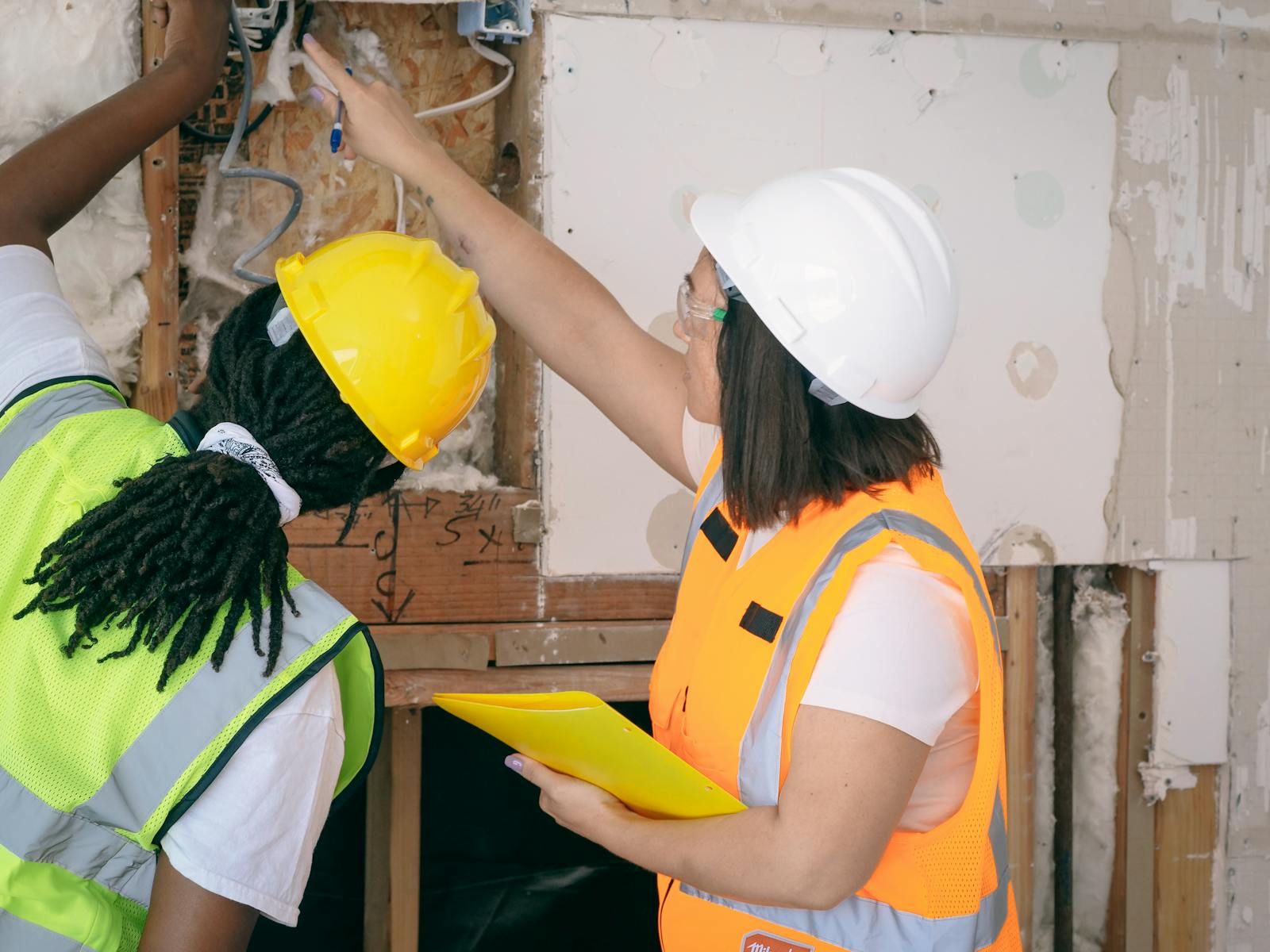
A home inspection is one of the most effective safeguards in an Alberta real estate deal. Below you’ll find a clear look at what inspectors actually examine, what falls outside scope, how to approach inspections for both resale and brand-new homes, why waiving the inspection can weaken your position, how a pre-listing inspection helps sellers price right and hold firm, what it typically costs in Alberta, how to hire the right inspector, and where your REALTOR®’s responsibilities begin and end.

What an Alberta Home Inspection Includes
Alberta requires licensed inspectors and a written contract before work begins, followed by a written, legible report. The inspection is visual and non-invasive unless the owner agrees in writing to more intrusive testing. The contract must list the items to be inspected and you initial any exclusions.
A standard scope includes the roof, flashing and chimney; exterior and lot grading; walkways, driveways, patios and decks; retaining walls; structure and visible foundation; electrical; heating, heat pumps/cooling and ventilation; insulation and attic; plumbing; interior finishes; and the attached garage or carport. Detached outbuildings are only included if the contract says so.
Inspectors must deliver the written report by the date stated in the contract. The report is confidential and—by rule—does not include repair cost estimates. Quotes should come from qualified trades you hire.
This isn’t your father’s home inspection. Inspectors now come equipped with drones, thermal cameras, non-penetrative moisture meters and a host of other high-tech tools to complete a detailed review of the systems in your home.

What’s Outside the Scope
Unless you add them to the contract, inspectors do not test for mould, asbestos, or radon, and they don’t inspect wells, septic systems, pools, or detached structures. Because the inspection is visual, they do not open walls or damage finishes without written permission from the owner.
Buyer’s Playbook
Resale homes
Use the inspection to surface condition and safety issues a showing won’t reveal—grading that sends water toward the foundation, ventilation gaps in the attic, aging mechanicals, improper electrical work, or past DIY alterations. Treat the report as a decision tool: confirm big-ticket items with specialists, negotiate repairs or credits, or step away if the risk is too high. REALTOR.ca’s myth guide underscores that an inspection isn’t “pass/fail”—it informs your choices. (Realtor)
On the day, plan for a thorough walk-through with the inspector, typically two hours or more, and expect a written report by the promised date.
Brand-new homes
New construction still sees workmanship misses. Independent inspectors often catch miswired outlets, missing sealants, ventilation or insulation gaps, and drainage details that can lead to moisture problems if ignored. Skipping a new-build inspection is a common mistake. (Realtor)
A plain-language room-by-room checklist helps you follow along during possession or a builder walk-through. Loans Canada’s national guide is a good companion reference. (Loans Canada)
Why You Should Inspect a New Build
An early, independent report helps you document deficiencies while your warranty can still be used. Alberta encourages consumers to use inspections to understand condition and get defects fixed under new-home warranty before it runs out. Ask candidates about their Alberta Building Code knowledge so findings reflect current standards.
The Cost in Alberta
Local pricing varies by size, age, complexity, and add-ons like radon or sewer scopes. Recent Edmonton benchmarks put typical inspections around $300–$550, with condos at the low end and single-family homes higher. Province-wide guides often cite about $400–$600 as a common range for standard homes. (HomeStars)
Your REALTOR®: Responsibilities and Limits
What I will do for you
Inspection condition: Draft and manage a clear inspection condition with realistic timelines, then track every deadline. AREA notes the standard purchase contract is “subject to the buyer’s satisfaction” with an inspection by a licensed inspector. (albertarealtor.ca)
Independent options: Provide several licensed inspector names and encourage you to verify licensing and scope, rather than steering you to a single choice.
Logistics: Coordinate access, confirm utilities are on, and help schedule specialist follow-ups the report recommends.
Disclosure guidance: Ensure seller clients understand Alberta’s duty to answer honestly and not hide known problems; material latent defects must be disclosed.
What I won’t do
Diagnose or promise outcomes: I won’t certify structure, HVAC, electrical, or environmental conditions—that belongs to inspectors and specialists.
Price repairs: Inspectors in Alberta cannot give cost estimates in reports, and REALTORS® should not guess. Use written quotes from trades to negotiate.

NEW: The Real Risks of Waiving the Inspection Condition
When you remove the inspection condition, you give up the right to investigate problems before you’re committed. That means:
No leverage if issues surface later. Without a report in hand, it’s far harder to justify a price reduction or request repairs. You’ve traded away the bargaining chip that most often moves sellers. Consumer and industry guidance consistently warns buyers that inspections inform negotiation and protect against surprise costs. (Realtor)
You accept defects “as is.” After closing, your recourse is limited unless the issue qualifies as a material latent defect the seller knew about and hid. Many defects won’t meet that bar. Independent legal and industry sources caution that the risk shifts squarely to you if you waive. (Deeded)
Financing and insurance can be harder. Some lenders or insurers may ask for inspections in certain situations. If you’ve waived, you may need to scramble or accept tougher terms. (Loans Canada)
Bottom line: the inspection condition is both a fact-finding period and negotiation window. Without it, you lose the most credible basis to request credits, price adjustments, or repairs.

Pre-Listing Inspections: What They Are and Why They Work
What it is
A pre-listing inspection is a full, seller-ordered inspection done before you go to market. You get the same written report buyers receive, covering the standard Alberta scope listed above. You can repair items, disclose what remains, and share the report with buyers to build confidence.
Why sellers use it
Price with precision. Knowing the condition helps you set an asking price that reflects reality—reducing future price cuts and undercutting “lowball” arguments. Trusted industry guides list pricing accuracy as a key benefit. (williamtaylor.remaxrise.com)
Fewer surprises. Fix inexpensive items up front and decide how to handle bigger ones on your terms. Deals are less likely to collapse over late discoveries. (calgary.com)
Shorter negotiations. When buyers already see professional findings and receipts for completed work, they have less room to demand steep discounts. Several Canadian brokerage resources note that advance transparency reduces re-trades and keeps momentum. (williamtaylor.remaxrise.com)
If you prefer, we can keep the report “for your eyes only” initially, then disclose strategically once we see how buyers respond.

Why a DIY Inspection Is a Risky Move
Walking the home yourself is smart due diligence—but it is not a substitute for a licensed Alberta inspection. Inspectors must meet education standards, know the Alberta Building Code, carry insurance, and follow provincial rules about contracts, scope, conflicts, and reporting. You likely won’t have the training, tools, or process to produce a report that stands up in negotiation.
A licensed inspector also knows where “small” symptoms point to bigger risks. And because their report is the recognized format in Alberta, it’s the document buyers, sellers, lenders, and insurers understand and rely on.
How to Hire the Right Inspector
Download Alberta’s official consumer guide here: Consumer Tips: Hiring a Home Inspector (Service Alberta, Oct 2022). It explains licensing, conflicts, contracts, what must be inspected, and what the report must contain.
A quick checklist
Verify licensing for the business and the individual inspector; ask to see it.
Ask about training/credentials and recent experience with the type and age of home you’re buying.
Confirm Alberta Building Code knowledge.
Screen for conflicts of interest or referral fees from anyone other than you.
Get a clear written contract listing what will—and won’t—be inspected, plus report timing.

FAQ
Are inspections mandatory in Alberta?
No. They’re not required by law, but they’re widely recommended and often included as a purchase condition. Some lenders or insurers may require one in specific situations.
Can the inspector or my REALTOR® provide repair cost estimates?
No to the inspector—Alberta rules prohibit including repair pricing in the report. Your REALTOR® shouldn’t estimate either; use written quotes from qualified trades and negotiate from there.
What’s the typical timeline?
Plan for a site visit of at least two hours and a written report by the agreed date.
Do condos need inspections?
Yes. Inspectors assess in-suite systems and visible conditions. Their report helps you decide whether to investigate building-level issues further.
Should I ever waive the inspection?
It’s rarely wise. You lose the structured time to investigate and the credibility that a report gives you in negotiation. If competition is intense, talk to your REALTOR® about other strategies—shorter condition periods, pre-offer viewings with an inspector, or a pre-listing report if you’re the seller. (Deeded)
Sources used to inform this article
Government of Alberta — Consumer Tips: Hiring a Home Inspector (Oct 2022): licensing, scope, contracts, conflicts, reporting rules.
REALTOR.ca — “6 Common Myths Debunked by a Home Inspector”: expectations and why new builds still need inspections. (Realtor)
Loans Canada — “Canada Home Inspection Checklist”: practical interior/exterior checks and occasional lender/insurer requirements. (Loans Canada)
Waiver risk: Guidance on buyer risk and reduced leverage when skipping inspections. (Deeded)
Ready to move with confidence?
Whether you’re buying or selling in Edmonton, I’ll line up Alberta-licensed inspectors, write and manage the inspection condition, coordinate access and timelines, and negotiate based on facts—not guesses. Book a quick consult with Pabian Realty and we’ll get your inspection—and your next move—done right.
