Inside Edmonton

Pabian Realty Presents

Sign up below for new weekly content on the market, the charm, and the people that make Edmonton like no other city in Canada

What’s happening in the market today?

RSS

The Ultimate Guide to Coronation Park: Architecture, Athletics, and Real Estate Value

Edmonton just had yet another glow-up. After years of anticipation, the doors are finally open at the Peter Hemingway Fitness and Leisure Centre. But this isn't just a reopening; it’s the centerpiece of a massive, $153 million transformation that has turned Coronation Park into North America’s premier indoor triathlon training hub.

As a passionate advocate for the City of Champions, we’re not just interested in where you live—we’re interested in how you live. This facility is a game-changer for West-End residents and an incredible asset for local property values.

A Meeting of Architectural Masters

Let’s start at the beginning. The magic of the new Coronation Park hub lies in the harmony between two of Edmonton’s most legendary architects: Peter Hemingway and Gene Dub.

The Hemingway Legacy

Originally built in 1967 as a Canadian Centennial project, the Peter Hemingway Leisure Centre is a masterpiece of "Prairie Modernism." Hemingway (1929–1995) believed that buildings in the North should be bold and simple to reflect the vast landscape.

Did you know? Its soaring, cable-stayed roof was so revolutionary it won the Massey Medal, Canada’s highest architectural honor. Today, it holds a Municipal Historic Designation, ensuring its "Space Age" silhouette is preserved forever.

The Gene Dub Vision

To bring the facility into the 21st century, the city partnered with Gene Dub (now 82 and still a powerhouse in the industry). Dub, the mastermind behind Edmonton City Hall, designed the new Coronation Park Sports and Recreation Centre. This 150,000-square-foot addition connects to Hemingway’s pool via a heated underground tunnel, creating a unified fitness "mega-hub."

Inside the Facility: "Shock & Awe" and More

The upgrades are as functional as they are beautiful. The rehabilitation project modernized the structural and mechanical "guts" of the original pool while adding cutting-edge new features:

  1. Edmonton’s First Public Cold Plunge: Dubbed "Shock & Awe," this sub-10°C pool is a magnet for athletes and wellness enthusiasts looking for the ultimate recovery dopamine hit.

  2. A Category A Velodrome: A 250-metre indoor Class-A cycling track that makes Edmonton a global destination for competitive track cycling. An experienced cyclist on a Class-A track can reach speeds exceeding 110 km/h - so no, you can’t just hop on and hope for the best. Not if you like your teeth and internal organs, that is.

  3. The Triple Threat: With a 50m Olympic-sized pool, a 333m indoor running track, and a velodrome all under one roof, this is the only facility of its kind in North America. But you don’t need to be an elite athlete to enjoy it - go for a soak or take in one of the many facilitated classes - regardless of your fitness level or age, the City offers something for you.

The "Amenity Effect": Boosting Your Home Value

As real estate professionals, we’re often asked: “Does a gym really make my house worth more?” The answer is a resounding YES. And I’m not just talking out of my butt here, this is backed by multiple peer-reviewed studies including those from Statistics Canada, Texas A&M University, and multiple sources closer to home.

This effect is known as the "Proximate Principle." Research by experts like Dr. John Crompton and reports from the Alberta Recreation & Parks Association (ARPA) show that residential properties within 500 metres of high-quality recreation hubs command a price premium of 5% to 20%.

Beyond the raw numbers, these projects increase "Neighborhood Liquidity." Homes in Woodcroft, Westmount, Inglewood and North Glenora now offer a lifestyle—walking to a world-class training center or a historic landmark—that simply cannot be replicated in the suburbs.

Active Listings Near Coronation Park (Jan 2026)

Ready to live steps away from the action? Here is a snapshot of the current market:

AddressNeighborhoodStylePrice
13307 116 Avenue NWWoodcroft4-Bed Bungalow (Renovated)$499,900
11720 135a Street NWWoodcroft4-Bed Single Family$345,000
10836 130 Street NWWestmount6-Bed Luxury Character Home$1,150,000
#305 13450 114 Ave NWWoodcroft2-Bed Condo$197,500

Plan Your Visit: Hours of Operation

The facility is now open to the public daily.

  • Monday – Friday: 5:30 AM – 10:30 PM (Pool: 5:30 AM – 10:00 PM)

  • Saturday: 6:00 AM – 10:00 PM (Pool: 6:00 AM – 9:00 PM)

  • Sunday: 6:30 AM – 10:00 PM (Pool: 6:30 AM – 9:00 PM)

  • Statutory Holidays: 8:00 AM – 8:00 PM

Frequently Asked Questions (FAQ)

Q: Is the cold plunge included in general admission?

A: Yes! You can access the "Shock & Awe" pool with any standard drop-in or MoveLearnPlay membership.

Q: Did Gene Dub design the Muttart Conservatory too?

A: That is a common myth! Peter Hemingway designed the Muttart Pyramids. Gene Dub is responsible for Edmonton City Hall and the new addition at Coronation Park.

Q: Where can I see more about the renovation process?

A: Full details on the structural work can be found via Alberta Major Projects.

Q: I’d like a tour of the new facility, can that be arranged?

A: Yes! Ask the staff at the main entrance for a guided tour. They’ll be happy to show you around.

Q: Where can I find even more information on this facility?

A: On the City’s website here.

I’ll be heading there myself this weekend to try it out. If you’re not sure whether it’s for you, my only advice is to go there in person and walk around. After all, you helped to pay for it, you might as well enjoy it.

Mike Pabian is a REALTOR® with REMAX Excellence and lifelong Edmontonian. He’s called Wes Edmonton home since 2009 with his wife Grace and his senior-citizen pugs Frank and Pickles. For information on your property value, the market, or if you just want to know â€śWhat’s Up With That?!”, call or text Mike at 780-232-2064.

Read

The Birth Rate Trap: Is Migration a Cure or a Crutch?

Before we get into the guts of this topic, I need to disclose that I’m a happy DINK (dual income, no kids) and I wouldn’t have it any other way. I’m fully aware that I am contributing to Canada’s low birth rate. My bad.

On the immigration file, since becoming a REALTOR® I have helped folks from 6 continents find their forever homes. Grab the peanut butter because diversity is my jam!

The fact of the matter is that we, like average Canadians from coast to coast, are simply not having enough children to support the tax base even enough to maintain existing services and infrastructure. Canada’s birth rate is 1.26. This means that, without immigration, the population of Canada would be cut in half in just 2 generations

So if you think that our country’s immigration policies are some grand conspiracy against blue collar workers, the work of some shady cabal, or a left wing scam, I’m here to tell you you’re wrong. It’s just math. In order to have a functioning health care system, social programs like the CPP and Service Canada, and infrastructure like roads, bridges, and air traffic controllers, we need people that pay taxes and contribute more to the economy than they take out. People pay taxes, and taxes fund the services we use every day, just by existing.

Regardless of what you believe and who you might think is out to “get you” today, the fact of the matter is that the Conservative Party, NDP, Liberal, Green and anyone else that forms government at any level in the next 100 years will have to solve the same problem - how do we maintain services when the population of Canada is not sustaining itself?

Where is Edmonton’s growth coming from?

First, let’s take a look at migration from other provinces.

Recently Edmonton has seen its highest net gain in inter-provincial migration in over 20 years. Here is the breakdown of the most recent data (2024–2025 cycle):

Origin LocationEstimated Annual Flow to YEGThe "Why" Behind the Number
Ontario (Mostly Toronto/GTA)~24,500+Ontario lost a net 81,246 people to other provinces in 2024/25. Edmonton is a top-three recipient of this "outflow."
British Columbia (Mostly Vancouver)~12,000+Vancouver saw its second consecutive year of net inter-provincial losses (over 4,600 people left the city for other provinces).
Intra-provincial (Calgary/Other AB)+2,924 (Net)Unlike Calgary, which lost people to other parts of Alberta, Edmonton actually saw a net gain of nearly 3,000 people from within the province.

Please note that this inflow does not account for people moving out of Edmonton. When we factor in folks leaving, the net gain for 2024-2025 is about 11 742 people from just Ontario, BC and other places within Alberta.

What about the total population growth from all sources?

Annual Breakdown of Growth for the Edmonton Metropolitan Area (July to July):

  • 2020 to 2021: +22,951 people

  • 2021 to 2022: +40,314 people

  • 2022 to 2023: +67,631 people

  • 2023 to 2024: +91,282 people (The all-time record year - so far)

  • 2024 to 2025: +50,700 people (Projected stabilization - the numbers aren’t in yet)

Total Increase (2020–2025): 272,878 new residents.

Why Edmonton? What’s so special?

If you’ve been reading my blogs, you know that Edmonton is the most affordable major city in Canada, far ahead of even Calgary, our closest (hockey-challenged) neighbour. But did you know that the average home in Calgary is now $200 000 more than the same home in Edmonton?

Residents in the Greater Toronto Area are trading in their $1.1M semi-detached homes in the GTA for detached luxury builds in Edmonton. In fact, the average home price in Toronto just hit $1.3M. For that much money, you could purchase one of many $1M luxury homes available in Edmonton and still have enough left over for a brand new Ferrari Roma. Or heck, skip the car and treat yourself to an early retirement - you’ve got equity now!

Vancouver speaks for itself with the average detached home now selling for over $2M. You either need to be rich or settle for a shoebox to live anywhere near the Vancouver metropolitan area, and it’s a dream that isn’t even worth disappointing yourself with for an entire generation of folks in BC’s capital. I’m a huge fan of the Vancouver area, but it’s just out of reach for the vast majority of people with no signs of relief coming.

In addition to home prices, Edmonton also boasts several highly regarded educational institutions including the University of Alberta, NorQuest, MacEwan University and NAIT, which cumulatively attract tens of thousands of tomorrow’s leaders, healthcare professionals, IT professionals, engineers and skilled labour. Many end up falling in love or finding gainful employment and end up choosing Edmonton as a place to start their careers and grow a family. 

We also don’t have HST, which is nice.

Moving to Alberta used to be Canada’s "best-kept secret," but if the traffic on the Henday or the line-ups at Sunday brunch are any indication, the secret is officially out.

At Pabian Realty, I’m seeing a fascinating mix of new faces from cool places these days. Some are lifelong Albertans looking for their first home, some are retirees moving from Ontario or B.C. for a breath of fresh air (and a smaller mortgage), and others are brand new to Canada, looking to plant roots in the City of Champions.

With all this growth comes a big question: Is the influx of people making it harder for everyone to find a home? We’re doing a deep dive into the policies, the data, and the myths to give you the full picture of the 2026 Alberta housing landscape.

The Policy Deep Dive: Why the sudden surge?

The growth we've seen wasn't an accident; it was the result of two different "playbooks" running at the same time:

1. The Federal "Growth & Stabilization" Plans

In 2022, the federal government launched an ambitious Immigration Levels Plan to bring in roughly 500,000 permanent residents annually. The goal was to combat Canada’s aging demographic—with nearly 9 million "Baby Boomers" hitting retirement age by 2030, the economy needed more taxpayers to support healthcare and infrastructure as mentioned in the intro of this article.

However, as housing supply struggled to keep up, the federal government pivoted in late 2024 to a Stabilization Plan. This included:

  • The Student Cap: A national limit on international study permits, which reduced new arrivals by roughly 35%

  • Target Reductions: The 2025–2027 plan actually decreased the target for permanent residents for the first time in decades, aiming for 395,000 in 2025 (down from the original 500,000 goal).

2. The Provincial Recruitment

While the federal doors were open, the Alberta government was running the "Alberta is Calling" campaign. By highlighting that our average home prices were a fraction of those in Toronto or Vancouver, they successfully convinced thousands of high-earning professionals to pack their bags and head east of the Rockies. I’d like to take this opportunity to remind the more vocal of my readers that this was not, in fact, an NDP led initiative. Like I said earlier, it’s just math, and Jason Kenney was Premier at this time.


Are citizens being priced out?

This is the "elephant in the room." When demand goes up and supply stays the same, prices rise. According to the Alberta Real Estate Association (AREA), the benchmark price for a home in Alberta has seen steady year-over-year increases, with Calgary and Edmonton leading the charge.

The Reality Check:

  • The Inter-provincial Effect: People moving from Ontario/BC often arrive with significant equity from selling expensive homes. This allowed them to bid aggressively, making "bidding wars" more common in neighborhoods that hadn't seen them in a decade.

  • The Affordability Advantage: While local prices are climbing, Alberta remains significantly more affordable than the national average. As of early 2026, the "affordability gap" is narrowing, but Alberta still offers a level of homeownership that is simply out of reach in Canada’s other major hubs.

So no, citizens aren’t being priced out. Citizens with more equity from other places are coming here and purchasing homes because we’re a great place to live. It’s supply and demand, simple as that.

Can Newcomers even buy houses? (The "Three Keys" to Eligibility)

There is a common misconception that international migration is driven by wealthy offshore investors. However, Canada’s Foreign Buyer Ban (the Prohibition on the Purchase of Residential Property by Non-Canadians Act) was recently extended through January 1, 2027.

Many people ask: Do I have to meet every requirement to buy a house? The answer is no. You only need one of these "keys" to be eligible to buy:

  • Key 1: Citizen or Permanent Resident (PR) status. If you have this, you have the same rights to buy as anyone else.

  • Key 2: A Valid Work Permit. Under the 2023 amendments, if you have 183 days or more remaining on your work permit and haven't purchased a property in Canada yet, you are eligible to buy. You do not need to be a PR yet but you do need to still meet the requirements for the CMHC including all of the same metrics that anyone else in Canada is subject to - a down payment, steady income, and a healthy debt ratio.

  • Key 3: Specific Exemptions. This applies to refugees (who are generally exempt) or international students who meet strict residency and tax-filing requirements (typically 5 years in Canada).

Pabian Pro-Tip: Most of our "new-to-Canada" clients are actually workers and families who are here to stay. They aren't "foreign investors"; they are your new coworkers and the families moving in next door. In my experience (I’ve spent over 10 years as a professional recruiter), newcomers to Canada are highly educated, work their tails off, and take roles that born-and-raised folks like myself can’t or don’t want to take on. They may also be escaping war zones, genocides, political violence and even state-sponsored massacres - not unlike the grandparents of so many born-and-raised Canadians did in WW2.

Simply put, if your worldview is coming from the YEGWave comments section, I’m not your guy.


The 2026 Outlook: A Rebalancing Act

The data suggests we are finally moving into a stabilization phase. Federal caps on temporary residents and the natural cooling of the "Alberta is Calling" rush have slowed the population growth rate from its record 4.4% peak in 2023–24.

At the same time, Alberta has seen record-high housing starts. In 2025, builders worked double-time to get more supply onto the market. For buyers, 2026 is looking like a year of "more choice." We aren't seeing a massive drop in prices - in fact, they’re still going up in Edmonton - but the frantic pace of 2023 has evolved into a more balanced market where you can actually take a breath before putting in an offer.

The Pabian Perspective: A Warm Welcome

Growth brings challenges, but it also brings vitality. More people means more small businesses, more culture, and a stronger provincial economy. When you notice new faces from different places moving into your community, be thankful - your new neighbors are here to support the economy, not take your way of life away. In fact, your way of life depends on new people coming here in large numbers. Our economy depends on it.

I believe there is room for everyone—whether you’re a fifth-generation Albertan or you just stepped off a plane at YEG yesterday. If you’re feeling overwhelmed by the economic headlines, let’s chat. We’ll look at your specific neighborhood and unique situation and help you find a place to call home.


Sources & Data:

Read

What You Need to Know About the Phase 2 Parking Ban

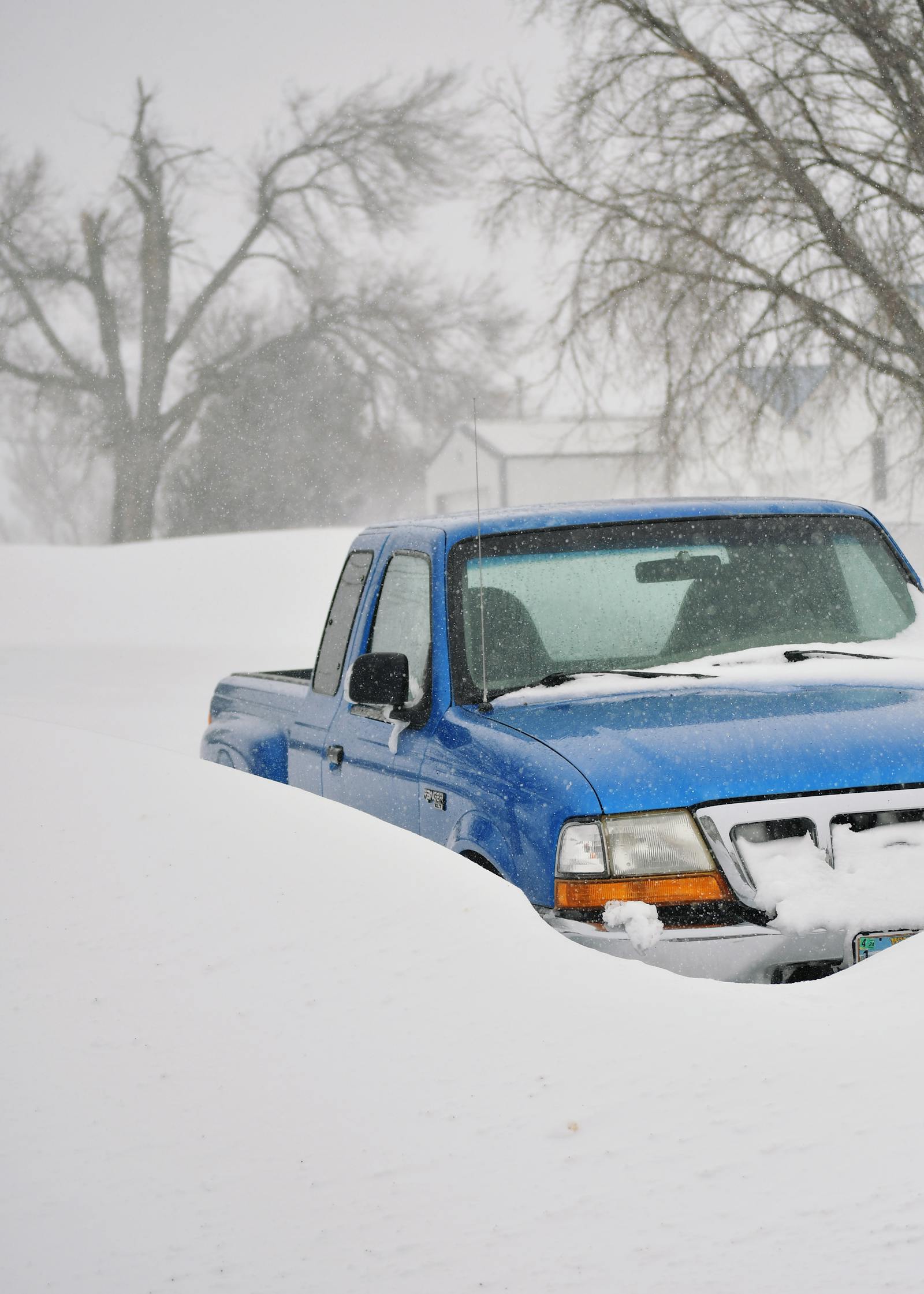
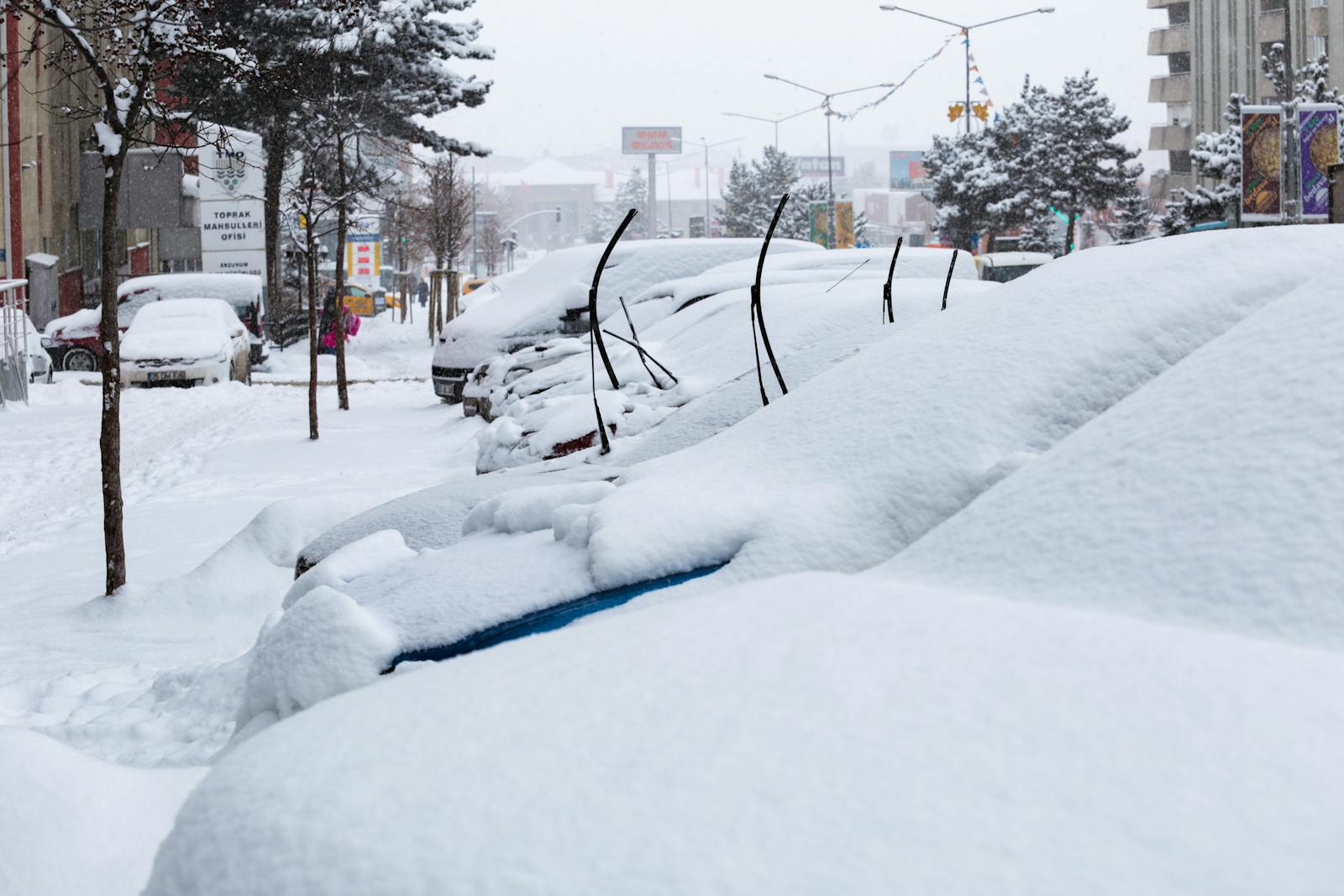
If you have spent any time recently staring out your window at a mountain of white fluff—or perhaps more accurately, trying to excavate your car from a rut—you are not alone. In fact, the city has had over 4000 snow complaints via 311 - over double what they received in all 2025. As we prepare for the City to move into a Phase 2 Parking Ban, understanding the "why" and "how" is essential for keeping our streets clear and avoiding a costly ticket - or worse. While this might be old hat for some folks, a lot of Edmontonians are enjoying their first ever winter in the City of Champions, so let’s get to it.

How We Got Here: A Record-Breaking December

It is easy to feel frustrated when residential side streets look more like the finale of American Gladiator than roadways, but context is important. Edmonton is struggling to recover from its sixth snowiest December on record. What’s worse, the bulk of this accumulation came over the Christmas break.

During the final weeks of December, while many were celebrating or taking well-earned time off, city crews were working around the clock. However, the sheer volume of continuous snowfall created a "loop" effect. In Edmonton’s snow removal hierarchy, Priority 1 routes (major arterials like Whitemud Drive and Wayne Gretzky Drive) must be cleared first for emergency access and transit. Because the snow kept falling, crews were forced to repeatedly circle back to these main arteries once they were completed, delaying the transition to residential neighborhoods.

The Shift to Phase 2: What Residents Need to Know

The City of Edmonton has officially announced that the Phase 2 Residential Parking Ban will begin on Monday, January 12, 2026. While Phase 1 focused on arterial roads, collector roads, and bus routes, Phase 2 is all about residential clearing. During Phase 2, crews will be working through neighborhoods to clear the pack down to a 5cm snow base. The last time they tried to get to bare pavement, they were flooded with complaints about the size of the windrows that were created, which impacted pedestrians, seniors and the disabled profoundly.

For this stage to be effective, the graders need the full width of the street. This means that when your neighborhood is scheduled for clearing, all vehicles must be moved off the street.

Where to Move Your Vehicle

Finding a spot for your car can be a logistical puzzle, especially in high-density areas. However, compliance is mandatory to avoid a $250 fine and the added cost of a tow. Residents are encouraged to use:

  • Personal driveways and garages

  • Rear parking pads or alleys (provided they do not block through-traffic)

  • Neighboring streets that have already been cleared and marked as "Phase 2 Complete” on the city’s website

  • Nearby arterial roads where the Phase 1 ban has already been lifted

You can track the progress of the clearing crews and see when your specific neighborhood is next on the list by visiting the City of Edmonton’s official Seasonal Parking Ban map.

Why This Matters

While the parking ban requires a bit of shuffling and patience, the end result is a safer, more navigable city. Clearer residential roads mean easier commutes for workers, safer routes for school buses, and reduced response times for emergency crews. Of note, the City has acknowledged the logistical hurdles residents face and has committed to providing more transparency regarding the clearing schedule to ensure fewer surprises for homeowners.


Frequently Asked Questions

How do I know exactly when my street will be cleared?

The City provides an automated notification system. You can sign up for email or text alerts, or use the City of Edmonton’s "Safe Travel" app to receive updates specific to your zone.

I live in a new infill development with 8 units but only 4 parking stalls. Where am I supposed to go?

This is a common challenge in modern developments following the City's Open Option Parking policy, which removed minimum parking requirements in 2020. Unfortunately, there are no special exemptions for infill residents. The City’s stance is that the responsibility for finding legal parking rests with the vehicle owner. If your on-site stalls are full, you must move your vehicle to a nearby arterial or collector road where the Phase 1 ban has already been lifted. Additionally, some EPark zones offer free overnight parking from 6 p.m. to 9 a.m., which can be a lifeline for those in high-density areas.

Can I park on the street as soon as I see the grader pass by?

No. You should wait until the street is cleared and the City has officially declared the ban lifted for your specific area.9 Sometimes crews need to make multiple passes or bring in secondary equipment to remove windrows.

What happens if I don't move my car?

Vehicles left on the street during a Phase 2 ban are subject to a $250 fine. More importantly, they may be "relocated" (towed to a nearby street that has already been cleared). The worst case scenario is that your neighbourhood might be skipped completely and moved to the â€śback of the line”, which probably means you are NOT invited to the cookout.

Are windrows going to block my driveway?

Yeah, probably - at least in the short term. The City’s policy is to maintain access by clearing a 1.5-car-width opening for driveways and corner crosswalks, usually within four hours of the initial plow. If it’s been 4 hours and they haven’t returned to clear your driveway, call 311.

Why did my neighbor's street get cleared before mine?

They have to start somewhere, and nobody gets preferential treatment. The City organizes Phase 2 by neighborhood zones. The schedule is determined by equipment availability and logistical efficiency rather than a house-by-house request system. Every road in Edmonton is rutted and terrible, and unfortunately, your situation is not unique. You can check your zone’s status on the City’s interactive map, which I’ve linked to earlier in this article.

If you’re looking for places in Edmonton that are easy to navigate year round, or you want to sell fast and find a beach, I’m happy to help. Call or text me any time at 780-232-2064 or email me at mike@pabianrealty.ca.

Read

The Long Road to Utopia: Decoding the Yellowhead Conversion and the Blatchford Delay

In this week’s Inside Edmonton, I am taking a look at the Yellowhead Trail conversion. It is almost done, which is a relief—until you realize that the decision that kicked this all off, the closure of the Municipal Airport, was made way back in 2009.

For context, in 2009, Kanye West was busy grabbing the mic from Taylor Swift at the VMAs, and Ryan Nugent-Hopkins was still a teenager playing for the Red Deer Rebels. We have essentially seen "The Nuge" grow from a rookie into a franchise legend in the time it has taken to remove the traffic lights from one of our most vital corridors. 

Which begs the question: What’s up with that? Nearly 17 years later, why isn’t Blatchford the utopia we were promised, and why are we still dodging orange pylons?

A Century of Growth: The Airport Was Here First

To understand the logistical headache of the current Yellowhead Trail Freeway Conversion, we have to acknowledge that the airport was built in 1927. For context, this was 37 years before the town of Jasper Place was even annexed to become part of the City of Edmonton.

The city grew around the airport, not the other way around. This meant that for decades, the Yellowhead Trail had to function as an arterial road that also accommodated airport logistics. Changing that footprint now leaves "ripples" throughout the landscape. We aren't just paving a road; we are surgically removing a century’s worth of industrial and aviation infrastructure from a scarred landscape that was once just a big empty field.

To visualize this â€śripple effect” just think - none of the roads near the airport are straight. This is by design, as straight roads might be confused for runways at night. Toss in the rail yard just north of the Yellowhead - which was built by Grand Trunk in 1909, 5 years before the Great War - and you can begin to see just what a complex and daunting project the Yellowhead conversion actually is.

The Toxic Reality of Sustainable Development

If you have ever refueled your car, you know that leaks happen. Now, multiply that by the volume of fuel a plane requires, times multiple planes per hour, for nearly 90 years.

The land at the former City Centre Airport was environmentally compromised. Before a neighborhood with drainage ponds, playgrounds, and parks could be built, thousands of cubic tons of soil needed to be cleaned. You cannot build an "urban utopia" on top of aviation fuel. This remediation process is one of the single biggest reasons for the delays in Blatchford’s residential rollout.

A 30,000-Resident Ambition

The original vision for Blatchford was massive. The City still projects that at full build-out, the community would house up to 30,000 residents across approximately 12,000 residential units. To achieve this, the plan avoids traditional single-family homes with front-drive garages, opting instead for high-density, street-oriented townhomes and apartments.

While the initial 2014 business case anticipated 500 units being built annually, reality has been much slower. However, as we enter 2026, over 57% of the developable land is now in some stage of construction or planning, and the "utopia" is finally beginning to scale. This sounds great, right? 57% done? Not even close.

As of July 2025, only 300 homes have been built - that’s 2.5% of 12 000. The current estimate is that this project will be complete by 2042.

The "Keystone" Projects: 121st and 127th Streets

As of early 2026, the project is finally prepared to land. The major interchanges at 121 Street and 127 Street are the primary focus now, and the City is still targeting 2027 for full completion. These are the "keystone" projects that will finally allow for three lanes of free-flowing traffic in each direction, fundamentally changing the commute for everyone in North and Central Edmonton.

What’s Next: The 66th Street Transformation

If you frequent the northeast side of the city, you’ve likely wondered about the bottleneck at 66th Street. The 66th Street Intersection Removal is officially the "final signalized intersection" on the list.

The plan here is a sophisticated Partial Interchange and Flyover. According to current project timelines, the signal will be removed in early 2027. Here is what that looks like:

  • The 66th Street Flyover: A bridge will allow 66th Street to cross over the Yellowhead, maintaining north-south flow for residents in Montrose and Delwood.

  • Access Points: New ramps will provide access to the Yellowhead eastbound, while westbound traffic will be diverted via new collector roads at 61st Street and 125th Avenue.

  • Access Closures: Nearby direct access points at 62, 67, and 68 Streets will be permanently closed to maintain freeway speeds.

Check out this visualization of what it will look like.

Frequently Asked Questions

How many homes were initially planned for Blatchford? The original master plan called for 12,000 residences to house 30,000 people. While the timeline for full completion has shifted toward 2042, the density targets remain unchanged.

What is the status of affordable housing in Blatchford? The City’s target is for 16% to 20% of units to be affordable. As of 2026, the community's first purpose-built rental project, "Pilot," is leasing, and the first dedicated affordable housing development is currently in the planning and development stage.

Why is my neighborhood utility rate different in Blatchford? Blatchford operates on a District Energy Sharing System (DESS). For 2026, the City has frozen utility rates at 2025 levels for townhouse and multi-unit lots to help the community stay competitive as it continues to grow.

When will the traffic lights at 121 Street and 127 Street be gone? Construction is ongoing, but the removal of these signalized intersections is the core goal of the 2026-2027 work season. This stretch alone accounts for more than half of the conversion’s $1 billion budget.

Why is 66th Street getting a flyover instead of a full interchange? Due to the proximity of the CN Rail lines and the Wayne Gretzky Drive interchange, there simply isn't enough physical space for a full cloverleaf. The flyover design balances safety with the need for residents to cross the freeway without stopping traffic.

Thanks for making it this far. This project is a marathon, not a sprint, but the "Utopia" is finally taking shape. If there is a local topic you would like me to cover, or if you want to know how this construction affects the value of your specific home, text me at 780-232-2064 or email mike@pabianrealty.ca.

Read
Data last updated on January 31, 2026 at 03:30 PM (UTC).
Copyright 2026 by the REALTORS® Association of Edmonton. All Rights Reserved.
Data is deemed reliable but is not guaranteed accurate by the REALTORS® Association of Edmonton.
The trademarks REALTOR®, REALTORS® and the REALTOR® logo are controlled by The Canadian Real Estate Association (CREA) and identify real estate professionals who are members of CREA. The trademarks MLS®, Multiple Listing Service® and the associated logos are owned by CREA and identify the quality of services provided by real estate professionals who are members of CREA.