Inside Edmonton

Pabian Realty Presents

Sign up below for new weekly content on the market, the charm, and the people that make Edmonton like no other city in Canada

What’s happening in the market today?

RSS

6 Myths About Realtors Debunked

If you spend ten minutes on Reddit, you’ll likely see it: the "realtors are useless" thread. The narrative usually goes something like this: "They just open doors, push some papers around, and collect a massive check for doing nothing I couldn't do myself on Google."

I understand it, even if it does drive me insane. In an era where information is everywhere, it’s easy to feel like the middleman is obsolete. But as someone who lives and breathes the Edmonton market at Pabian Realty, I see the "behind the scenes" that doesn't make it into the TikTok rants.

The truth is, a qualified Realtor isn't just a facilitator; they are your financial shield, your marketing agency, and your risk manager—often entirely on their own dime. Let’s break down exactly what you’re paying for (and what we’re risking) when we work together.

1. The 100% Risk Model: We Don't Get Paid Until You Win

In almost every other professional industry—law, accounting, consulting—you pay for the expert's time. If a lawyer spends 20 hours on your case and loses, you still get a bill.

Real estate is one of the few industries where the professional takes 100% of the financial risk. We spend weeks, sometimes months, touring homes, analyzing market data, and negotiating contracts. If that deal doesn't close, or if you decide not to sell, my bill is $0. I don't just "push papers"; I invest my time and resources into your future, and I only see a return if I successfully deliver the result you want. Any other business based on consultation would bill you for the time, often by the hour - and while I do have contingencies that I’ve used to bill folks for things like market data and analysis that isn’t available to the public, this is the exception and never the rule. In fact, in the past 2 years I’ve only billed for my time on a handful of occasions.

2. We Front the Marketing Bill (So You Don't Have To)

When you list a home with a full-service Realtor, you aren't just getting a sign in the yard. You are getting a localized marketing blitz. To get you top market value, I front the costs for:

  • Professional HDR Photography & Video including drones: $500-700+

  • Mandatory RMS Measurements: $150~ In Alberta, accuracy is a legal requirement. I hire pros to ensure you aren't sued later for square footage discrepancies (selling a home as 1200sq ft and getting sued later when it’s discovered the home is actually much smaller)

  • 3D Virtual Tours (iGuide): Essential for attracting out-of-province buyers and investors

  • Targeted Digital Ads: $200~ Reaching thousands of potential buyers on social media

  • Sign Rental: $300 per sandwich board, $100 for sign installation, $150 per lockbox, $150 per hanging sign plus add-ons

  • Print Media: $100 I’m one of the few Realtors that talks to neighbors and invites them out to view the home that just went up a few doors down

If I spend $1,500 to $2,000 marketing your home and it doesn't sell? That’s my loss, not yours. Even if it does sell, I don’t recover these costs until the new buyer takes possession.
3. The "Builder Representative" Misconception

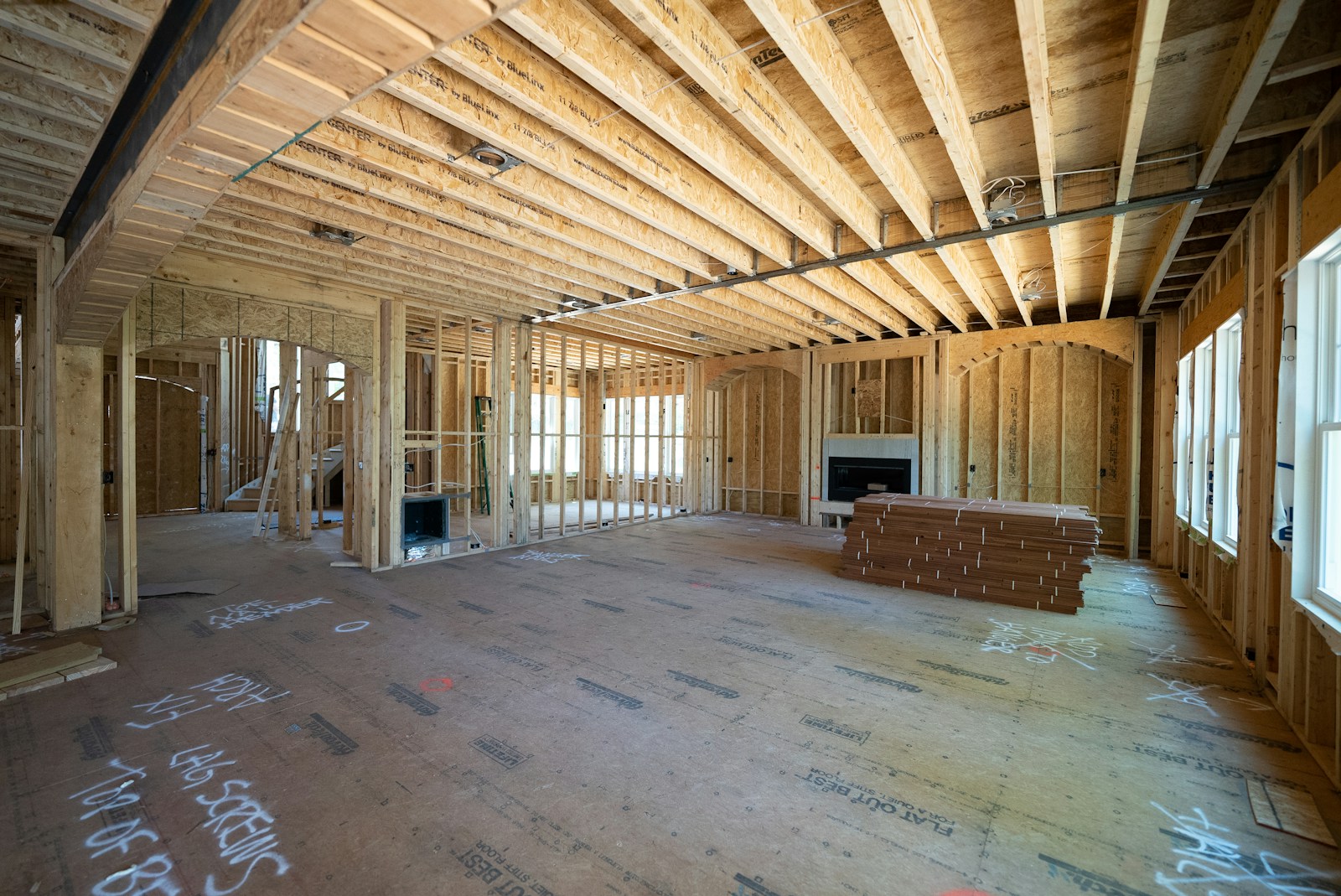
One of the most expensive mistakes I see is buyers walking into a new-build show home alone. People think, "If I don't use a Realtor, the builder will give me a better deal."

Wrong. Builders have marketing budgets that already include Realtor commissions. If you don't bring your own representation, the builder simply keeps that money, and you are left negotiating with a salesperson whose sole job is to protect the builder’s bottom line and maximize their profits. I’ll repeat this, because it’s important - the commissions are paid out of the home builder’s marketing budget. That means that they’ve already priced my fee into the cost of their home. I’m also legally required to advocate for the buyer’s best interests. I work with builders on a regular basis and can tell you which builders are outstanding and which ones leave much to be desired. Top agents also enjoy VIP incentives for their clients. This means that if you want specific upgrades or things included in the deal, chances are good I have someone I can talk to that can make it happen.

How a Realtor saves you tens of thousands with a builder:

  • Negotiating "Flex Cash": I can often secure $10,000–$20,000 in "flex cash" or credits that can be used for mortgage rate buydowns (saving you a fortune over 25 years), basement finishing, or premium appliance bundles.

  • Landscaping & Fencing: Builders often leave these out. Negotiating a $15,000 landscaping package into the build price can save you from a massive out-of-pocket expense the moment you move in.

  • Lot Selection Strategy: I look at the municipal development plans. That "quiet cul-de-sac" might be slated for a major transit corridor or a commercial strip in two years. I've saved clients from buying "premium" lots that would lose half their value due to future noise and traffic, not to mention zoning changes and potential infill developments.

4. "But You Don't Need Any Training..."

This is a classic Reddit trope. In reality, the Real Estate Council of Alberta (RECA) and the Alberta Real Estate Association (AREA) have some of the strictest standards in the country.

To maintain a license in 2026, Realtors must complete mandatory professional development. For example, the current mandatory course, "Getting it Right: Consumer Contracts Made Clear," is a deep-dive into the legal intricacies of the very documents that protect your equity. We aren't just "filling in blanks"; we are trained to interpret complex clauses that, if handled incorrectly, could lead to a lawsuit or a forfeited deposit.

In addition to this, my brokerage REMAX Excellence is the top performing REMAX brokerage in Canada. We have the highest sales volume for residential agents, and we also have over 240 agents in our office alone. That means that I have a team of the nation’s highest performers at my fingertips. If things get weird, as they so often do, I’ve got people with direct real-world experience that have been there, done that. Experience matters.

Further to this, I’ve recently earned my Real Estate Negotiation Expert designation and have successfully completed elective courses on Comparative Market Analysis and Social Media Marketing. The learning never stops, and it absolutely can make a difference to the tune of thousands.

5. Preventing the "Nightmare" Purchase

For buyers, a Realtor’s value is often measured by what doesn't happen. A "pretty" house can hide ugly secrets. Part of my job is to protect you from:

  • Material Latent Defects: Is there a history of mold or foundation issues? Was it a former grow-op? These details can tank your property value and your health.

  • The "Paperwork" Trap: A real estate contract in Alberta is a legally binding document. One missed "subject to" clause or a misunderstood "encumbrance" on the title could cost you tens of thousands in legal fees. Even something as simple as a missed deadline to a waiver or amendment can cost you the deal.

A Realtor’s job is to see the things you’re too excited to notice, and solve issues before you even become aware that something isn’t right.

6. The Math of the Deal

Let's talk about the commission. People see the total number and wince, but they rarely see the breakdown. In a typical Edmonton transaction, the commission is often calculated on a tiered basis, like this:

Total Commission = (7% x 100,000) + (3% x Remaining Balance)

From that total, the listing agent pays the buyer’s agent, the brokerage takes a cut, the government takes GST if it’s applicable (usually it isn’t), and the rest covers the marketing, insurance, licensing, and professional dues mentioned above. By the time it reaches the agent's pocket, it’s a far cry from "easy money."

Why Expertise Matters

At the end of the day, you aren't paying a Realtor to "find" a house—you can do that on your phone. You are paying for consultative expertise.

Whether it’s navigating the competitive Edmonton market or ensuring your builder isn't taking advantage of your lack of representation, the value of a pro is in the peace of mind. You can certainly try to navigate the largest financial transaction of your life alone. But in a world of hidden risks and complex legalities, having a relentless advocate in your corner isn't just a luxury—it’s the smartest investment you can make. Besides, I work 40+ hours per week, every week. When you’re at your kid’s soccer practice or running a team at your office, I’m out here busting my butt to get you the best deal at the right time.

Ready to see the difference a dedicated expert makes? Whether you're buying or selling, let’s chat about how I can protect your interests.

Contact Pabian Realty Today

Sources:

Read

Big Changes Are Coming to Windermere - What You Should Know

As of May 2026, the neighborhood is shedding its "suburban outpost" reputation and evolving into a fully integrated, high-connectivity hub. If you’ve been watching from the sidelines, here is why the current "construction phase" is actually the strongest buy signal we’ve seen in a decade.

The "Infrastructure Pop": Terwillegar Drive Stage 3

We are officially at the starting line of the final, most impactful phase of the Terwillegar Drive Expansion. While Stages 1 and 2 smoothed out the northern stretches, Stage 3 (kicking off this month) is the one that directly unlocks Windermere’s long-term value. If you live in Southwest Edmonton, you’ve likely been stuck in traffic near Anthony Henday Drive and Terwillegar Drive lately. Which begs the question…

What’s actually happening?

According to the City of Edmonton’s May 2026 Construction Bulletin, this phase includes:

  • A Brand New Northbound Bridge: A dedicated structure for northbound traffic over the Anthony Henday is now under construction. Once finished in 2028, the existing bridge will be repurposed for southbound-only traffic, effectively doubling the capacity into and out of the neighborhood.

  • The Pedestrian Game-Changer: For the first time, a dedicated pedestrian and cyclist bridge will span the Anthony Henday. This will connect Windermere Boulevard directly to the established trails of Haddow and the wider River Valley system, making the community truly "active."

  • Widening to 170th Street: The expansion includes adding dedicated transit lanes and widening 170 Street to south of Windermere Boulevard, ensuring that "rush hour" becomes a thing of the past.

Investment Logic: Historically, property values in "bottleneck" neighborhoods jump the moment the bottleneck is cleared. By the time the ribbons are cut in 2028, the current "construction discount" will likely have vanished and property values are likely to shoot up.

More Than a Mall: The Windermere District Park

For years, the critique of Windermere was that it was "all shopping and no soul." That narrative is officially changing.

The Windermere District Park Project has moved from the drawing board into active site preparation. Located at 170 Street SW and Rabbit Hill Road, this isn’t just a neighborhood park—it’s a massive regional amenity.

  • Recreation Hub: The site is now cleared (tree removals were completed in early 2026) and will soon feature sports fields, multi-use pathways, and open green spaces that act as a "backyard" for the entire Southwest.

  • Lifestyle Connectivity: The park will serve as the "green lungs" of the community, finally balancing the high-end retail of The Currents with the outdoor lifestyle Edmontonians crave.

The Education Anchor: New High School Funding

One of the biggest drivers of real estate value is school proximity. In the 2026 Provincial Budget, the Alberta government officially announced planning funding for a new high school in the Glenridding Heights/Windermere area.

This school will be a cornerstone of the Windermere District Park site, providing much-needed capacity for the growing population of Southwest Edmonton. For families, this means their children can stay within the community from K-12, a factor that traditionally keeps resale values high and days-on-market low.

Windermere Market Snapshot (May 2026)

The market remains resilient despite higher inventory levels across the city. While the Greater Edmonton average home price sits at roughly $478,902, Windermere continues to command a premium due to its architectural standards and amenities.

MetricWindermere Stats (May 2026)Market Context
Average Detached Price$858,138+0.6% Month-over-Month
Median Condo/Townhome$361,500Highly competitive for first-time buyers
Avg. Days on Market18 DaysOutperforming the city average
Top Search Term"Windermere homes with garden suites"Reflecting a move toward multi-generational living

Frequently Asked Questions (FAQ)

How long will the Stage 3 construction last?

Major construction for Stage 3 began in May 2026 and is expected to take approximately two years, with substantial completion targeted for late 2027 or early 2028.

Are there still affordable options in the area?

While the estate homes on Windermere Drive can exceed $2M, the areas of Ambleside and Windermere South offer modern townhomes and duplexes starting in the mid-$300s to $400s, making the neighborhood accessible to more than just the luxury tier.

What happened to the "Windermere bottleneck"?

The completion of Stage 1 and 2 has already significantly improved flow. Stage 3 is the final piece of the puzzle that removes the merging conflicts at the Anthony Henday interchange - it’s a hot mess now, but it will be worth it once the work is completed.

Ready to Find Your Windermere Home?

The best time to buy was five years ago; the second best time is today—before the pylons disappear and the prices take flight. Whether you are looking for a luxury estate or a strategic investment property, Windermere is the neighborhood to watch in 2026.

To check out properties in Windermere or anywhere else in Edmonton, set up your search today or text Mike at 780-232-2064.

Read

The 87th Avenue Transformation: A Homeowner’s Guide to the Valley Line West Real Estate Surge

If you’ve driven through West Edmonton recently, you’ve likely noticed that 87th Avenue looks more like a grand engineering experiment than a commuter road. As of May 2026, we are in the "thick" of the Valley Line West (VLW) construction. The pylons are everywhere, the detours are frustrating, and the dust is real.

But for homeowners and savvy investors at pabianrealty.ca, those concrete guideways represent something far more significant than a traffic jam: they are the physical manifestation of long-term equity growth.

Let’s dig deep into why the 87th Avenue corridor is currently the most interesting real estate play in Edmonton.

1. The Project Review: Why This Isn't Your "Old" LRT

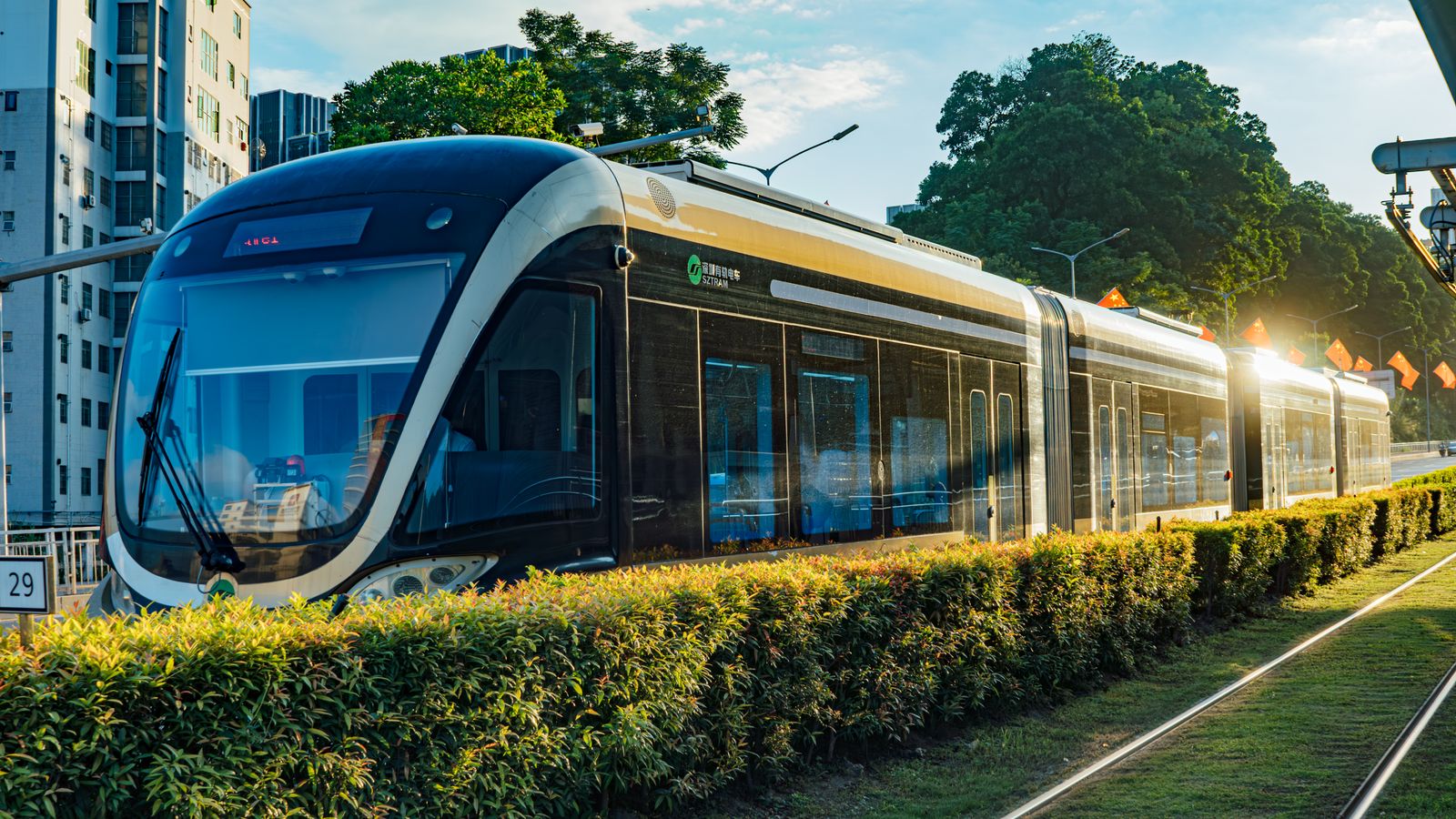
To understand the value impact, we first have to understand the technology. Unlike the high-floor Capital and Metro lines that utilize massive concrete barriers and gated crossings, the Valley Line is an "Urban Style" Low-Floor LRT.

Why "Urban Style" Changes the Real Estate Game

  • Integration, Not Segregation: The tracks are flush with the street. There are no massive pedestrian overpasses or "forbidden zones" fenced off from the neighborhood.

  • Pedestrian-First Design: The project includes the total overhaul of 87th Avenue’s sidewalks and bike lanes. We aren’t just getting a train; we are getting a revitalized streetscape that makes the West End more walkable than it has been in 50 years.

  • The 87th Ave Hubs: 2026 is a massive year for the Misericordia Station and the West Edmonton Mall (WEM) Station. These aren't just stops; they are "Transit-Oriented Development" (TOD) anchors that will draw high-density residential and commercial interest for decades.

2. The Proximate Principle: The "Golden 800 Metres"

In urban economics, the Proximate Principle is the observed increase in land value as you get closer to a significant public amenity. For the Valley Line West, this isn't a simple "the closer, the better" equation—it’s a curve.

The Impact Zones

  • The 400-Metre "Density Zone": Properties within a 5-minute walk of the 87th Ave stations (like those in Meadowlark Park or Thorncliff) are seeing the most aggressive rezoning potential. Under Edmonton’s 2026 zoning bylaws, these lots are "gold mines" for developers looking to build row housing or mid-rise apartments.

  • The 800-Metre "Sweet Spot": This is where the highest residential resale premium usually sits. It’s a 10-minute walk. Residents here get all the benefits of the LRT (access to downtown in 20 minutes) without the immediate noise or high-density foot traffic of the station platform itself.

  • The Distance Decay: Beyond 1.2 km, the direct "LRT premium" begins to fade, though these homes still benefit from the overall lift in West Edmonton’s desirability.

Expert Insight: Data from similar projects in North America suggests that homes within the "Sweet Spot" can command a price premium of 10% to 15% over identical homes located further from the line once the project is operational.

3. Anchors of Value: The Misericordia & WEM

Real estate values don't exist in a vacuum; they rely on employment and entertainment.

The Misericordia Hospital Effect

With the ongoing expansion of the Misericordia, the 87th Ave LRT station becomes a vital link for thousands of healthcare professionals. We are already seeing a trend of "medical rentals" in Jasper Park and Westridge—properties specifically purchased to house staff who want a 5-minute commute via the train.

The WEM Evolution

West Edmonton Mall remains the city's largest employment hub. The elevated station at WEM is arguably the most complex piece of infrastructure in the project. Once completed, it transforms WEM from a "driving destination" into a "transit-connected village," drastically increasing the value of surrounding condos in Aldergrove and Belmead.

4. The "Three-Wave" Value Cycle: Where are we now?

Market appreciation on transit projects usually happens in three distinct bursts:

  1. The Announcement Peak (2020-2021): Speculators buy in, and prices jump on "hype."

  2. The Construction Slump/Stability (2024-2026): THIS IS NOW. Construction fatigue sets in. Local buyers get frustrated by the traffic, and some "patience-tested" owners sell. This is often the best time to buy because the "hassle factor" keeps prices from exploding too early.

  3. The Operational Surge (2028+): The day the first passenger boards, the value "locks in." The convenience becomes a reality, and the "Construction Discount" disappears overnight.

5. Frequently Asked Questions (FAQ)

Q: Will the LRT noise decrease my property value?

A: Modern low-floor LRTs are significantly quieter than the old high-floor trains. Furthermore, the 87th Ave corridor is already a high-traffic area. The trade-off—losing some traffic noise for a quiet electric train—usually results in a net positive for property values.

Q: Should I sell my house now or wait until 2028?

A: If you can wait, wait. Selling during a "construction zone" phase is challenging because "curb appeal" is at an all-time low. Once the 87th Ave paving and landscaping are completed in late 2026/early 2027, your property will look and feel much more valuable.

Q: How does the new 2026 Zoning (RS Zone) affect my LRT-adjacent home?

A: The City of Edmonton has moved toward "Small Scale Residential" zoning which allows for more doors on a single lot. If you are near the 87th Ave line, your land is now much more valuable to a builder than it was three years ago, even if the house itself is older.

The Verdict: Don't Let the Pylons Fool You

The construction on 87th Avenue is temporary; the infrastructure is permanent. As we move through the final major stages of the Valley Line West in 2026, the opportunity for West Edmonton homeowners to build significant equity is peaking.

Are you curious how much the "Proximate Principle" has added to your home's value this year?

At Pabian Realty, we specialize in West Edmonton's shifting landscape. We don't just look at the house; we look at the tracks, the zoning, and the future of your neighborhood.

Get Your Free, No-Obligation Property Valuation Here

Reliable Sources for Further Reading:

Read

Staging Your Home: The Secret to Faster Sales and Higher Returns

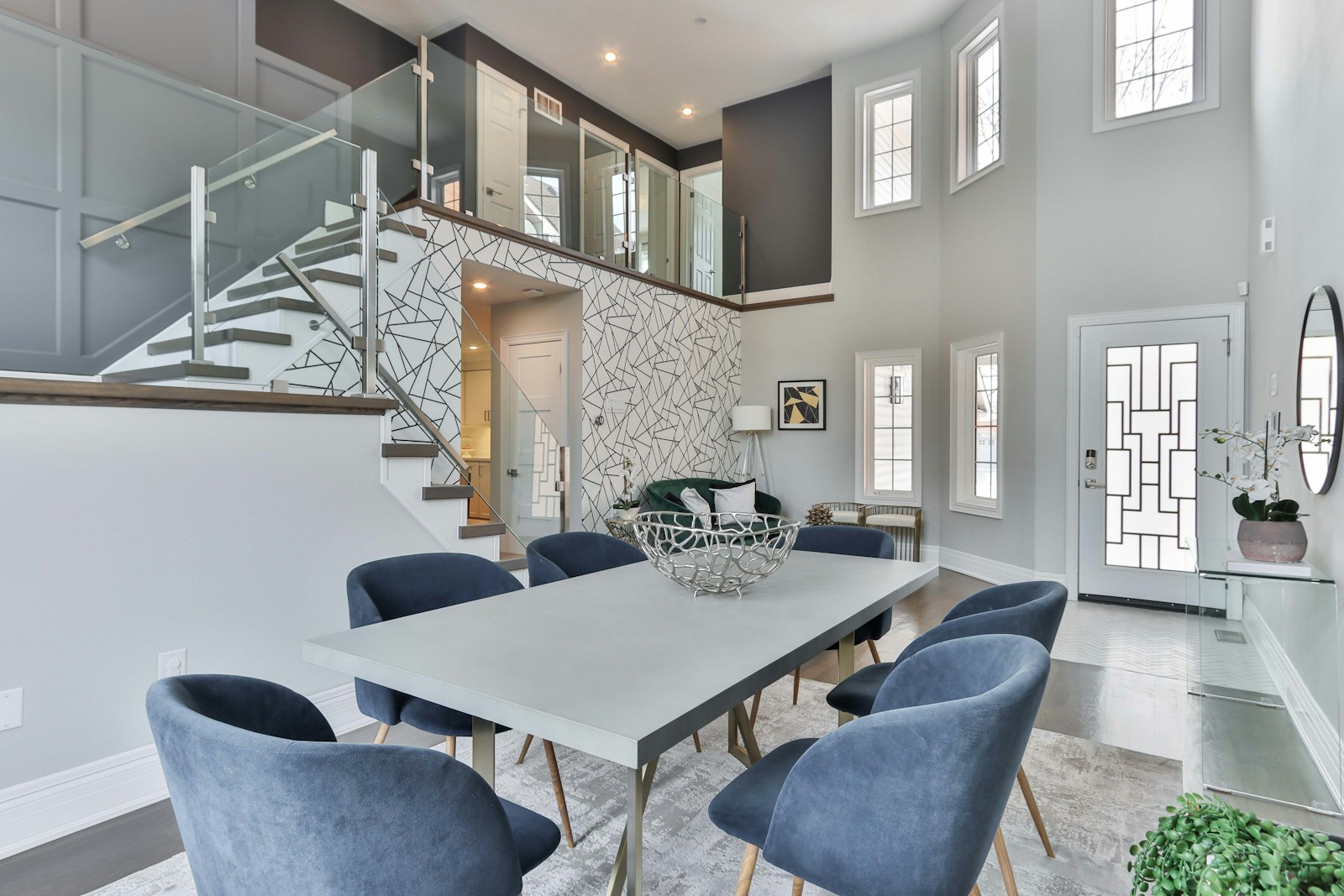
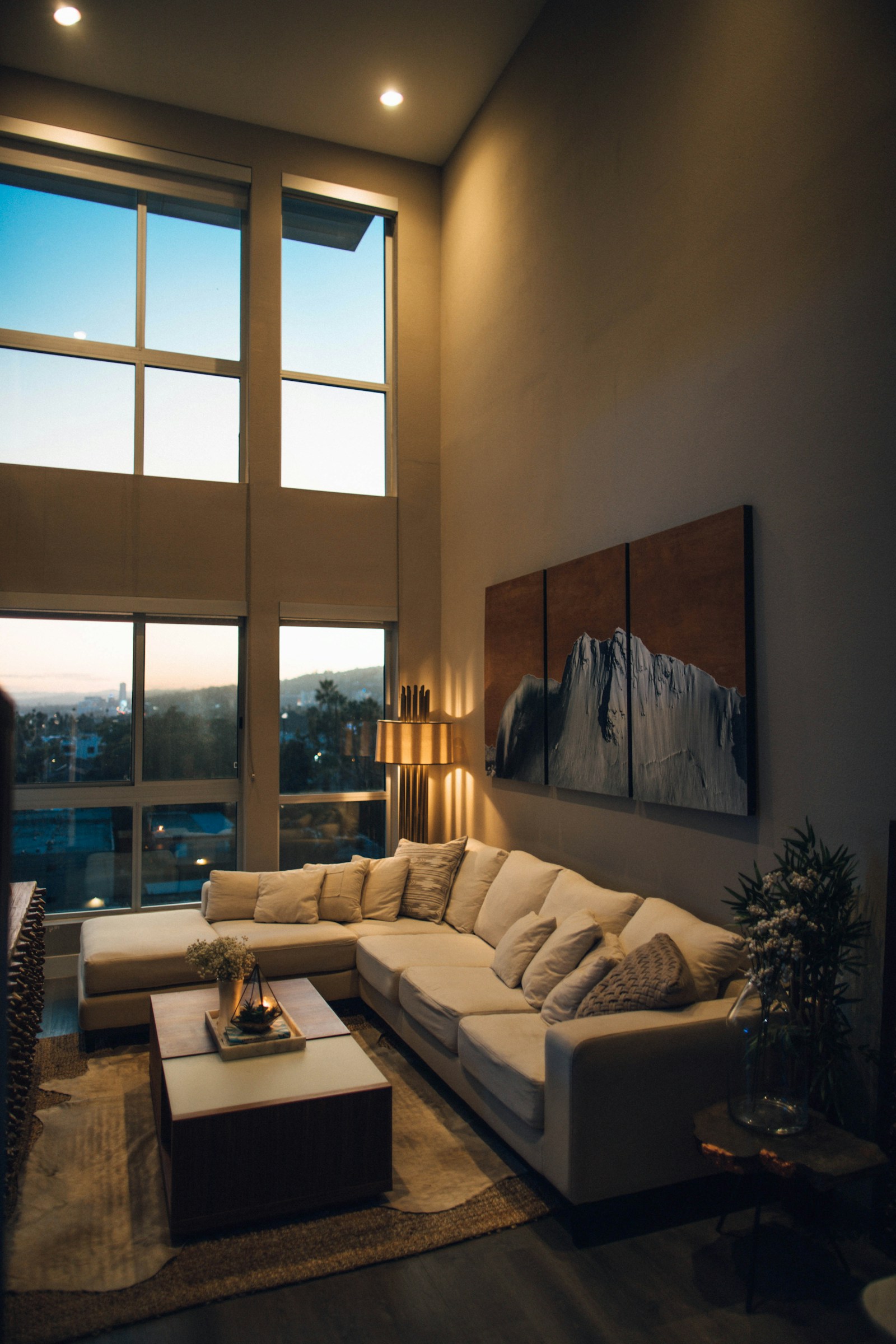
When selling your home, first impressions are everything. In today’s digital-first real estate market, your home’s "online curb appeal" often determines whether a buyer books a showing or keeps scrolling. This is where home staging—the art of preparing a residence for sale by highlighting its best features—becomes a critical tool for sellers.

At Pabian Realty, we want our clients to have the best data to make informed decisions. Below, we break down the latest statistics from industry leaders like the National Association of Realtors (NAR) and RE/MAX, along with advice on when staging is most effective.


The Statistics: Does Staging Actually Work?

The consensus among real estate professionals is overwhelming: staging helps homes sell. According to the National Association of Realtors (NAR) 2023 Profile of Home Staging, the impact on buyer perception is significant:

  • Easier Visualization: 81% of buyers' agents reported that staging a home made it easier for a buyer to visualize the property as their future home.

  • Increased Offer Value: 20% of buyers' agents stated that staging increased the dollar value offered by 1% to 5% compared to similar non-staged homes.

  • Faster Sales: On the listing side, 48% of sellers' agents noted that staging a home decreased the total time the property spent on the market.

RE/MAX data echoes these findings, suggesting that staged homes can sell for up to 6% to 10% more than those that aren't staged and often spend 73% less time on the market. Academic research also supports the idea that while staging may not always radically change a buyer's ultimate "willingness to pay" in every scenario, it significantly improves the "perceived livability" and the overall opinion of the home, which are necessary precursors to receiving an offer (Lane et al., 2015).


Vacant vs. Occupied: When Does Staging Make the Most Sense?

Staging isn't a one-size-fits-all solution. Depending on the state of your property, your strategy should change.

1. Vacant Properties: The "Must-Stage" Scenario

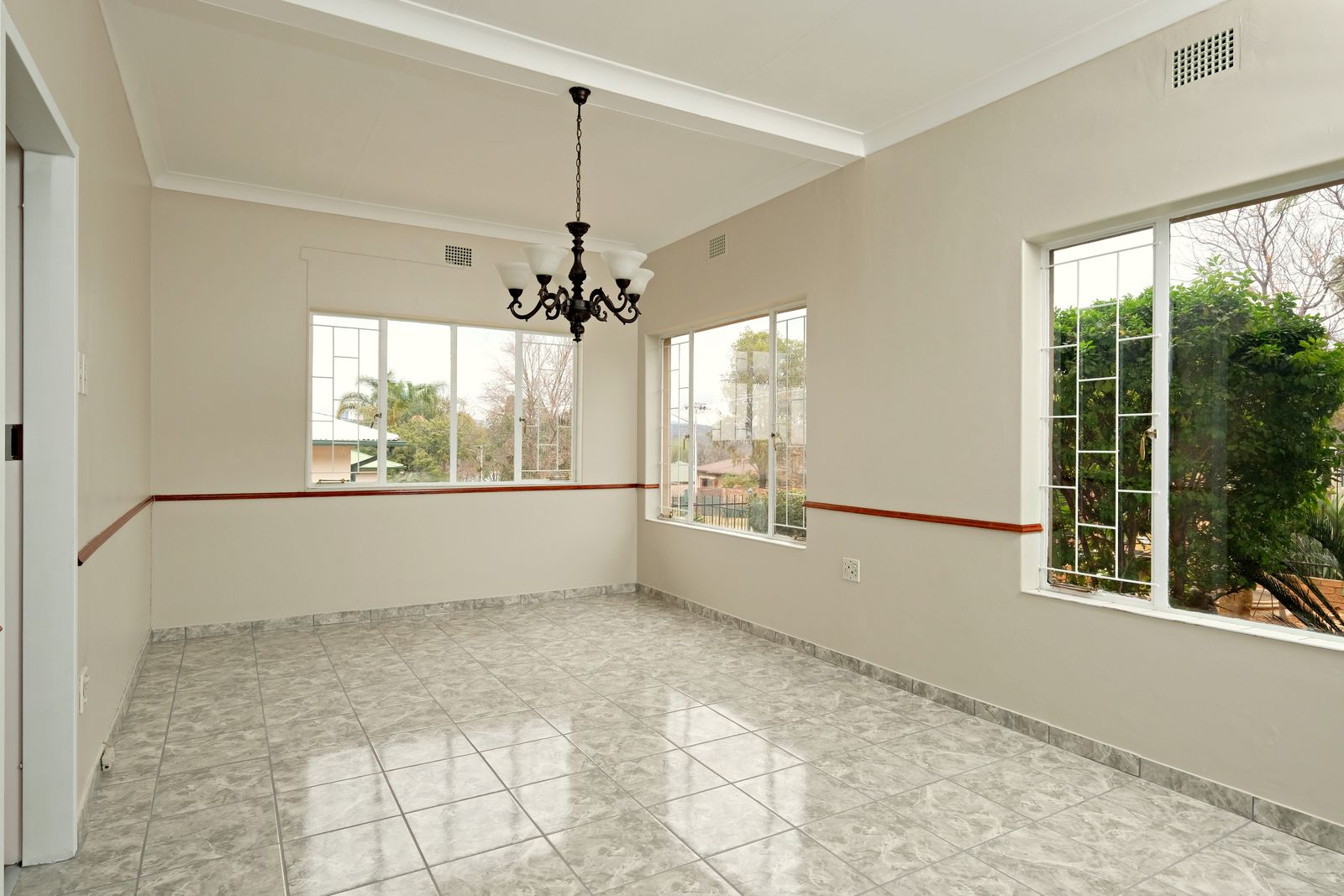
Vacant homes are notoriously difficult to sell. Without furniture, rooms often look smaller than they are, and buyers struggle to understand the scale or how to layout a room.

  • The Advice: Staging is essential here to "warm up" the space and provide a sense of purpose to every room. It transforms a cold, empty shell into an inviting home.

2. Occupied Properties: The "Edit and Neutralize" Scenario

If you are living in the home, you may not need a full furniture rental.

  • The Advice: Focus on decluttering and depersonalizing. Professional stagers often suggest a "consultation" where they use your existing furniture but rearrange it to improve flow and remove personal items (like family photos) that might distract buyers.

  • When it might not make sense: If your home is already modern, minimalist, and well-furnished, a full staging package may be an unnecessary expense. A simple professional deep clean and some minor "fluffing" (new pillows, fresh flowers) might suffice.


General Pricing: What to Expect in the Canadian Market

Pricing for staging varies by the size of the home and the level of service required. In the Canadian market, you can generally expect the following:

  • Initial Consultation: Most professional stagers charge between $200 and $500 for a detailed walkthrough and a report of recommendations.

  • Occupied Staging (The "Refresh"): Using your own furniture with some added accessories typically costs $500 to $1,500.

  • Vacant Staging (Full Service): For a standard 3-bedroom home, the initial set-up fee (including furniture delivery and design) often ranges from $2,000 to $5,000.

  • Monthly Rentals: Most stagers include the first month in the set-up fee, with subsequent months costing roughly $500 to $1,000 depending on the amount of furniture rented.


Pro Advice for Sellers

If you're on a tight budget, focus on the "Big Three" rooms. According to the NAR, these rooms have the greatest impact on buyers:

  1. Living Room (91%)

  2. Primary Bedroom (81%)

  3. Kitchen (78%)

Investing in these areas provides the highest return on your staging dollar.

For more personalized advice on preparing your home for the Edmonton market, contact the team at Pabian Realty today. We’re here to help you navigate every step of your real estate journey.


References

Read

The Great Edmonton Condo Comeback: Why 2026 is the Year of the Apartment

Posted by: Mike Pabian | May 12, 2026

If you had asked an Edmonton real estate expert back in January what to expect from the condo market, "explosive growth" probably wasn't the first phrase out of their mouth. Forecasters were predicting a modest, perhaps even sluggish, year for apartment-style living.

But the May 2026 numbers are in, and they’ve come as a welcome surprise for those potentially looking to sell this year. While detached homes are holding steady, apartment condominiums just posted a staggering 6.5% price increase in a single month. With the average condo price now sitting at $225,842, the "Condo Comeback" isn't just a trend—it's the defining story of the 2026 spring market.


The Spring Surprise: By the Numbers

For years, Edmonton's condo market was the quiet sibling to the booming detached housing sector. That changed this April. According to the latest data from the REALTORSĀ® Association of Edmonton (RAE), the segment has pivoted sharply.

MetricApril/May 2026 DataComparison
Average Condo Price$225,842šŸ“ˆ +6.5% (Month-over-Month)
Price vs. Last Year+3.4%šŸ“ˆ Higher than April 2025
Detached Average$589,384ā†”ļø -0.1% (Month-over-Month)

While detached homes saw a negligible dip of 0.1%, the 6.5% jump in condos suggests that buyers are shifting their gaze. As the gap between a house and an apartment nears $360,000, the math for first-time buyers is finally hitting a tipping point.

Why Now? The "Triple Threat" Driving Demand

The sudden rally in the condo sector can be attributed to three main factors:

1. The Bank of Canada "Hold"

The Bank of Canada has held its policy rate at 2.25%, providing the stability buyers needed to move off the sidelines. With 5-year variable mortgage rates as low as 3.4%, the monthly carrying cost of a $225,000 condo is now significantly lower than the average Edmonton rent, which has continued to climb.

2. The Affordability Bridge

With the average detached home approaching the $600,000 mark, many young professionals and families are realizing that "entry-level" no longer means a bungalow in the suburbs. The condo has become the essential bridge to homeownership in a city that—despite being the "Affordability King" of Canada—is seeing its land value rise.

3. The Investor Pivot

"We’re seeing a lot of interest from out-of-province investors again," says Darlene Reid, 2026 Board Chair for the REALTORSĀ® Association of Edmonton. "With the rental market tightening and the price gap between Edmonton and Calgary widening, investors see the $225k price point as a high-yield opportunity with low entry barriers."


Where is the Heat?

The "comeback" isn't happening everywhere equally. Three specific areas are leading the charge:

  • The University District: High demand for student housing and medical professional rentals has made Garneau and Strathcona perennial favorites.

  • Downtown & Oliver (The "Warehouse District"): With the completion of Warehouse Park, the central core is seeing a revitalization. Buyers are looking for the "walkable lifestyle" that only high-rise living provides.

  • The West End (LRT Corridor): Savvy buyers are picking up older condos near the Valley Line West LRT stops, betting on future appreciation as the line nears full operational maturity.


The Verdict: Is it a Bubble or a Reset?

Most experts agree this is a market reset, not a bubble. For nearly a decade, Edmonton condos were undervalued relative to the cost of construction. The 6.5% jump is the market finally catching up to the reality of 2026 inflation and population growth.

Pro Tip for Buyers: With inventory up 31% year-over-year across the board, you still have the power of choice. However, in the condo segment, that "choice" is disappearing faster than it was three months ago. If you’re looking to buy, the "wait and see" period is likely over.


Frequently Asked Questions (FAQ)

Is 2026 a good time to buy a condo in Edmonton?

Yes, for many it is the "sweet spot." While prices jumped 6.5% this month, the entry point of ~$226,000 remains the most affordable urban housing option in major Canadian cities. With the Bank of Canada holding rates at 2.25%, financing is more predictable than it has been in years.

What is "House Hacking" and is it still popular?

Absolutely. In 2026, "House Hacking 2.0" involves purchasing properties—often new builds in areas like Laurel—that feature legal basement suites or side entrances. This allows owners to rent out a portion of their home to cover a significant chunk of their mortgage, a strategy that has become a standard move for savvy first-time buyers.

How does the LRT expansion affect property values?

Properties within walking distance of the Valley Line West and Metro Line Northwest are currently seeing a "transit premium." Investors are buying now to capitalize on the increased desirability and higher rental rates expected once these lines are fully operational.

With inventory up 31%, why are condo prices rising?

While overall inventory is high, the demand for affordable units is outstripping the supply of desirable condos. Much of the new inventory consists of detached homes, whereas the "turn-key" condo market in central and university-adjacent areas is seeing a rapid absorption rate.

What should I look for in a condo document review?

In 2026, buyers are paying close attention to Reserve Fund Studies and Insurance Deductibles. With the rise in extreme weather events, ensuring the condo corporation has a healthy "rainy day" fund and manageable insurance premiums is just as important as the unit’s square footage.


Ready to explore your options? Whether you are looking for a first home or a strategic investment, Mike Pabian is here to guide you with integrity and unmatched local expertise.

Contact Mike Pabian today to start your search!

Read

Momentum Builds: Edmonton’s Real Estate Market Sets Up for Peak Spring Months

As we move into the heart of the spring season, the Edmonton real estate market is showing clear signs of momentum. According to the latest April 2026 report from the REALTORSĀ® Association of Edmonton (RAE), the Greater Edmonton Area (GEA) is experiencing a steady upward trend in activity, signaling a productive season ahead for those looking to enter the market.

While we aren't seeing the same frantic multiple-offer frenzies of the previous year, the steady growth in both prices and inventory suggests a healthy, maturing market. Let’s dive into the numbers and what they mean for you.


April 2026 Market Stats at a Glance

  • Total Residential Sales: 2,482 (↑16.4% from March 2026)

  • New Listings: 4,204 (↑13.9% from March 2026; ↑9.1% Year-over-Year)

  • Inventory Levels: ↑31.4% higher than April 2025

  • Average Selling Price: $478,902 (↑1.7% from last month)

  • MLSĀ® Home Price Index (HPI) Benchmark: $431,900


What This Means for Sellers: Leverage and Preparation

For sellers, the narrative is one of steady demand. While inventory has increased significantly (up 31.4% compared to last year), well-priced homes in desirable neighborhoods are still moving quickly.

  • Pricing is Key: With more inventory on the market, buyers have more choices. You can no longer rely on scarcity alone to drive up your price. Accuracy in your initial listing price is more critical than ever to ensure you don’t sit on the market.

  • Detached Dominance: The detached market remains the powerhouse of Edmonton, with average prices sitting at $589,384. If you are selling a single-family home, you are in the strongest segment of the market.

  • A "Normal" Pace: The 2026 market is moving at a more predictable pace. This is good news for "bridge" sellers—those who need to sell their current home to buy their next one—as the timelines are becoming more manageable.

What This Means for Buyers: Choice and Opportunity

If you’ve been sidelined by the aggressive competition of previous years, April’s data offers a breath of fresh air.

  • More Inventory, More Power: With a 13.9% month-over-month increase in new listings, buyers finally have the "luxury of choice." You have more opportunities to view multiple properties and perform due diligence without the fear of the home disappearing in hours.

  • Stable Interest Rates: The Bank of Canada’s decision to hold the policy rate at 2.25% until at least mid-June provides a stable backdrop for your mortgage planning. This predictability allows you to lock in rates and shop with confidence.

  • Condo Values: Apartment condominiums saw a significant price jump of 6.5% this month, bringing the average to $225,842. For first-time buyers, this segment remains the most accessible entry point into the Edmonton market, though prices are starting to climb.

What This Means for Investors: Long-Term Stability

Edmonton continues to be one of the most attractive investment hubs in Canada due to its nation-leading affordability and stable rental demand.

  • Steady Appreciation: While we aren't seeing "boom" spikes, the 1.9% year-over-year increase in average prices reflects a stable, low-risk environment for capital appreciation.

  • Rental Demand: As the spring market heats up, we typically see an influx of new residents moving for work. The increase in row/townhouse sales (up 17.4% from March) highlights a growing interest in medium-density properties—ideal for "buy-and-hold" rental strategies.

  • Inventory Absorption: While inventory is up, sales are also trending upward (up 16.4% month-over-month). This indicates that the market is efficiently absorbing new listings, a sign of a robust local economy.


Frequently Asked Questions (FAQ)

Q: Is it a "Buyer's Market" or a "Seller's Market" right now?

A: If you’re prepared and knowledgeable, you can get what you want. Worrying about who has the leverage is not unimportant, but it’s not the focus. Good market, bad market - people need a place to live, and there are deaIs to be had regardless of your situation. Currently, Edmonton is trending toward a balanced market. While sellers still enjoy rising prices, the significant increase in inventory (31.4% year-over-year) has given buyers much more leverage and choice than they had 12 months ago.

Q: How long does it take to sell a home in Edmonton currently?

A: While specific days-on-market (DOM) vary by property type, the market is moving into its peak spring rhythm. Well-maintained detached homes are seeing the fastest turnover, while the condo market is seeing renewed interest.

Q: Are multiple offer situations still happening?

A: They are less frequent than last year but yes, it still happens. Darlene Reid, the 2026 Board Chair of the REALTORSĀ® Association of Edmonton, noted that while prices have room to rise, we are unlikely to see the extreme multiple-offer situations that defined the previous spring season.

Q: What is the average price of a detached home in Edmonton?

A: As of April 2026, the average price for a detached home in the Greater Edmonton Area is $589,384.


Looking to make a move?

Whether you're looking to capitalize on your home’s equity or find your first investment property, navigating the spring market requires a strategic approach.

Contact Pabian Realty today for a personalized home evaluation or a curated list of available properties in your favorite Edmonton neighborhoods. I’m available at 780-232-2064 or mike@pabianrealty.ca.

Read
Data last updated on June 25, 2026 at 01:30 AM (UTC).
Copyright 2026 by the REALTORSĀ® Association of Edmonton. All Rights Reserved.
Data is deemed reliable but is not guaranteed accurate by the REALTORSĀ® Association of Edmonton.
The trademarks REALTORĀ®, REALTORSĀ® and the REALTORĀ® logo are controlled by The Canadian Real Estate Association (CREA) and identify real estate professionals who are members of CREA. The trademarks MLSĀ®, Multiple Listing ServiceĀ® and the associated logos are owned by CREA and identify the quality of services provided by real estate professionals who are members of CREA.