If you’re preparing to list your Edmonton home this year, you’re likely walking through your rooms wondering what needs an update. It’s incredibly tempting to start swinging hammers, tearing out cabinets, and throwing fresh paint on the walls to attract top-dollar offers. But the reality of real estate is that not all upgrades are created equal—and some can actually cost you money.
As we navigate the Edmonton real estate market in 2026, buyer psychology has shifted dramatically. The pandemic-era design crazes and rushed DIY weekend projects are officially in the rearview mirror. Today’s buyers are highly critical of renovations that feel cheap, impractical, or overly personalized. With the current cost of borrowing, buyers want move-in-ready functionality, not a house full of trendy fads they will have to spend money to undo.
Before you spend a single dollar on renovations, you need to ensure your upgrades will offer a solid return on investment (ROI). Here are five popular home design trends that are actively hurting your resale value—and what Edmonton buyers actually want to see instead.
1. "Flipper Grey" Everything
For nearly a decade, house flippers relied on cool, "agreeable grey" to paint every wall, cabinet, and floor in a home. Today, this monochrome aesthetic is a massive red flag for buyers.
A completely grey house feels sterile, dated, institutional and signals to buyers that the home may have been subjected to a hasty, budget-friendly flip. Furthermore, in Edmonton, we deal with long, dark winters. When natural light is scarce in January, a cool grey interior can make a home feel like a gloomy commercial office space.
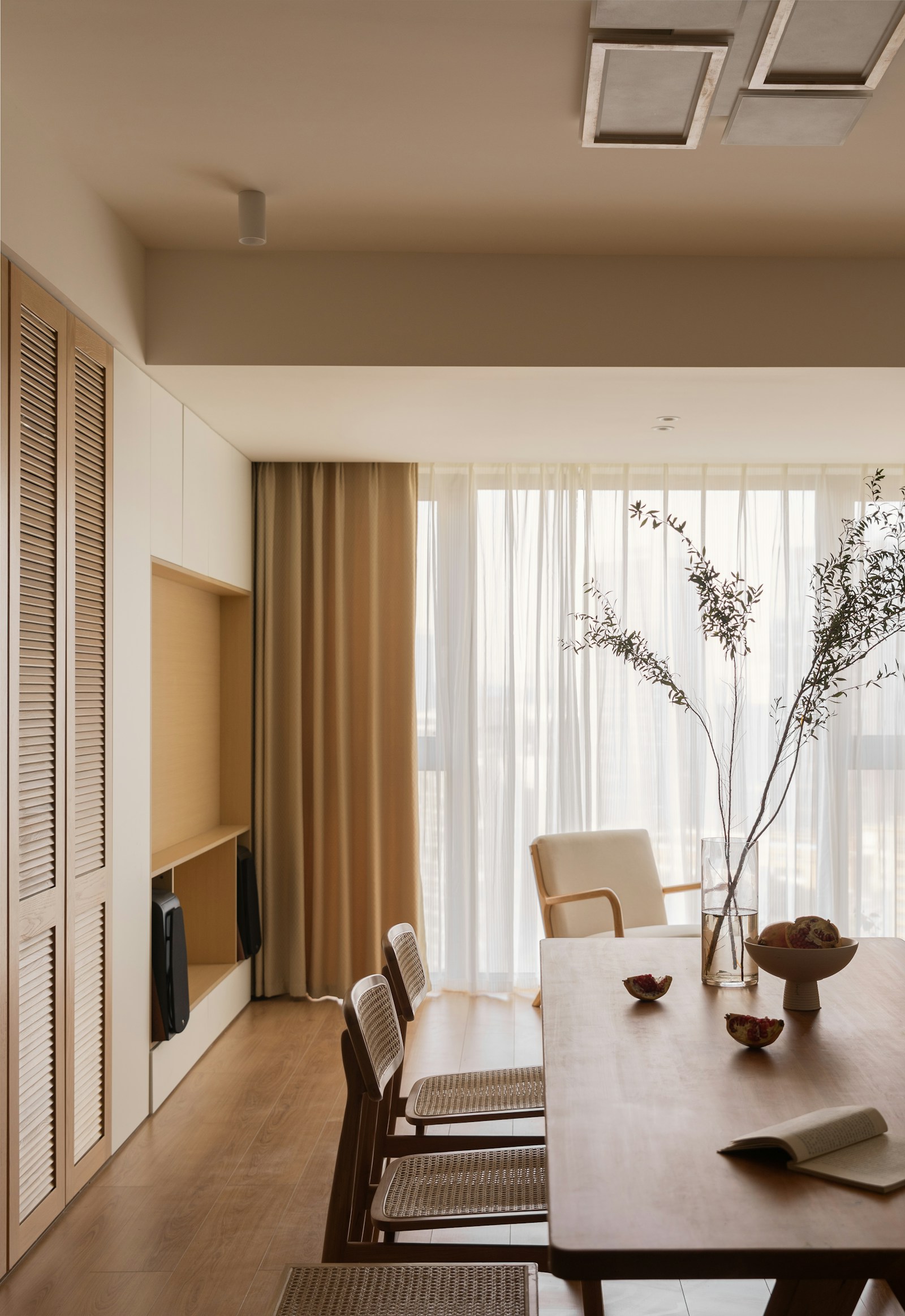
Modern buyers are craving warmth, character, and organic tones. According to Zillow’s home interior research, homes featuring warm earth tones, dark olive green kitchens, and moody, rich bedrooms consistently attract higher offers and more page views than all-grey homes.
The Edmonton Fix: Swap cool, flat greys for soft greige, warm creamy whites, or rich wood accents. These tones bounce winter light beautifully and make the home feel inviting and professionally designed. If your home is from the 70’s and is in good shape, it might actually be best to not renovate anything - rich wood, champagne carpets and basement bars are all back in demand.
2. Ripping Out the Home's Only Bathtub
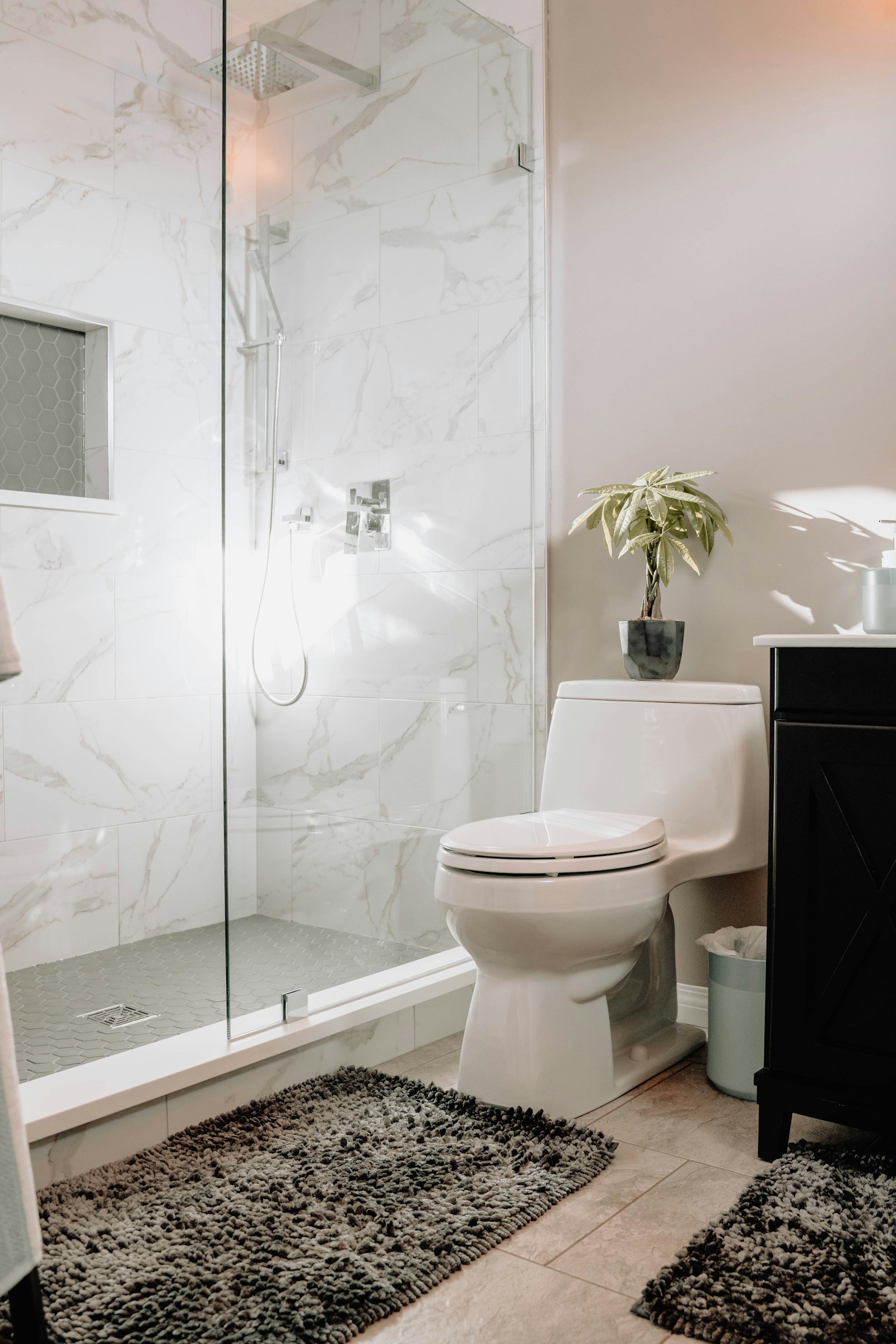
Luxury walk-in showers with massive glass enclosures and dual rain showerheads look incredible in magazines, but removing the only bathtub in your home is a major resale misstep.
While the Appraisal Institute of Canada (AIC) notes that bathroom remodels generally yield a strong ROI, destroying a home's sole bathtub immediately disqualifies a massive segment of the Edmonton buyer pool. Neighborhoods in the Southwest and suburbs like St. Albert and Sherwood Park are heavily driven by family buyers. Young families with toddlers, as well as pet owners, consider a bathtub an absolute, non-negotiable requirement.
The Edmonton Fix: If you are upgrading your primary ensuite to a massive, spa-like walk-in shower, ensure your main floor or upper-level family bathroom retains a functional, clean bathtub.
3. Sliding Barn Doors on Bathrooms and Bedrooms
The "modern farmhouse" trend had a great run, but heavy, rustic sliding barn doors have overstayed their welcome—especially when applied to intimate spaces like bathrooms, home offices, or primary suites.
Buyers in 2026 view barn doors as a massive impracticality. They rattle loudly on their tracks, hog valuable wall space that could otherwise be used for furniture or art, and most importantly, they offer zero acoustic or visual privacy. In a busy household, a door that doesn't block sound is a major annoyance. Not only that, the best-installed barn doors will still leave a gap that you can see through - far from ideal for a bathroom.
The Edmonton Fix: Stick to traditional solid-core panel doors for bedrooms and bathrooms. If you are dealing with a tight footprint and a swinging door won't work, invest the money in a smooth-gliding pocket door hidden seamlessly inside the wall.
4. Hyper-Customized Space Conversions
Did you turn your heated two-car garage into a specialized micro-gym? Or perhaps you converted a valuable third bedroom into an elaborate, permanent open-plan custom closet? What about a basement rec room that has been entirely swallowed up by a massive, custom-built wet bar?
While these tailored spaces may serve your current lifestyle beautifully, future buyers do not want to pay a premium for your specific hobbies. Worse, when you permanently eliminate essential, functional spaces—like bedrooms, garage parking (a must in Alberta winters), and standard storage—you drastically lower the comparable value of your property.
The Edmonton Fix: Keep your spaces flexible. Use modular, non-permanent furniture and shelving for your hobbies so that a home gym can easily revert back to a garage, or an office can easily transition back into a nursery before you list.
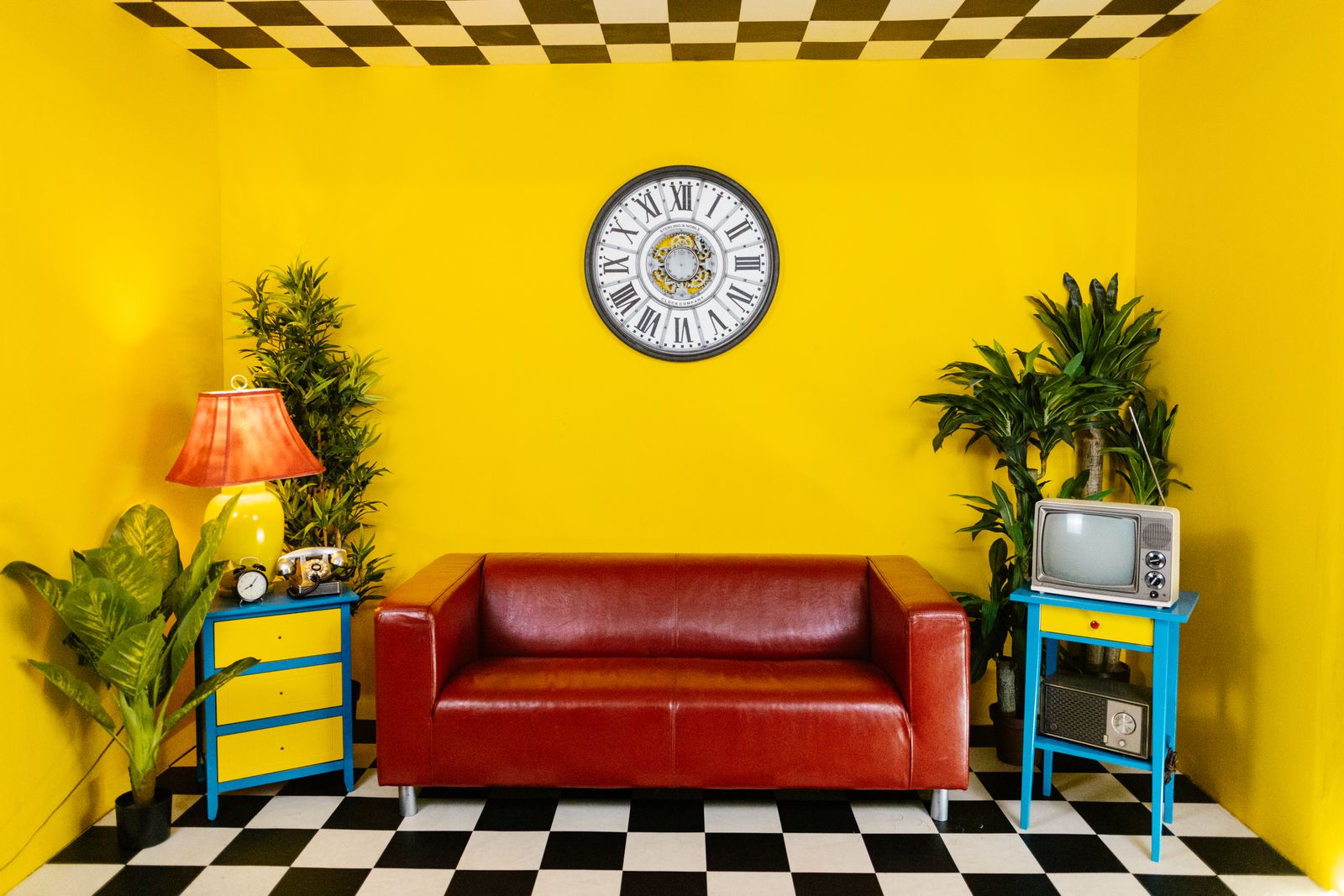
5. Total Open-Concept Demolition
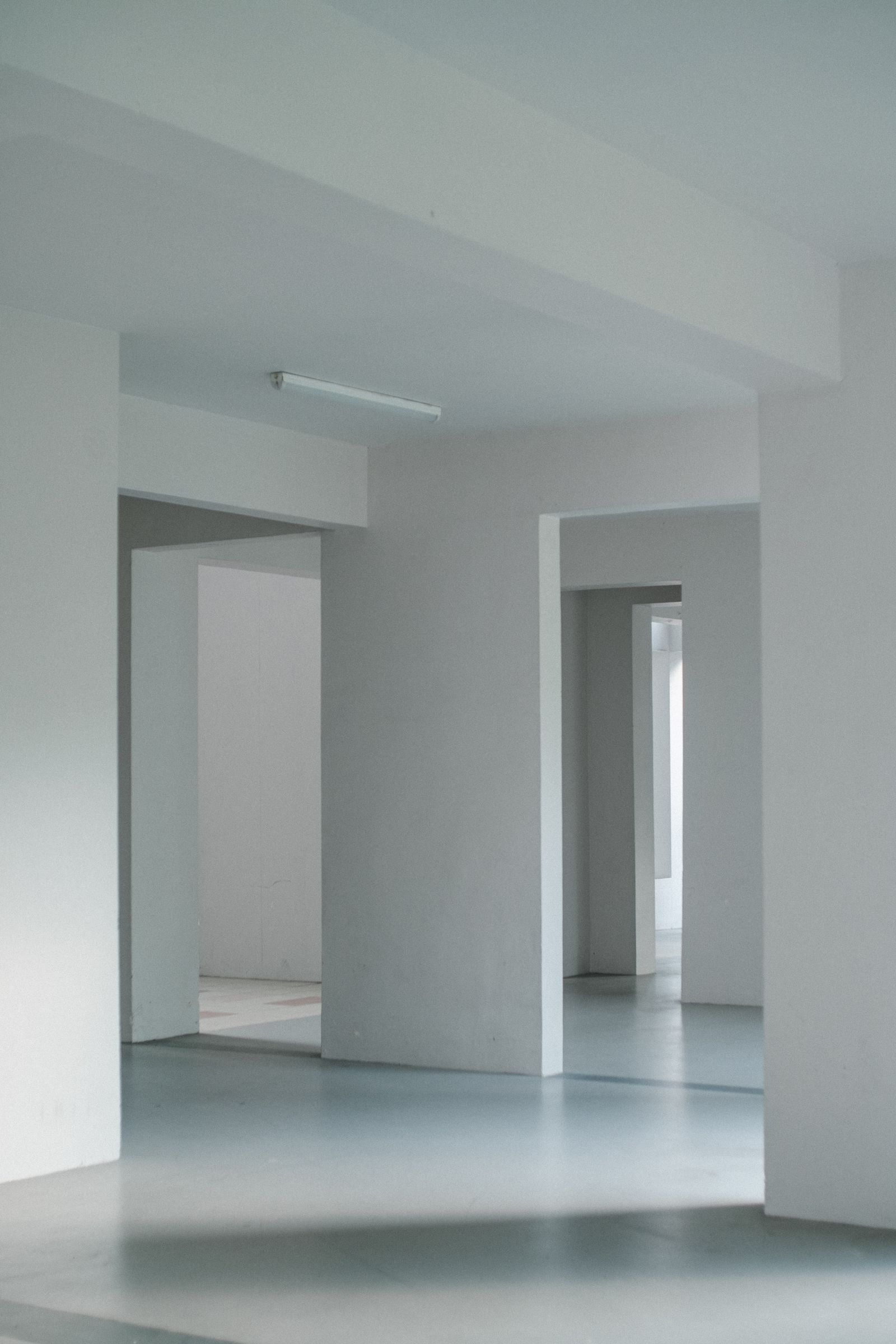
The massive, all-encompassing open-concept floor plan—which was the gold standard for new builds in the early 2000s—is officially falling out of favor. Real estate professionals are seeing a clear trend: buyers are actively avoiding homes where the living room, dining room, kitchen, and foyer exist in one cavernous, echoing chamber.
There are two main reasons for this. First, with hybrid work schedules remaining a permanent fixture for many Albertans, buyers need dedicated wall space, acoustic privacy, and cozy, separate zones so multiple family members can work or relax without talking over one another. Second, heating a massive, unsegmented open space during a -30°C Edmonton cold snap is incredibly inefficient and expensive.
The Edmonton Fix: Instead of tearing down every load-bearing wall in sight, opt for "flexible zoning." Use framed archways, elegant double French doors, or half-walls to create long sightlines without sacrificing room separation and sound control.
What Actually Adds Value in 2026?
If you want to spend money where it counts, skip the cosmetic fads and focus on functionality and efficiency.
According to Natural Resources Canada (NRCan), energy efficiency is now one of the top features Canadian buyers look for. Upgrading to triple-pane windows, installing a smart thermostat, adding attic insulation, and ensuring your furnace and hot water tank are modern will net you far more buyer interest than a trendy backsplash.
FAQ: Home Value & Renovations in Edmonton
Q: Which home renovations have the highest ROI in Alberta?
A: Historically, minor kitchen remodels (painting cabinets, updating hardware, and swapping countertops) and minor bathroom updates yield the highest return on investment. Updating light fixtures and applying a fresh coat of warm, neutral paint are also highly cost-effective ways to boost your listing price.
Q: Does landscaping actually increase my home's resale value?
A: Absolutely. Curb appeal is your home's very first impression. A tidy lawn, fresh mulch, power-washed siding, and a freshly painted front door can yield a massive return by immediately putting buyers in a positive mindset before they even step foot inside.
Q: Should I finish my basement before selling my Edmonton home?
A: It depends entirely on your timeline and budget. While a finished basement adds valuable square footage and appeals to buyers looking for rental income suites or family rooms, it is a high-cost, time-consuming project. If you are planning to sell in the next few months, it is often better to leave it unfinished rather than rush a cheap job. Let the new buyers customize it to their exact liking, and price accordingly.
Ready to Maximize Your Home’s Value?
Updating your home before listing is a brilliant move—but only if you are investing your hard-earned money into the right features. The Edmonton market is competitive, and knowing exactly what local buyers are searching for right now is the difference between your house sitting on the market for months or triggering a bidding war.
Don't guess what your home needs. Let the experts guide you.
Before you hire a contractor or buy a can of paint, reach out to Mike today. I will provide a completely free, no-obligation home valuation and walkthrough. I’ll be able to give you an honest, data-backed breakdown of which specific renovations will generate a 1:1 return in your specific Edmonton neighborhood.