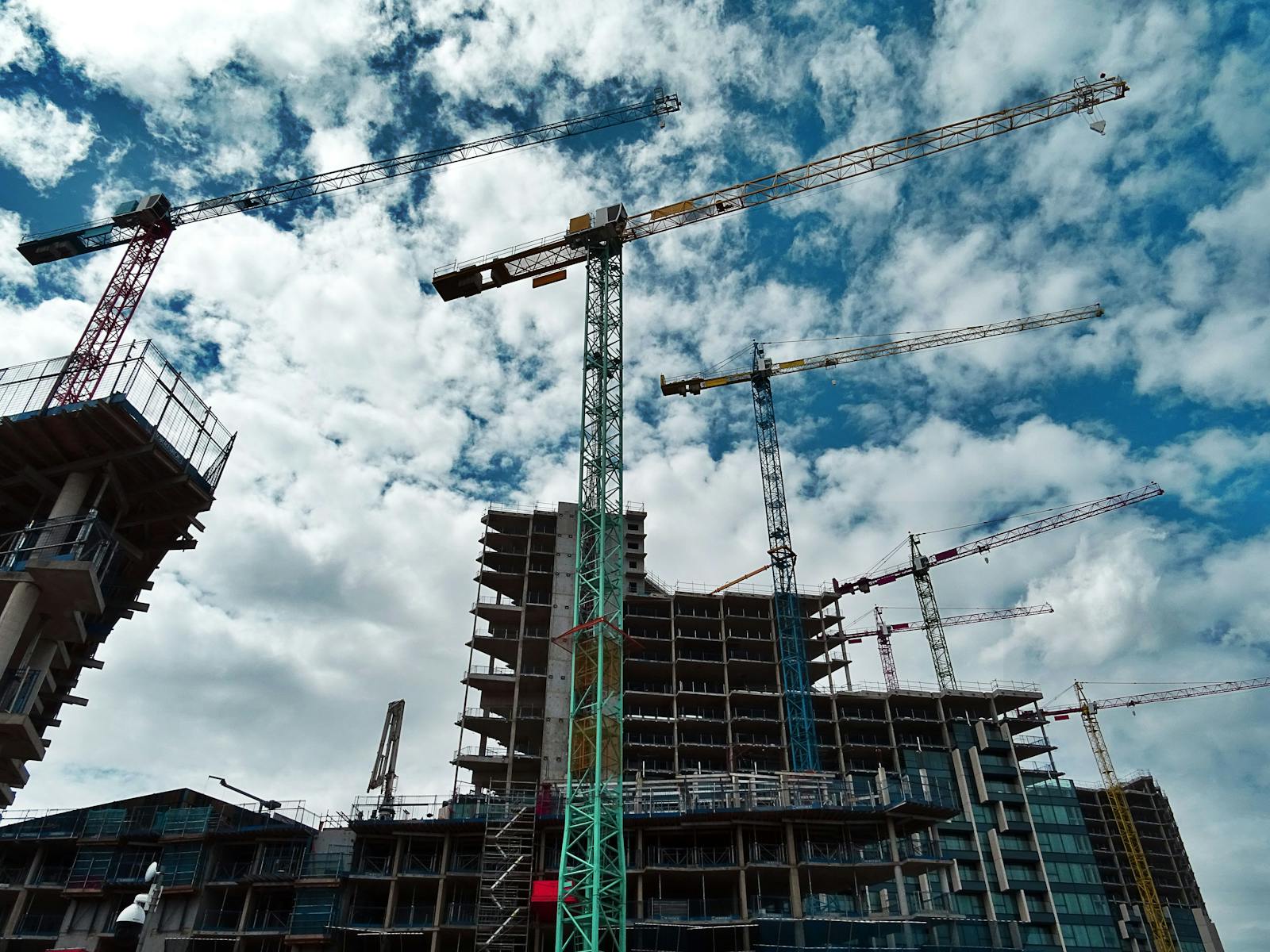
On September 14, 2025, Prime Minister Mark Carney announced Build Canada Homes - a new federal agency with an initial $13-billion investment to help fix Canada’s housing crisis. The first cities to receive investment in this program are Edmonton, Winnipeg, Toronto, Ottawa, Longueuil, and Dartmouth.
The plan has been described as bold and ambitious, but it’s also raised some serious questions - and, as is often the case with government announcements, the press release sounded nice but was short on details.
Let’s dive in to what this program is, why some people are hopeful, why others are skeptical, and what this could mean here in Edmonton.
What Build Canada Homes Is All About
The government says Build Canada Homes (BCH) will:
Build different types of housing: everything from deeply affordable units for low-income households, to supportive housing for people at risk of homelessness, to mixed-income developments with private partners¹.
Use public land: many federal properties will be repurposed to lower land costs and get projects moving faster¹.
Build faster and greener: with modular and factory-built homes, the aim is to cut construction time and reduce costs and emissions².
Support community providers: non-profits, co-ops, and Indigenous housing organizations are expected to play a central role³.
Offer financial tools: loans, loan guarantees, and incentives will be used to reduce the risks for builders and speed up development⁴.
Why People Are Optimistic
Supporters see several reasons to be hopeful:
Scale and ambition: Unlike smaller programs of the past, this one is designed to operate at a national level with significant resources³.
Targeting long-standing gaps: Indigenous housing, supportive housing, and co-op housing sectors have been underfunded for decades. BCH could help fill those gaps³.
Potential cost savings: If modular construction and public land really do lower costs and timelines, this could make a meaningful difference⁵.
Why People Are Worried
Critics and analysts warn there are risks:
Higher costs from competing priorities
A focus on using only Canadian-made materials or meeting strict green building standards could drive up costs and slow things down⁴.Local bottlenecks
Even with federal money, housing approvals depend heavily on cities. Zoning changes, infrastructure, and permits can drag out timelines⁴.Not enough to meet demand
Canada needs millions of new homes. Even if BCH adds tens of thousands, it might not move the needle much on prices in the hottest markets⁴.Risk of overruns
Big projects often cost more and take longer than expected. If that happens here, taxpayers could be left covering the shortfall⁴.Affordability definitions matter
If “affordable” ends up meaning only “slightly cheaper than market rent,” then the people most in need — families spending most of their income on housing or living in unsafe conditions — may still be left behind³.

What This Means for Edmonton
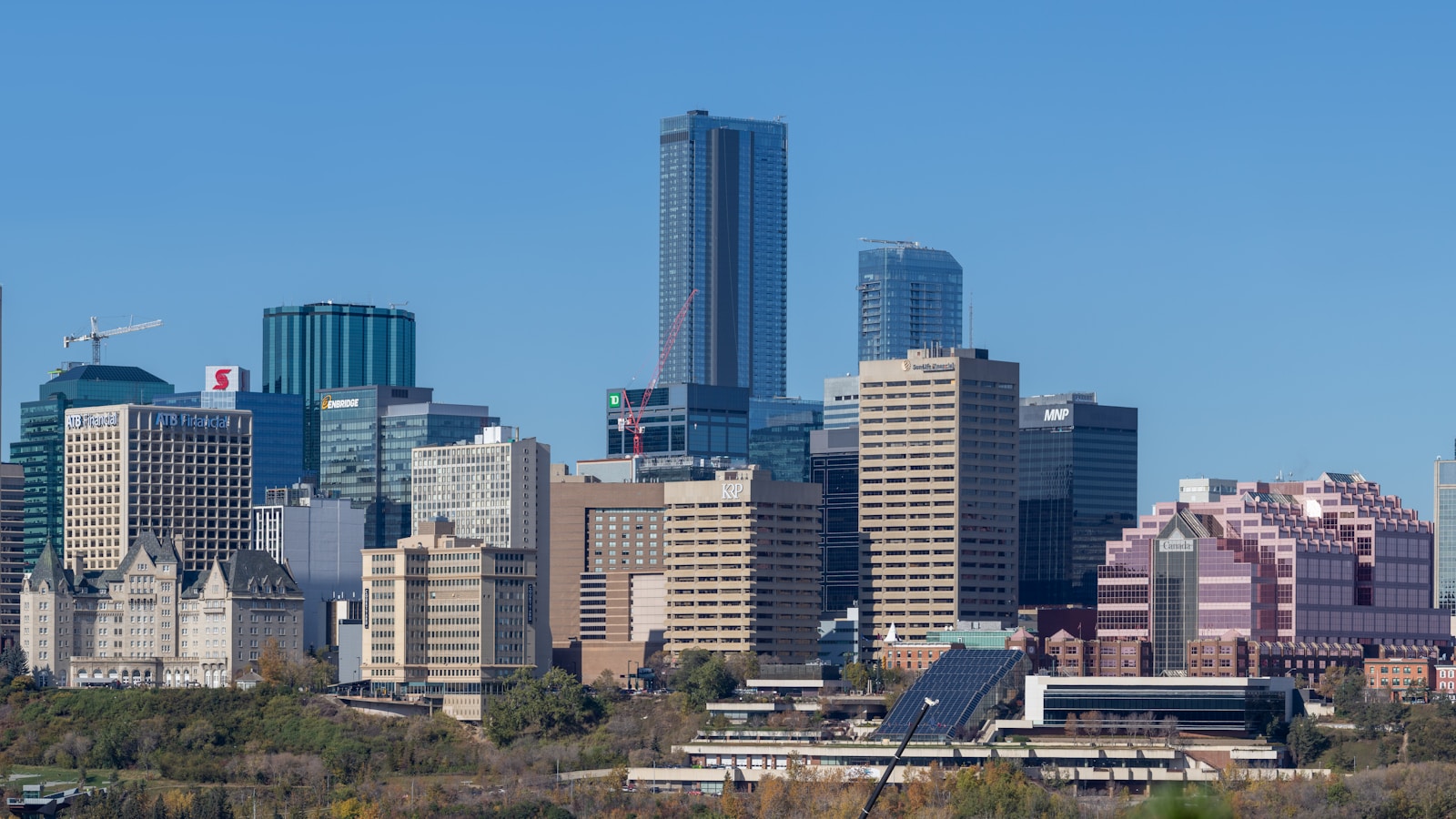
Edmonton was one of the six cities named for the first round of BCH projects¹. That matters locally for a few reasons:
Early federal investment: The promise of factory-built housing on federal land here could bring new units online faster than the private market alone can manage.
Impact on affordability: Edmonton has remained one of Canada’s more affordable big cities, but prices have been rising. More supply, especially rental and supportive housing, could help ease pressure for renters and first-time buyers.
Neighbourhood growth: Depending on where federal lands are used, we could see major new developments on the west and northeast sides of the city, which may drive demand for new schools, transit, and amenities.
Construction jobs: Large-scale modular builds could mean more skilled jobs and investment in Edmonton’s construction and manufacturing sectors.
For first-time buyers, this might not translate into immediate price drops — but it could help stabilize the market in the years ahead. More supply also gives buyers more options, especially in a city already popular with newcomers for its relative affordability compared to Vancouver, Toronto, and Calgary.

What Canadians Should Watch
Here are a few things worth paying attention to as Build Canada Homes gets off the ground:
FAQ: Build Canada Homes and Edmonton
Will this lower Edmonton home prices?
Probably not overnight. Edmonton is already more affordable than other major cities, but demand is rising. More supply can help slow price increases, but don’t expect dramatic drops.
When will the first homes be built here?
Edmonton is in the first wave of projects, but no exact timelines have been released yet. The federal government has identified land, but local approvals and planning still need to happen¹.
What types of homes will Edmonton see?
The focus will likely be on modular and factory-built housing. Expect a mix of affordable rental units, supportive housing, and possibly mixed-income developments.
How does this help first-time buyers?
If successful, BCH could increase the supply of starter homes and rentals, easing competition. While you may not personally buy directly from these projects, having more affordable rentals can help stabilize the market and give buyers more time to save.
Where will these homes be built in Edmonton?
The exact sites haven’t been announced, but they’ll be on federal land within city limits. Likely candidates include areas with good access to transit and infrastructure, but final decisions will come from a partnership between Ottawa and the City of Edmonton. The most relevant example of federal lands being turned over to develop housing would be the recent redevelopment of Griesbach, which was formerly home to Canadian Forces Base Griesbach (and a fleet of C130 Hercules cargo planes, but I’ll save my nerding-out for a future article).
Who benefits the most?
Renters, lower-income families, and people at risk of homelessness are the primary focus. First-time buyers could also benefit indirectly if competition in the market cools.

Final Thoughts
Build Canada Homes is one of the most ambitious housing plans Canada has ever seen. If it delivers, it could provide much-needed relief, especially for renters, first-time buyers, and people struggling to keep a roof over their heads.
For Edmonton, being included in the first wave of projects is significant. It means more homes may arrive here sooner than in other cities, and that could help keep our market relatively stable. But there are still big questions about costs, approvals, and whether the homes built will truly meet the needs of the people struggling most.
As with any large plan, the key will be execution. Success won’t be measured by the billions invested, but by whether everyday Canadians — including Edmontonians — can finally find safe, decent, and affordable places to live.
For additional reading, check out my sources below.

Sources
Government of Canada – Prime Minister launches Build Canada Homes
CTV News – Carney government launches Build Canada Homes with $13B initial investment
Canadian Housing and Renewal Association – Build Canada Homes: A bold opportunity if we get it right
Fraser Institute – Carney’s housing plan will likely spend a lot for very little
Reuters – Canada announces new federal agency to build affordable housing
This post is not meant to be political, my goal is only to share facts about the housing market in Edmonton, and policy changes that impact you - the residents. If you’d like to learn more about how to leverage the current market and policy landscape to reach your goals, call me at 780-232-2064.
