
Published October 29, 2026 | Edmonton Real Estate News & Analysis
Edmonton's infill debate has reached a boiling point.
What began as a disagreement about building more homes in established neighbourhoods has escalated into a major political confrontation between Edmonton City Hall and the Alberta government.
Premier Danielle Smith's government has ordered Edmonton to roll back key residential zoning rules, Mayor Andrew Knack has raised the possibility of challenging that directive in court, and thousands of Edmontonians are wondering what happens next.
If you're a homeowner in an established Edmonton community, the owner of a property with redevelopment potential, or someone hoping to purchase an affordable home, the outcome could affect you.
The controversy goes well beyond whether an eight-unit building should be allowed beside a single-family home. It raises some fundamental questions:
Who should decide what gets built in your neighbourhood?
How much development is too much?
Does infill increase or decrease surrounding property values?
Should existing homeowners have greater influence over neighbourhood changes?
Could restrictions on infill make housing more expensive for future generations?
And what happens when the provincial government steps in to overturn decisions made by an elected city council?
Let's examine what's actually happening, why both governments are so firmly opposed, and what these changes could mean for Edmonton's housing market.

Article Summary: What's Happening With Edmonton's Infill Rules?
For anyone who wants the short version, here are the most important developments.
1. Edmonton introduced sweeping zoning changes in January 2024. These made it easier to build multiple homes on residential lots throughout the city, including up to eight primary dwelling units on qualifying mid-block properties.
2. Residents began raising concerns. Homeowners complained about large buildings appearing beside smaller houses, a loss of privacy, parking shortages, construction disruption and possible impacts on their property values.
3. City Council made some adjustments. In 2025 and 2026, Edmonton introduced additional building-design restrictions and reduced the maximum height of buildings in its Small Scale Residential zone from 10.5 metres to 9.5 metres.
4. Alberta intervened on October 8, 2026. The provincial government announced that Edmonton must restore earlier rules governing housing types, density, height and parking.
5. The province formalized the directive on October 22. An official regulation now requires changes specifically affecting the RS — Small Scale Residential — zone by January 22, 2027.
6. The City is considering its legal options. Mayor Andrew Knack has discussed the possibility of taking Alberta to court, arguing that the province's intervention raises serious questions about local decision-making and the legal responsibilities of councillors. As of October 29, a court challenge has not been confirmed as filed.
7. The final outcome remains uncertain. Edmonton is preparing amendments, public consultation is expected, and the province has also required a broader review of zoning policy.
The bottom line: Alberta's rollback order is real and legally formalized. However, the exact replacement zoning rules and their long-term consequences have not yet been finalized.
Sources: Government of Alberta announcement | October 22 provincial order
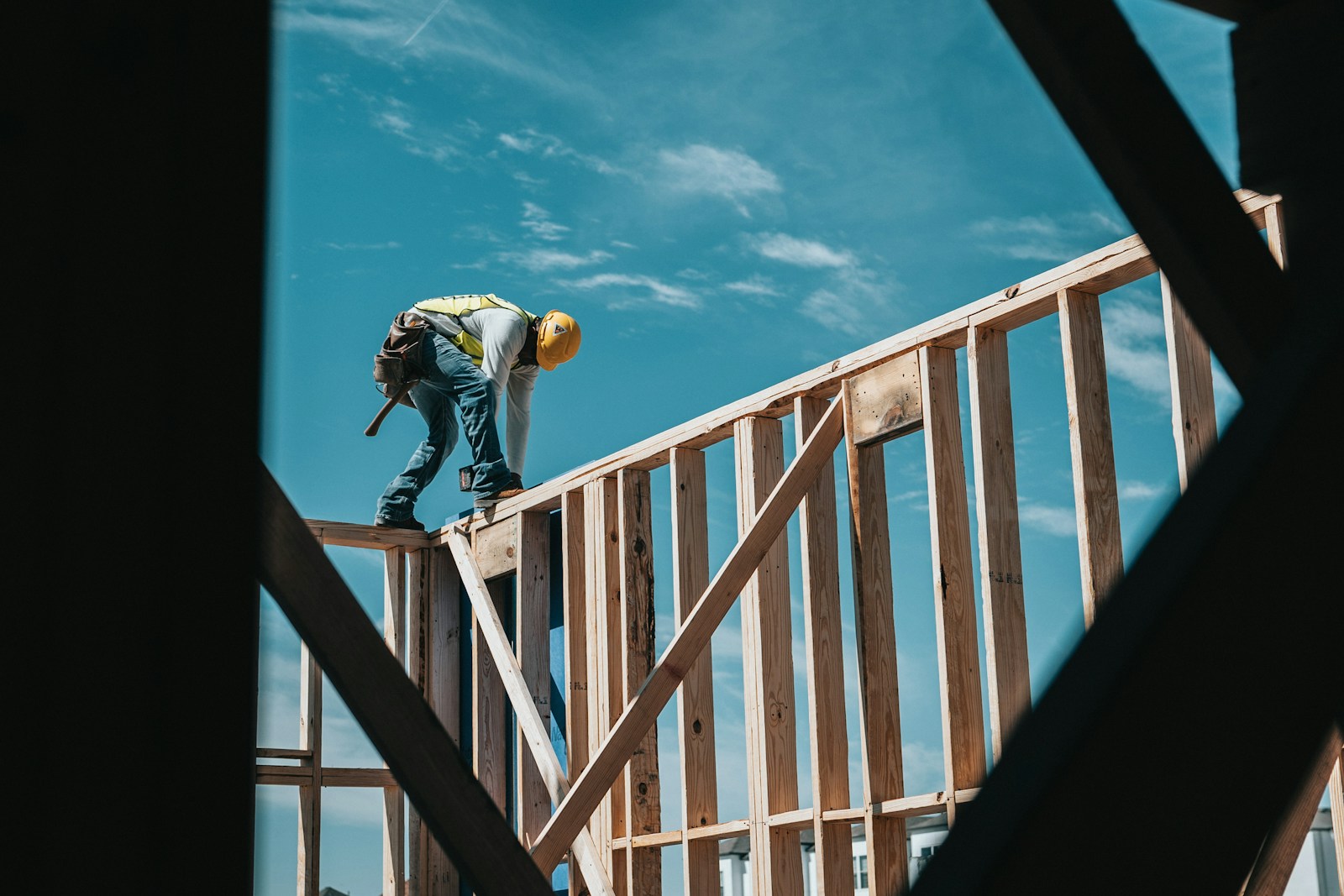
First, What Exactly Is Infill Housing?
Infill is the construction of new homes in neighbourhoods that are already developed. Rather than building exclusively on undeveloped land at the outskirts of Edmonton, infill uses existing residential properties to accommodate additional homes.
For example, imagine a 1950s bungalow sitting on a large lot in Glenora, Parkview, Westmount or another established community. A builder might purchase that property, demolish the original house and replace it with:
A newly constructed single-family home.
Two skinny homes or a duplex.
A row of townhomes.
A fourplex or sixplex.
An eight-unit residential building, if the property's zoning and dimensions permit it.
Infill can also mean adding a basement suite or constructing a backyard garden or garage suite. The idea isn't particularly new. Edmonton has been redeveloping older properties for decades. What's different is how much housing the rules began permitting without requiring a separate rezoning application for each property.
For more background, you can read my earlier article: Edmonton's Infill Rules Explained: What Buyers, Builders, and Neighbours Need to Know.
How Did Edmonton Get Here? Understanding the 2024 Zoning Changes
Edmonton's modern infill debate largely centres around Zoning Bylaw 20001, which came into effect on January 1, 2024. The City replaced an older, more restrictive zoning system with a simplified framework intended to accommodate a wider variety of housing. One of the biggest changes was the introduction of the RS — Small Scale Residential Zone.
Under the new rules, eligible properties could accommodate detached houses, semi-detached homes, row housing and small multi-unit buildings. For qualifying mid-block lots, up to eight primary dwelling units could be built without requiring a separate rezoning approval. However, this was never an automatic entitlement for every lot. The number of units depended on lot area and other zoning requirements.
For example, the City required at least 75 square metres of site area per primary dwelling, meaning a mid-block property would generally need at least 600 square metres to accommodate eight primary units. Another important change had actually happened earlier. Edmonton removed minimum on-site parking requirements in 2020, allowing builders greater flexibility in deciding how much parking to provide.
These changes were intended to help Edmonton grow inward as well as outward.
Why the City believed this approach made sense
Edmonton has experienced substantial population growth, and accommodating additional residents means building more housing. Traditionally, much of that growth has occurred on the city's outskirts, in neighbourhoods requiring new roads, utility networks, schools, transit connections and other services.
The City argues that adding homes to established neighbourhoods can make better use of existing infrastructure, support local businesses, sustain schools and provide more housing choices in locations people already want to live. There is an important financial argument here, too.
Consider a large residential property that once accommodated a single household. If that property is redeveloped into several individually assessed homes, it may generate considerably more municipal property tax revenue. That does not mean density is free of infrastructure costs. Water systems, drainage, utilities, roadways, garbage collection and other services still need sufficient capacity. The City believes accommodating more residents in established areas can help reduce the long-term cost of outward expansion.
Sources: City of Edmonton — Infill in Your Neighbourhood | City of Edmonton Zoning Bylaw

Why Did Edmonton Residents Start Pushing Back?
Not everyone welcomed the changes. In established communities, homeowners began seeing developments that looked dramatically different from the houses surrounding them. Imagine living in a bungalow that you've owned for 25 years. The house next door is purchased by a developer. The original home is demolished, and a much larger three-storey building takes its place.
Instead of one household next door, you could eventually have several. That change can affect everyday life in ways that go beyond the number of people living on a street.
Privacy and sunlight
Perhaps your family enjoyed a relatively private backyard for decades. A taller building next door may now have upper-floor windows overlooking it. A larger structure can also cast additional shadows on neighbouring properties. This can be particularly frustrating for homeowners who invested in landscaping, outdoor living spaces or solar panels.
Parking and traffic
Although Edmonton's newer zoning rules removed mandatory parking minimums, residents continued to own vehicles. The result, in some cases, has been concern about increased demand for street parking. Not every infill development creates parking problems, and many builders voluntarily provide parking. However, the level of parking needed can vary substantially from one neighbourhood to another. A building near frequent transit may operate very differently from one on a quiet residential street where most households rely on vehicles.
Construction disruption
Demolishing one home and constructing several new ones can involve months of heavy equipment, noise, dust, contractor vehicles and temporary access restrictions. Even residents who support infill in principle may be frustrated by poorly managed construction.
Neighbourhood character
Some homeowners purchased in mature communities specifically because of the established trees, larger yards, traditional architectural styles and relatively low-density streets. When several large infill developments appear in a short period, the neighbourhood's appearance can change considerably. Others see the same changes positively, welcoming architectural variety, housing reinvestment and the removal of deteriorating older properties.
The feeling of losing control
Perhaps the biggest frustration has been the perception that existing residents have little influence over what happens around them. Under an as-of-right zoning system, a development that meets the zoning requirements can generally proceed without a separate neighbourhood rezoning hearing. That's very different from having an opportunity to argue against a proposed rezoning before it receives approval.
Infill critics believe the rules gave developers too much flexibility while reducing residents' ability to influence neighbourhood changes. These concerns helped generate organized opposition and demonstrations in Edmonton during 2026.
Source: CityNews — Edmonton residents protest infill housing rules, September 28, 2026

Didn't Edmonton City Council Already Change the Infill Rules?
Yes, and this is an important part of the story.
Edmonton's zoning bylaw wasn't completely unchanged after January 2024. City Council made several adjustments intended to address concerns about building size and design. In 2025, Council approved restrictions affecting building length, side-facing entrances and the appearance of row housing and multi-unit developments.
In February 2026, Council considered reducing the maximum number of units on mid-block lots from eight to six, but the proposed reduction did not pass. Council subsequently approved a reduction in the maximum RS building height from 10.5 metres to 9.5 metres, effective August 1, 2026.
The City was also considering additional measures dealing with landscaping, design and neighbourhood compatibility. So why wasn't that enough?
For some residents, the changes were a step in the right direction. For others, they addressed only the appearance of large buildings without fundamentally changing the density permitted on residential lots. That distinction is central to the disagreement.
A building can be one metre shorter and still contain eight units, for example.
Source: City of Edmonton — Zoning Bylaw Text Amendments

Alberta Steps In: What Did Premier Danielle Smith Announce?
On October 8, 2026, Premier Danielle Smith and Municipal Affairs Minister Dan Williams announced that the Alberta government would intervene directly in Edmonton's residential zoning policies. The province argued that some infill developments had become too large, too dense and insufficiently compatible with surrounding neighbourhoods. Alberta's position is that creating more housing is important, but that it shouldn't come at the expense of established residents' quality of life.
The government pointed to concerns about parking, traffic, building scale, infrastructure and neighbourhood character. Rather than asking Edmonton to make additional voluntary adjustments, the province directed the City to restore earlier zoning parameters.This was a significant departure from the usual practice of leaving detailed local land-use planning to municipalities.
The October 22 order made the requirements official
On October 22, Alberta issued Order in Council 353/2026, establishing the City Land Use Bylaw Direction Regulation. It requires Edmonton to amend the rules for properties currently zoned RS.
Specifically:
Housing types, density and height: Rules must match those applicable to comparable residential properties under Edmonton's previous Zoning Bylaw 12800 as it existed on December 31, 2023.
Parking: Minimum on-site parking requirements must match those applicable to comparable residential properties under the former bylaw as it existed on July 1, 2020.
Deadline: Edmonton must enact the required amendments by January 22, 2027.
Longer-term review: Edmonton must also conduct a broader zoning review and make changes consistent with provincial infill policy within 18 months.
One critical detail deserves emphasis: the written order specifically targets the RS zone. It does not simply abolish Edmonton's entire zoning bylaw or prohibit all infill development.
The exact rules for different types of RS properties will depend on how Edmonton matches them to comparable properties under the previous zoning system.
Sources: Government of Alberta announcement | Official Order in Council 353/2026

Why Is the City of Edmonton So Upset?
Mayor Andrew Knack has strongly criticized the province's intervention. His objections involve two separate issues: the consequences for housing development and the precedent being set for municipal decision-making.
1. Housing affordability could suffer
Edmonton argues that restricting the number of homes permitted on residential land could reduce housing supply and make it more difficult for buyers to enter desirable established neighbourhoods. Consider a developer purchasing an older property for $600,000. If zoning permits six or eight homes on that land, the land acquisition cost can be distributed across more dwellings. If only two homes can be built, each home must carry a much larger share of that original land cost.
Of course, construction expenses, financing, servicing, design and profit margins also matter. Building more units doesn't automatically make every new home affordable, but allowing more homes on the same land can make smaller and less expensive housing formats economically feasible.
2. Edmonton's finances could be affected
The City also argues that fewer infill homes could mean reduced construction activity, fewer future property assessments and continued pressure to accommodate growth through suburban expansion.
At the October 16 council meeting, administration projected that the provincial rollback could reduce anticipated housing development by approximately 2,100 to 2,700 units in 2027, with as much as $610 million in associated construction value potentially affected. These were preliminary municipal estimates, not confirmed job losses or an established financial outcome. Even so, they illustrate why the City considers the directive consequential.
Source: Taproot Edmonton — City Council's October 16 discussions
3. Who should control local development?
The City also objects to the province imposing detailed land-use decisions on an elected municipal council. Municipalities receive their legal authority from provincial legislation, so Alberta has substantial powers over them. Zoning decisions have traditionally been made through municipal planning, public engagement and council votes, however.
Edmonton's leadership argues that the people elected to govern the city should have meaningful control over how their communities develop. The provincial government takes a different view: when municipal decisions create serious concerns for residents, Alberta believes it is justified in intervening, despite having no MLAs elected in the Greater Edmonton Area this cycle.
This is where the disagreement extends beyond infill into a larger debate about local democracy.

Is Edmonton Really Going to Sue the Alberta Government?
Possibly, but it's important to distinguish discussing legal action from actually filing a lawsuit. Mayor Andrew Knack raised the prospect of a court challenge in October, arguing that the province's directive could place councillors in a difficult legal position. The issue involves how public hearings are supposed to work.
Municipal councillors are expected to approach statutory public hearings with an open mind, consider the evidence presented and make decisions according to their legal responsibilities. But what happens when the province has already instructed council to pass a particular bylaw?
If councillors must make a predetermined decision, some question whether the public hearing can remain genuinely meaningful. A court challenge could ask a judge to determine whether the provincial directive is lawful and whether the City can implement it consistently with applicable municipal legislation.
That doesn't mean Edmonton would necessarily win. Alberta possesses significant authority over municipalities under the Municipal Government Act, and the provincial order expressly relies on that legislative framework.
The dispute would require careful interpretation of the relevant laws and procedural obligations.
As of October 29, 2026, the possibility of litigation has been publicly discussed, but a filed court challenge has not been confirmed in the sources reviewed.
Meanwhile, the City is preparing to comply with the provincial deadline despite the province providing no written framework on the proposed changes as of today. City administration told Council on October 27 that draft amendments are expected to be made public in mid-November.
In other words, this is not currently a court battle that has already overturned the province's decision. It is an active political and legal disagreement, with the province's regulation in place and the City's final response still developing.
Sources: CityNews — Edmonton may take Alberta infill battle to court | Global News — Edmonton council's special meeting

What Does This Mean for Existing Edmonton Homeowners?
The impact depends heavily on the property, the neighbourhood and whether the owner has any interest in redevelopment. Let's consider two homeowners who could be affected in very different ways.
Homeowner A: You want your neighbourhood to remain mostly single-family homes
Suppose you've lived in Laurier Heights, Parkview or another established neighbourhood for many years. You have no intention of redeveloping your property. You simply want to enjoy your home, maintain your privacy and protect the investment you've made. From your perspective, tighter restrictions could be welcome.
Reduced building sizes and lower density may alleviate some concerns about overlooking, shadowing, parking pressure and changes to neighbourhood character. However, the provincial order won't automatically remove developments that are already built or necessarily stop projects that have valid approvals. Nor does it guarantee that nearby property values will increase.
Homeowner B: Your property has substantial redevelopment potential
Now imagine you own an older bungalow on a particularly desirable lot. Perhaps you've been considering selling to a developer who could build several homes. Under Edmonton's 2024 zoning rules, a developer might have been able to justify paying a premium because the property could accommodate a higher number of units.
If the allowable development is reduced, the economics may change. A developer who can build only two or four homes may not be willing to pay what another builder would have offered when six or eight units were feasible. This could reduce the redevelopment premium for some properties.
That doesn't mean all older homes will lose value. It means the buyer pool and the amount developers are willing to pay could change. The same zoning rollback that some neighbouring homeowners welcome could disappoint owners who were counting on the redevelopment value of their land.
That is one of the most overlooked aspects of this debate.

Will Infill Lower Property Values in Edmonton?
This may be the most emotionally charged question of all. And it's also one that deserves more nuance than the political arguments sometimes provide.
Short answer: Yeah, it already is in many neighborhoods. Long answer: Sometimes, but it’s complicated.
There are actually two separate questions:
Does a new multi-unit infill building reduce the value of neighbouring existing homes?
Does allowing more development increase the value of the land being redeveloped?
The answers don't necessarily move in the same direction, every time.
Could living beside an eightplex hurt your home's resale value?
Potentially, depending on the development and the buyers considering your property. Some buyers may be discouraged by overlooking windows, a reduction in privacy, additional shadows or difficulty finding street parking. A buyer who wants a quiet, traditional single-family streetscape may prefer a property elsewhere.
If enough prospective buyers share those preferences, that could affect the resale appeal of a particular home. But there is an important distinction between a plausible concern and a demonstrated market-wide decline in property values.
We should not assume that every home beside an infill development will lose value. Actual sale prices depend on numerous factors, including the property's condition, location, lot size, interest rates, buyer demand, available inventory and the quality of the surrounding development.
A well-designed infill project that replaces a deteriorating property may improve the appearance of a street. In other situations, a poorly integrated project may create genuine disadvantages for adjoining owners. In August 2026, Councillor Karen Principe sought further study into whether multi-unit infill was affecting nearby property values. That request itself demonstrates why evidence matters.
Source: Global News — Edmonton councillor seeks study on infill property values
Could infill actually increase land values?
Absolutely, in certain circumstances. Land generally becomes more attractive to builders when it can accommodate additional profitable housing.
Imagine two similar older houses.
One sits on a lot that can support a profitable multi-unit development. The other has restrictions that make substantial redevelopment impractical. All else being equal, a developer may be willing to pay more for the first property. This creates an interesting contradiction.
A homeowner may dislike the possibility of a large infill next door while also benefiting from the additional redevelopment potential of their own property.
What happens when the province reduces development potential?
It's possible that some properties previously attractive to developers will see weaker demand or lower offers. At the same time, some buyers seeking established single-family neighbourhoods may feel more confident purchasing homes where large-scale redevelopment becomes less likely. Which influence dominates will differ by location and property type.
My view is that sweeping claims about infill either destroying property values or automatically increasing them are too simplistic.
The question should always be: What kind of property are we talking about, what development is realistically possible, and what are actual comparable sales showing?

What About First-Time Home Buyers and Young Families?
This is where the debate becomes particularly important for Edmonton's future. Established neighbourhoods often offer attractive amenities that many newer suburban communities are still developing. They may have mature trees, schools, parks, public transit, established local businesses and convenient access to employment.
But purchasing a detached home in one of these neighbourhoods can be expensive. A smaller townhouse or condominium-style unit may allow someone to purchase a home in a community they otherwise couldn't afford.
Why additional housing choices matter
Imagine a young couple who wants to live in an established neighbourhood near family, work and schools. They can't afford a $750,000 detached home, but they might be able to purchase a smaller infill townhouse for considerably less. Without that housing option, they may need to search farther from their preferred location or remain renters.
That doesn't mean every infill home is affordable. Many newly constructed infill properties are expensive, and some developments target the luxury market.
But having a range of housing types — detached homes, duplexes, townhomes, suites and apartments — generally offers buyers more choice than a neighbourhood consisting almost entirely of detached houses.
Will the provincial rollback make homes more expensive?
It could, if fewer units are built than would otherwise have been constructed. When housing supply grows more slowly than demand, that can create upward pressure on prices and rents. However, the actual effect will depend on how substantial the restrictions are, how much construction shifts to other locations and whether market demand changes. Higher-density zoning is one tool for improving housing supply. It is not, by itself, a guarantee of affordability.
The other side of the argument
Buyers aren't all looking for the same thing. Some young families want a detached home, a private yard, parking and a quieter residential street. Those preferences are legitimate, too.
Alberta's argument is that housing growth should preserve the qualities that make established communities attractive in the first place. The challenge is finding a reasonable balance between accommodating new residents and respecting the needs of people already living there.

What Does This Mean for Builders, Investors and Property Sellers?
For developers, the most immediate problem may be uncertainty. Real estate development requires substantial upfront investment. A builder may spend money acquiring land, preparing designs, consulting engineers and arranging financing before receiving final approvals.
If the rules change during that process, an otherwise viable project may become more difficult or financially impractical.
Important dates for development applications
The provincial order requires Edmonton's RS zoning amendments to be in force by January 22, 2027. In the meantime, development permit applications continue to be processed under the rules in effect when the decision is made. The City has identified November 8, 2026 as a recommended submission deadline for complete applications under the current RS rules, and December 2, 2026 for eligible standardized-design applications.
These are processing targets, not guarantees that an application will be approved before the zoning changes take effect. A development proposal submitted before a rule change is not necessarily protected from that change if the decision is made afterward. Projects already approved or under construction are in a different position. The province has indicated that projects already in progress can continue, although owners should confirm the specific status of their approvals.
For buyers and sellers, the critical lesson is that development potential must be verified rather than assumed.
Sources: City of Edmonton — Development Permits | October 23 zoning update from Situate
Is This Really About Housing, or Is It About Politics?
There is a political dimension to this dispute, but reducing the entire controversy to politics overlooks genuine concerns on both sides.
The provincial government believes existing homeowners have legitimate complaints about how neighbourhoods are changing. Some Edmontonians, myself included, recognize that the current provincial government doesn’t have a single seat in Edmonton, and this is likely a push to attract Edmontonians as we approach a 2027 election cycle.
Edmonton City Council believes the City needs flexibility to accommodate population growth and provide more housing choices. Community organizations opposing Edmonton's current approach argue that they are not necessarily against infill itself. Their concern is that development should be more compatible with established neighbourhoods and involve meaningful resident input.
Housing advocates, meanwhile, worry that slowing construction will make established communities less accessible to people who cannot afford detached houses. Even within City Council, opinions are divided.
Councillor Karen Principe has supported the province's intervention, while Mayor Andrew Knack and other councillors have criticized it. The interesting thing is that these positions are not necessarily as far apart as they first appear. Most participants agree that Edmonton needs more housing. Most would also agree that new buildings should be safe, thoughtfully designed and supported by adequate infrastructure.
The argument centres on how much density is appropriate, who gets to decide, and how competing interests should be balanced. Some believe that the province should focus on Education and Healthcare, and not on things like limiting land acknowledgements and bike lanes, but I digress.

What Happens Next? The Key Dates to Watch
There are several important milestones, past and present, to watch:
October 8, 2026: Alberta announces its intervention in Edmonton's infill zoning rules.
October 16, 2026: Edmonton City Council holds a special meeting and requests written clarification from the province.
October 22, 2026: Alberta formally issues Order in Council 353/2026.
October 27, 2026: Edmonton administration outlines its approach to preparing the required zoning amendments.
November 2026: Draft zoning amendments are expected to be released, with public engagement planned.
January 22, 2027: Deadline for Edmonton to implement the provincially required changes.
2028: Edmonton's broader 18-month zoning review is expected to be completed, subject to the regulation's requirements and any future legal or political developments.
There are several unanswered questions.
Will the City and province reach a compromise before January? Will Edmonton launch a court challenge? How will the new rules distinguish between different neighbourhoods and lot types? Could some properties retain more development potential than others? And will a future council or provincial government revisit the rules once the broader review is completed?
These questions matter to anyone planning to buy, sell or redevelop property in Edmonton over the next few years.

My Perspective: Edmonton Needs Housing Growth, but Good Planning Still Matters
As a REALTOR® working in Edmonton, I think it's important to recognize that there are valid concerns on both sides. I understand why someone who has owned a home for 30 years would be frustrated to see a much larger building constructed next door. For many people, their home represents their largest financial investment.
It also represents something that doesn't appear on a property assessment: years of memories, enjoyment, financial sacrifice and emotional attachment. Privacy, sunlight, trees and neighbourhood character matter. At the same time, I believe Edmonton needs to provide realistic housing opportunities for future generations.
We cannot reasonably expect every young family or first-time buyer to afford a large detached home in a desirable central neighbourhood. We should acknowledge that well-planned redevelopment can replace deteriorating housing, support neighbourhood businesses and create appealing homes for people at different stages of life.
The question shouldn't simply be whether infill is good or bad. It should be whether we are encouraging the right kind of development, in the right locations, with the right protections for neighbouring property owners.
I also believe the impact on property values needs to be discussed carefully. For some homeowners, redevelopment restrictions may preserve the residential environment they value. For others, the restrictions could reduce the value of a property that was particularly attractive to developers. Both outcomes are possible, and neither should be dismissed.
Ultimately, I would like to see the City and province establish clear, predictable rules that protect reasonable neighbourhood expectations while allowing Edmonton to grow. Uncertainty is rarely helpful in real estate.
Buyers need to know what they're purchasing. Sellers need to understand their property's true market potential. Builders need confidence that the rules they are planning around won't abruptly change. And existing residents deserve to know how their neighbourhoods may evolve.
Those should be shared goals, regardless of which level of government ultimately determines the rules.

Frequently Asked Questions: Edmonton's Infill Rules in 2026
1. Is Edmonton banning infill housing?
No. The provincial government is directing Edmonton to restore previous restrictions affecting housing types, density, height and parking within the RS — Small Scale Residential — zone.
Infill development will still be possible, but some higher-density projects may require different approvals or may no longer qualify under the revised rules.
2. Are eightplexes still legal in Edmonton?
As of October 29, 2026, qualifying eight-unit developments remain possible under the currently applicable RS rules, subject to lot dimensions and other requirements.
However, Alberta has ordered zoning changes by January 22, 2027 that could remove the current as-of-right approval pathway for many such projects.
3. When do Edmonton's new infill restrictions take effect?
The provincial regulation was issued on October 22, 2026. Edmonton must enact the required zoning changes by January 22, 2027.
That does not mean the entire new municipal zoning framework was already in effect on October 22.
4. Is Edmonton suing the Alberta government?
Mayor Andrew Knack has publicly discussed the possibility of taking the province to court.
However, as of October 29, 2026, a filed legal challenge has not been confirmed in the sources reviewed.
5. Will my Edmonton house lose value because of infill?
Not necessarily.
Neighbouring development may affect the appeal of an individual property, but there is no reason to assume all homes near infill will decline in value.
The effect depends on the specific development, property characteristics, market conditions and buyer preferences.
6. Could these zoning changes reduce the value of my lot?
Yes, potentially.
If your land was valuable partly because a developer could build six or eight homes on it, tighter density restrictions could lower the amount a builder is willing to pay.
The actual impact would need to be evaluated on a property-by-property basis.
7. Can my neighbour still demolish their house and build multiple homes?
Potentially, yes.
The outcome depends on the property's zoning, size, permits and the rules in effect when approvals are issued.
A single-family home being demolished does not automatically mean a large multi-unit project will be permitted.
8. Will infill developments already under construction have to stop?
The province has indicated that projects already in progress can continue.
However, existing permits, pending applications and projects that have not yet received approval are not identical situations.
Anyone with a project underway should verify its specific permit status with the City.
9. Will parking requirements return to Edmonton neighbourhoods?
Yes, for properties affected by the provincial RS zoning directive.
The order requires minimum parking standards equivalent to those applicable under Edmonton's former zoning bylaw as it existed on July 1, 2020.
The exact requirements for individual property types will depend on the City's implementing amendments.
10. Will the restrictions make Edmonton homes more expensive?
They could put upward pressure on prices if they significantly reduce the number of new homes that would otherwise have been built.
But housing prices are also influenced by interest rates, employment, population growth, construction costs and inventory.
The long-term effect cannot yet be reliably quantified.
11. Can I stop an infill development from being built next door?
Not simply because you dislike the project.
Your options depend on the zoning, the type of approval required, whether the development meets applicable regulations and whether appeal rights exist. Some applications involve public hearings or appeal opportunities, while developments permitted under existing zoning may not require a separate rezoning hearing.
The City provides information about infill notices and construction concerns through its Infill in Your Neighbourhood resources.
12. Should I sell my older Edmonton home before the rules change?
Not necessarily. Selling based entirely on a proposed or pending zoning change could be premature.
If your property has redevelopment potential, it's worth understanding how much of its market value comes from the existing home and how much may come from the opportunity to develop the land. That distinction can significantly affect your pricing strategy.
13. Which Edmonton neighbourhoods will be most affected?
The greatest direct impact is likely to occur on properties currently zoned RS in established residential areas, particularly those with larger lots and strong redevelopment demand.
Neighbourhoods such as Glenora, Westmount, Grovenor, Parkview, Inglewood and other mature communities have experienced infill interest, but the precise effect depends on each property's zoning and characteristics.
Not every property in these neighbourhoods will be affected in the same way.
14. How can I check the zoning of a particular Edmonton property?
Start with the City of Edmonton's official Zoning Bylaw website and the City's property and development information resources. Before making a purchase or redevelopment decision, confirm the current zoning, any existing approvals and how pending amendments could affect the property.

Final Thoughts: Edmonton's Infill Debate Is About More Than Eightplexes
The current disagreement between Edmonton and the Alberta government may be remembered as an important turning point in how our city grows. But the outcome isn't simply a choice between maintaining single-family neighbourhoods and building as many homes as possible. Edmonton needs housing options that people can afford. It also needs neighbourhoods where existing residents feel comfortable, respected and confident in the future of their homes.
Those goals are not inherently incompatible.
The challenge is finding the right balance while creating predictable rules that are fair to homeowners, buyers, developers and the broader community. For now, the most important thing is to stay informed. The province's order is in place, Edmonton's replacement rules are still being developed, and the potential legal dispute remains unresolved.
The next few months could have a meaningful impact on Edmonton's real estate market, particularly in mature neighbourhoods where redevelopment activity has been strongest.
I'll continue watching these developments closely.
Have Questions About Your Edmonton Property's Value or Redevelopment Potential?
Whether you're thinking about selling an older bungalow, purchasing an infill home, investing in a redevelopment property or simply wondering how neighbourhood changes might affect your home's value, informed decisions begin with understanding the local market.
I'm Mike Pabian with RE/MAX Excellence, and I help Edmonton buyers and sellers navigate the changing real estate market.
If you'd like to discuss your property's current market value, possible redevelopment potential or the effects of changing zoning regulations, I'd be happy to help.
Visit pabianrealty.ca, or call or text me at 780-232-2064.
Because when it comes to your home, good information matters more than political headlines.
Author's note: This article reflects publicly available information as of October 29, 2026. Zoning rules, municipal decisions and legal proceedings may change. Property-specific development and permitting questions should always be verified with the City of Edmonton. This article provides general information, not legal or appraisal advice. Here’s a pug for no reason.

