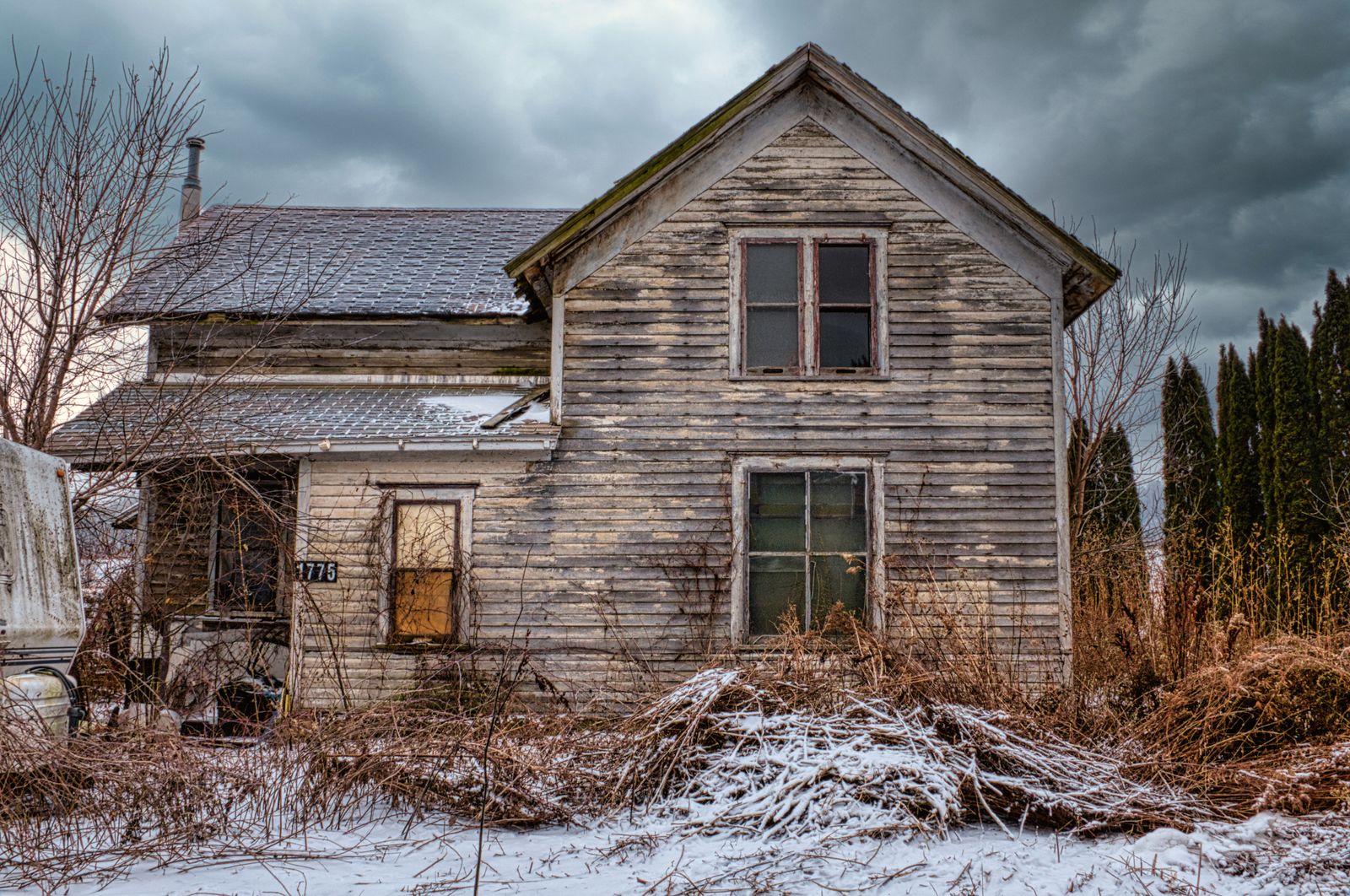
Whether you are an investor looking for your next flip or an average homebuyer hoping to score a deal on a property, buying a foreclosure in Alberta can be an enticing prospect. However, purchasing a distressed property is vastly different from a traditional real estate transaction.
I believe that an educated buyer is a successful buyer. In this comprehensive guide, we are pulling back the curtain on everything you need to know about buying foreclosed properties in Alberta—from understanding the legal jargon to navigating the court offer process.
What is a Foreclosure?
At its core, a foreclosure is a legal process initiated by a lender (usually a bank) to recover the balance of a mortgage when the homeowner has stopped making payments. The lender forces the sale of the asset used as the collateral for the loan—the home itself.
Why Do Properties Go Into Foreclosure?
Foreclosures are rarely the result of malicious intent; they are usually the byproduct of unfortunate life circumstances. Common reasons a property falls into foreclosure include:
Sudden Job Loss: An unexpected loss of income makes it impossible to maintain monthly mortgage payments.
Divorce or Separation: The financial strain of splitting assets and maintaining two households can cause mortgage payments to fall behind.
Medical Emergencies: Severe illness or injury can lead to both a loss of income and staggering medical bills.
Rising Interest Rates: Homeowners on variable-rate mortgages may find themselves unable to afford drastically increased monthly payments.
Over-leveraging: Borrowing against the home’s equity too aggressively, leaving no safety net.

Judicial Sale vs. Bank-Owned Properties: What’s the Difference?
In Alberta, when a property goes into foreclosure, it typically falls into one of two categories. Understanding the difference is crucial for your purchasing strategy.
1. Judicial Sale (Court-Ordered Sale)
Alberta is a "judicial foreclosure" province. This means the foreclosure process goes through the Court of King's Bench. In a judicial sale, the property is still technically owned by the borrower, but the court has ordered it to be sold to satisfy the debt.
The Catch: Any offer you make must be approved by a judge. The court has a fiduciary duty to get fair market value for the property to protect both the lender and the borrower's remaining equity.
2. Bank-Owned Properties (Foreclosure/REO)
If the property does not sell during the judicial sale process, the court may grant an "Order for Foreclosure," transferring the title directly to the lender. These are known as Real Estate Owned (REO) or bank-owned properties.
The Catch: The bank is now the legal owner. You negotiate directly with the bank’s representatives (usually through their Realtor). While you don't have to go to court, the bank will attach extensive schedules to the purchase contract to protect themselves from any liability.

The Risks of "As Is, Where Is"
Whether you buy a judicial sale or a bank-owned property, it will be sold "As Is, Where Is." This is the most critical risk to understand.
When you sign an "As Is, Where Is" contract, the seller makes absolutely zero representations or warranties about the property.
No Guarantees on Condition: The furnace might be broken, the foundation might be cracked, or there could be hidden water damage.
Missing Appliances/Goods: Even if the fridge is there when you view the property, there is no guarantee it will be there on possession day. Unattached goods are not included in the contract. And that’s if you get to view the property at all. Often, viewings are restricted to protect the privacy of the owner.
No Real Property Report (RPR): You usually will not receive an RPR or compliance certificate, meaning you are taking on the risk of municipal bylaw infractions or unpermitted developments.
Leftover Junk: If the previous owners left behind a basement full of garbage, it is your responsibility and expense to clean it up. In circumstances where the resident feels jilted or like they are being “forced out”, they may trash the property before being formally evicted. This is neither rare nor common - it’s something that happens from time to time, and it can add an element of risk that many simply are not comfortable with.

The Offer Process: How to Compete and Win
Buying a foreclosure is not like a regular negotiation. Here is how the process works in Alberta:
Step 1: Submitting the Initial Offer
With the help of your realtor, you will submit an offer. If it’s a judicial sale, you can usually include conditions (like financing or inspection), but these conditions must be waived or satisfied before the offer goes to court.
Step 2: The Court Date
Once an offer is accepted pending court approval, a court date is set. Here is where it gets interesting: the process becomes public. Other buyers can (and often do) show up on your court date to try and outbid you.
Step 3: The Sealed Bid Process
If other buyers show up at court, the judge (Master in Chambers) will ask all parties to submit their absolute highest and best offer in a sealed envelope. There are no second chances. You write down your top number without conditions.
The judge opens the envelopes and typically awards the property to the highest bidder, provided it aligns with fair market value.

The Pros and Cons: Benefits vs. Financial Risks
The Benefits
Below-Market Potential: While courts strive for fair market value, distressed properties often sell for less than pristine, staged homes, allowing you to build instant equity.
Blank Slate: Many foreclosures require renovations, giving you the opportunity to customize the property to your tastes or force appreciation through strategic upgrades.
High ROI Potential: For investors, these properties make excellent rental additions or profitable flips once brought up to market standards.
The Financial Risks
Hidden Costs: Unforeseen structural issues, mold, or plumbing disasters can completely wipe out your profit margin.
Lost Deposits: Because court offers are unconditional, if you win the bid but your financing falls through at the last minute, you will lose your deposit and could face legal action.
Legal Delays: The court process can be incredibly slow. Court dates can be adjourned or delayed, tying up your deposit for months.

Who is the Ideal Buyer for a Foreclosure?
Foreclosures aren't for everyone. Let’s break down who benefits most from these types of transactions:
1. Corporations and Institutional Investors
Corporations are well-suited for foreclosures. They generally have high liquidity, easily accessible cash to cover the unconditional nature of a court sale, and the legal teams to absorb liability. For them, foreclosures are volume plays to add to expansive rental portfolios.
2. Flippers and Contractors
Professional flippers are arguably the best fit for distressed properties. Because they have the expertise to assess renovation costs accurately during a single walkthrough, they can calculate their margins tightly. They also have the trade connections to execute renovations quickly and cheaply, turning a heavily distressed "As Is" property into a massive profit.
3. The Average Home Buyer
Can an average family buy a foreclosure? Yes, but proceed with extreme caution. The average homebuyer usually relies on strict mortgage approvals. Competing in an unconditional court bidding war can be terrifying and financially risky for a first-time buyer. To succeed, the average buyer needs a large cash reserve, iron-clad pre-approval from their lender, and a high tolerance for stress.

Alberta Foreclosure FAQ
1. Can I get a home inspection on a foreclosure?
Yes, but you must do it before you remove your conditions and before the court date. Keep in mind, the seller (the court or the bank) will not fix anything or lower the price based on the inspection. The inspection is strictly for your own knowledge and is not to be used as a negotiation tool.
2. Can I get a mortgage for a foreclosed property?
Yes, but lenders are cautious. If the home is missing a heat source, has extensive mold, or is missing plumbing, traditional lenders (like the CMHC) may refuse to finance it. You may need to explore alternative lending options and getting a reasonable insurance policy could also be incredibly difficult.
3. Are foreclosures always sold for "pennies on the dollar"?
This is a common myth popularized by American television. In Alberta, the courts are legally obligated to seek fair market value. While you can get a good deal, expect to pay a price that reflects the home's current, distressed condition—not an absurdly low fantasy price.
4. Do I need a Realtor to buy a foreclosure?
Absolutely. The extensive paperwork, Schedule A attachments, and the complex judicial process require professional navigation. Without representation, you expose yourself to immense legal and financial liabilities.
Ready to Find Your Next Investment?
Buying a foreclosure requires patience, capital, and expert guidance. If you are ready to explore the foreclosed properties currently available in Alberta, Contact Pabian Realty today at pabianrealty.ca. Our team of experts will help you find the right property, structure a winning offer, and guide you safely through the Alberta court system!