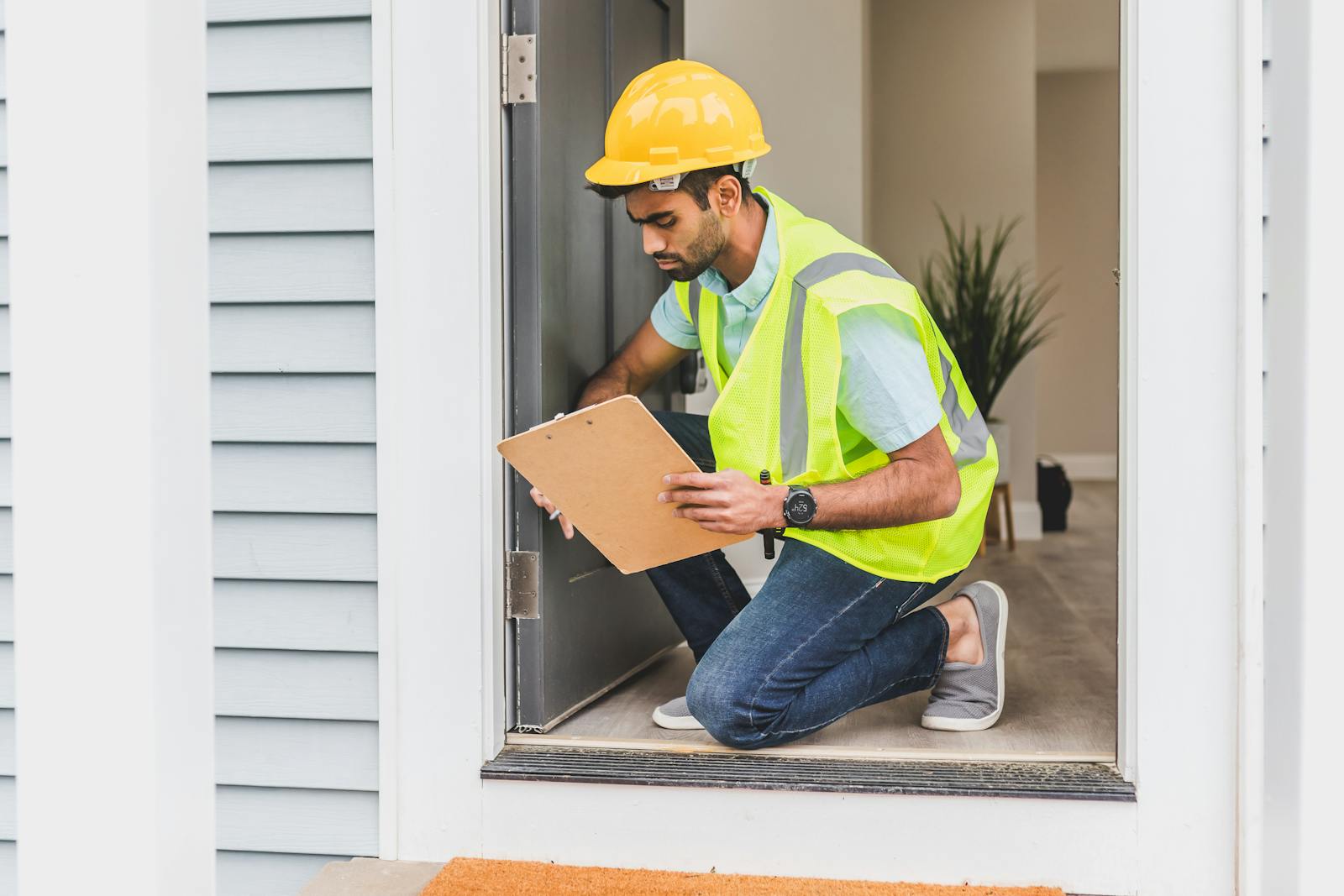
Whether you are looking to plant roots in a cozy suburban bungalow or getting ready to hand over the keys to your long-time family home, navigating the Alberta real estate market can feel a bit like riding a roller coaster. One of the most critical steps along that ride is the property inspection.
A property inspection is a thorough, non-invasive visual examination of a home’s physical structure and core systems—from the roof down to the foundation. In Alberta, its primary purpose is to give both parties an accurate, objective snapshot of the property's current condition so that everyone can make informed decisions before any papers are finalized.
Let's pull back the curtain on how inspections look from both sides of the closing table, dive into Alberta’s strict disclosure rules, and look at how to protect your investment.

1. The Buyer’s Perspective: Your Ultimate Safety Net
For a buyer, a home inspection is less of an luxury and more of an absolute necessity. When you fall in love with a property, it's easy to get blinded by quartz countertops, open-concept layouts, and beautiful staging. An inspector acts as your objective, clear-headed advocate.
Why Buyers Need It:
Negotiating Power: If the inspection reveals an aging furnace or a roof nearing the end of its lifespan, you can use the report to negotiate a price reduction or ask the seller to make repairs before closing.
The Power of the Condition: In Alberta, a standard purchase contract typically includes a Property Inspection Condition. If the report turns up major structural or safety issues that you aren't willing to take on, this condition allows you to walk away from the deal safely with your deposit intact.
Future Budgeting: Even if the house passes with flying colors, the report acts as a handy home-maintenance manual, outlining when you might need to replace major appliances or update systems down the road.
2. The Seller’s Perspective: Guarding the Deal
Sellers often view a buyer's home inspection with a bit of trepidation, anxiously waiting to see if a deal will hold together. However, understanding the inspection process is actually a seller's best defense against a collapsed sale.
Why Sellers Should Welcome It:
Validates Your Asking Price: A clean inspection report confirms your home is worth what you're asking for it.
Prevents Post-Closing Headaches: It ensures that once the property is sold, it stays sold. It minimizes the risk of a buyer trying to come after you months down the road for structural issues they claim you hid.

3. Disclosures in Alberta: Material Latent Defects vs. Patent Defects
Alberta real estate law has very specific rules regarding what a seller must legally disclose to potential buyers. Missing these nuances can land a seller in serious legal hot water.
Material Latent Defects (The Mandatory Disclosures)
A Material Latent Defect (MLD) is a hidden flaw that cannot be discovered through a reasonable, normal visual inspection, but makes the home dangerous, potentially unsafe to live in, or unfit for its intended purpose.
The Seller's Legal Obligation: If a seller (or their real estate agent) knows about a material latent defect, they are legally required by the Real Estate Council of Alberta (RECA) to disclose it in writing to all prospective buyers before a contract is signed. Examples include hidden mold behind drywall, a basement that routinely floods every spring, or major structural cracks covered up by recent cosmetic work.
Patent Defects (The Visible Issues)
Conversely, a Patent Defect is an obvious or visible flaw that can be easily spotted by a reasonable person or a standard property inspector.
The Poly-B Piping Example: Let's say a home features older Poly-B (polybutylene) plumbing, but the pipes are fully exposed in an unfinished basement. Because these pipes are completely visible and not hidden behind walls, this is considered a patent defect, not a material latent defect.
The Rule: Under the principle of caveat emptor (buyer beware), a seller is not legally obligated to point out patent defects like exposed Poly-B. It is entirely up to the buyer and their inspector to notice it and factor it into their purchase decision.
4. Pre-Listing Inspections: Benefits and Risks for Sellers
More and more Alberta sellers are choosing to order a pre-listing inspection before putting their home on the Multiple Listing Service (MLS®). This means the seller hires an inspector before entering negotiations.
5. The High Stakes of Skipping an Inspection (Buyer Risks)
In competitive markets, buyers are often tempted to drop the property inspection condition to make their offer look more attractive to sellers. This is a massive gamble. Skipping an inspection means you inherit the home exactly as it sits, completely blind to what's happening beneath the surface. You risk uncovering thousands of dollars in foundational shifting, faulty wiring, or roof leaks the moment you move in.

6. The Limitations of a Standard Property Inspection
It’s important to understand that home inspectors are generalists—think of them like a family doctor for your house. They check a bit of everything, but they do have limitations. A standard visual inspection typically does not cover:
Sewer Scoping: Inspecting the main sewer line out to the city connection requires a specialized camera line.
Deep Foundation/Structural Engineering: While they look for cracks, they cannot diagnose complex soil or deep-structural settling issues.
Advanced Mold/Environmental Testing: They will point out visible mold, but air quality testing or looking behind intact walls requires specialized remediation experts.
If your inspector spots signs of a red flag in any of these areas, they will recommend you bring in a specialized contractor to investigate further. Some inspectors do offer sewer scoping and might even be licensed for environmental testing, so if you have concerns before scheduling the inspection it’s best to discuss these items with them, and with your realtor.
7. Tips on How to Choose the Right Inspector in Alberta
Not all home inspectors are created equal. In Alberta, home inspectors must be licensed through Alberta Service Alberta. Here is how to pick the right one:
Verify the License: Ensure they hold a valid, current home inspector license in the province of Alberta.
Look for Professional Affiliations: Check if they belong to recognized associations like the Canadian Association of Home and Property Inspectors (CAHPI) or InterNACHI.
Ask for a Sample Report: Ensure their reports are comprehensive, easy to read, and full of clear digital photographs.
Read Reviews: Look for independent reviews emphasizing their thoroughness and customer service.
Pro-Tip: As your Realtor, I work closely with property professionals day in and day out. I maintain a vetted list of trusted, highly rated, and fully licensed home inspection companies in our local area. When you're ready, I can gladly refer you to professionals who will treat your potential investment with the scrutiny it deserves. I’m not compensated for these referrals in any way.

Frequently Asked Questions (FAQ)
Q: How much does a home inspection cost in Alberta?
A: Generally, a standard residential home inspection in Alberta runs between $400 and $600, depending on the size, age, and location of the property. Specialized add-ons, like sewer scoping or thermal imaging, will cost extra.
Q: Can a house "fail" a property inspection?
A: No. A property inspection is not a pass/fail test. It is simply a report on the current condition of the home. It is up to the buyer to decide if the issues uncovered are minor fixes or total deal-breakers.
Q: Does a home inspection include looking for Poly-B plumbing?
A: Yes. A qualified inspector will check the visible plumbing lines (such as under sinks or in unfinished utility rooms) and note the presence of Poly-B piping in the report, as it is a known risk in Alberta.
Q: How long does a typical property inspection take?
A: For an average-sized single-family detached home, expect the inspection to take between 2 to 4 hours. It is highly recommended that buyers attend the final hour of the inspection so the professional can walk them through the findings in person.
If you’ve got any questions regarding this or other topics, give Mike a call at 780-232-2064 or email mike@pabianrealty.ca. I look forward to hearing from you!
