
You’ve accepted an offer, conditions are waived, and the countdown to possession is on. From here to keys-handed-over, a lot happens behind the scenes—lawyers, paperwork, payouts, adjustments, movers, utilities, and (yes) timing curveballs. This guide walks Edmonton sellers through what happens after condition removal, what you’re responsible for, and how to avoid last-minute stress.
1) Loop in your real estate lawyer (right away)
As soon as conditions come off, your lawyer starts “conveyancing”—coordinating documents, payoffs, and the transfer of title/funds. They’ll ask for:
The signed purchase contract and any amendments
Two pieces of government ID (for FINTRAC—more on that below)
Your mortgage details (lender, account, payout date)
Any lines of credit on title
A void cheque for surplus-proceeds deposit
They’ll book your signing 5–10 business days before possession to review the Statement of Adjustments (what gets debited/credited) and your payout numbers. The signing is an in-person meeting where you will discuss the final details of the transaction. You will go over who gets what, including a detailed overview of fees owing. These can include cooperating commissions to the buyer’s agent, owed back taxes, outstanding HOA fees and the cost of a Title Insurance policy, if you are offering this in lieu of a Real Property Report and compliance certificate. If you’re buying another place the same day, work with your Realtor and lawyer now so they can coordinate money flows and timing.
Why timing matters: Alberta Land Titles has had periodic backlogs that can ripple into how firms schedule and process files. The province has even adjusted counter services to help address processing delays—another reason to give your lawyer runway. (Alberta.ca)

2) Understand your key deliverables as a seller
The Real Property Report (RPR) + municipal compliance (single-family/fee simple)
In a typical Alberta resale, the standard contract requires the seller to provide a Real Property Report with evidence of municipal compliance (unless the parties agreed on a different arrangement like title insurance). Practically, that means your RPR must reflect current improvements (decks, sheds, fences, AC pads, etc.). If you built since your last RPR, you may need a new one or an update. (galbraith.ab.ca)
Quick hits:
“Current” refers to accuracy, not age; what matters is that the RPR shows present-day improvements. Your RPR could be considered current if no modifications have been made to the structures or features of the property, even if the document itself is several years or even decades old. (documents.lawsociety.ab.ca)
If compliance is tough (e.g., an old fence encroaches), your lawyer can discuss options—including whether title insurance is acceptable under your contract—before you commit to a path. (Robertson LLP.)
Condo sellers: Estoppel certificate + fee status
If you’re selling a condominium, your lawyer typically orders an estoppel certificate from the corporation. Lenders rely on it to confirm fee amounts, arrears, special assessments, and insurance particulars right up to completion. Order it early to avoid rush fees. (galbraith.ab.ca)

3) FINTRAC identity verification (yes, for sellers too)
Canada’s anti-money-laundering rules require identity checks on real estate transactions. Expect your brokerage and/or lawyer to verify and record your ID. It’s quick but mandatory—build it into your to-do list. This is absolutely non-negotiable, and the transaction can not go through until this is completed. All that your realtor will need in order to complete this on your behalf is a current copy of your ID. Buyers have this too and it is a legal requirement for all transactions nationwide. (Mike Pabian)
4) The Statement of Adjustments: where the math happens
Your lawyer prepares a statement that reconciles what you owe and what you’re owed on possession day:
Debits: mortgage/LOC payouts, real estate commissions, property tax share, condo fees to possession, any agreed holdbacks
Credits: buyer’s deposit, buyer’s share of property taxes/condo fees after the possession date (if you prepaid), any prepaid utilities that are adjustable under your contract
You’ll review and sign this at your appointment so your lawyer can disburse funds accurately on possession.

5) Mortgage payout & penalties
Your lawyer requests an official payout statement from your lender for the possession date. If you’re breaking a fixed term, there may be an interest-rate differential (IRD) or three-month-interest penalty. This comes off the sale proceeds automatically—no separate cheque required.
Tip: If you’re porting your mortgage to your next home, loop in your lender early so the “sell” and “buy” legs line up. Your lawyer can coordinate funds if both deals close the same day.
6) Tenanted properties: deposits, notices, and handover
Selling with a tenant? Alberta’s Residential Tenancies Act has rules around notice, showings, and—on sale—transferring the tenant’s security deposit to the new owner with a statement of account. Your lawyer handles the adjustments, but you’re responsible for ensuring compliance. (Alberta.ca)
Heads-up: Some buildings also require separate “building” deposits (common in condos) that may need to be adjusted or transferred on sale—your lawyer will include these on the statement. (clarklegal.com)

7) What condition must you leave the home in?
Short answer: as agreed in your contract. Practically, Edmonton buyers expect “broom-clean,” all included fixtures/chattels left in place, and systems in the same working order as when the offer was accepted (ordinary wear and tear excepted). If anything changes before possession (e.g., a leak), disclose it to your agent/lawyer immediately so you can resolve it well before key release.
While it’s not legally required that you clean the house before you leave it for the buyers, it is common courtesy. Mike works with cleaners that are able to complete a move-out clean quickly and efficiently, and Mike has also been known to provide this as a gift to his clients in the right circumstances.
Pro move: Book cleaners for the day before possession and photograph rooms once empty as proof that cleaning occured.
8) Utilities, property taxes, and final reads
Utilities: Call to cancel/transfer service effective possession day and arrange final meter reads (power, gas, water). Keep confirmation numbers.
Property taxes: You’ll be credited/debited for your share up to possession. If Land Titles registration delays mean assessment notices still come to you later, forward them to the buyer or your lawyer—municipalities note ongoing Land Titles backlogs. (HTM Law | Edmonton Lawyers)

9) Possession day: when do the buyers get keys?
Your lawyer receives the buyer’s funds. Once funding is confirmed, the buyer’s agent gets the official go-ahead to release keys. Even if the contract says noon, expect variability due to bank cut-off times, wire queues, and law-office workflows. If anyone’s closing on a Friday (or before a long weekend), small hiccups can push key release later in the day. Stagger movers accordingly. (I advise buyers and sellers to avoid Monday and Friday when possible.) Also note that it’s not possible to have a possession day during the 2 weeks that the Government of Alberta is closed over the Christmas break, as all land titles offices will be closed. (Mike Pabian)
10) Holdbacks, repairs, and “after-close” loose ends
If you agreed to complete repairs before possession, your lawyer may structure a holdback until proof of completion is provided. Keep invoices/warranties handy. For condos, special-assessment timing can also trigger adjustments or targeted holdbacks—your lawyer will advise based on your contract and the corporation’s status. Holdbacks can be contentious and aggravating to both parties, so be sure to discuss your options with both your lawyer and your realtor. (galbraith.ab.ca)
11) What happens to your money?
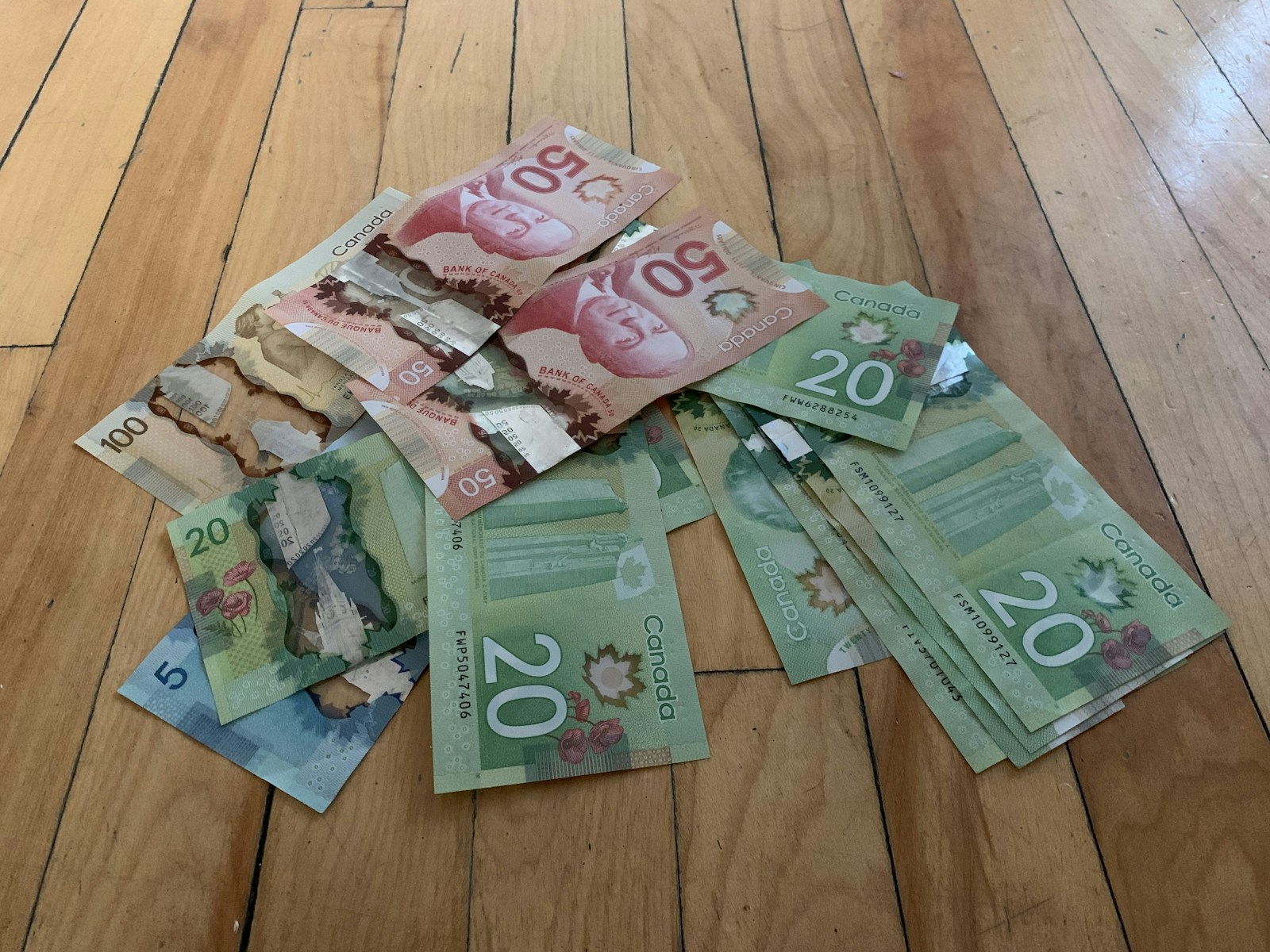
After paying out mortgages/LOCs, commissions, adjustments, and any holdbacks, your lawyer deposits the net proceeds into your account (same day or next banking day, depending on timing). If you’re closing a purchase the same day, funds may move directly between trust accounts to keep everything on schedule. It’s important to note that given the amount of money that is being moved, you may not have full access to all funds for up to a week after closing, depending on your bank’s policies.
12) Common seller mistakes (and how to dodge them)
RPR surprises late in the game. If you added or altered structures since your last RPR, talk to your lawyer early and book the surveyor if needed. (Robertson LLP.)
Ordering the condo estoppel too late. Leave buffer to avoid rush fees or closing delays. (galbraith.ab.ca)
Friday closings with noon movers. Build in slack; keys only release after funding. (Mike Pabian)
Forgetting security-deposit transfer on tenant sales. It must follow the property—with proper accounting. (Alberta.ca)
Assuming Land Titles is instant. Backlogs happen; stay responsive to your lawyer’s requests so your file isn’t one of the ones that gets kicked back for corrections. (Law Society of Alberta)

Seller’s mini-timeline (Edmonton, typical resale)
Day 0: Conditions removed. Hire/confirm lawyer. Start RPR/estoppel tasks.
Day 3–5: Lawyer requests mortgage payout and drafts early adjustments.
~1 week before possession: Sign with your lawyer; adjustments finalized.
Possession day: Buyer’s funds land → your lawyer confirms funding → keys released → proceeds disbursed.
After: Cancel utilities, keep records, and forward any stray mail or tax notices if they arrive due to Land Titles lag. (HTM Law | Edmonton Lawyers)

FAQ (For Alberta Sellers)
Do I always have to provide an RPR with compliance?
In a typical Alberta resale using the standard contract, yes—that’s the default. Parties can agree to alternate arrangements (e.g., title insurance), but that must be negotiated. If you’ve added improvements, expect to update the RPR. (galbraith.ab.ca)
How “new” does my RPR need to be?
There’s no strict age limit; it just needs to accurately show current improvements. Municipal compliance relates to what’s on the ground today. (documents.lawsociety.ab.ca)
I’m selling a condo. What’s this estoppel certificate and who pays?
It’s proof from the condo corporation about fee amounts, arrears, insurance, and financial status. The seller’s lawyer usually orders it and the seller commonly pays (check your contract). Order early to avoid rush charges. (galbraith.ab.ca)
We have a tenant. What happens to the security deposit?
It must be transferred to the buyer with a statement of account, and interest rules apply under the Residential Tenancies Act. Your lawyer will adjust it on closing. (Alberta.ca)
Why do closings sometimes miss “noon” possession?
Keys only release after funds are received and verified. Wires, bank cut-offs, and law-office workflows can push timing—especially on Fridays and long-weekend eves. (Mike Pabian)
Land Titles shows delays—does that affect me?
Registration backlogs don’t usually stop you from closing, but they can affect how municipalities route tax mail and how lawyers schedule filings. Stay responsive and expect your lawyer to double-check documents to avoid rejections. (Alberta.ca)

Final thoughts
Selling is a project with a lot of moving parts—but with the right prep (RPR/estoppel early, clean condition, utility planning) and a proactive lawyer, possession day can be smooth and drama-free. If you’d like my checklists (cleaning, utility notifications, movers) or you want me to quarterback the timeline with your lawyer and the buyer’s agent, I’m happy to make this easy.
Disclaimer: This is general information for Alberta resales and isn’t legal advice. Always confirm specifics with your lawyer and your purchase contract.
