
In the Edmonton real estate landscape of 2026, the "Legal Suite" is the undisputed heavyweight champion of the market. With the average detached home in Edmonton currently priced at $556,752 (according to REALTORS® Association of Edmonton January 2026 Statistics), many buyers are using "house hacking" to turn a primary residence into a cash-flowing asset.
As we enter this year's balanced market—where inventory is up 32.7% year-over-year—buyers finally have the leverage to demand quality, safety, and 100% legal compliance. At Pabian Realty, we want to ensure your "mortgage helper" doesn't turn into a liability.
1. The Financials: 2026 Construction Costs
If you're looking to add a suite to an existing home, your 2026 budget must reflect the reality of current labor and material inflation. A professional, code-compliant basement suite conversion typically ranges from $70,000 to $120,000.
The Payoff: A legal suite in Edmonton currently fetches between $1,100 and $1,450 per month in rent. Under 2026 lending guidelines, many banks allow you to use up to 80% of this projected income to help you qualify for your mortgage.
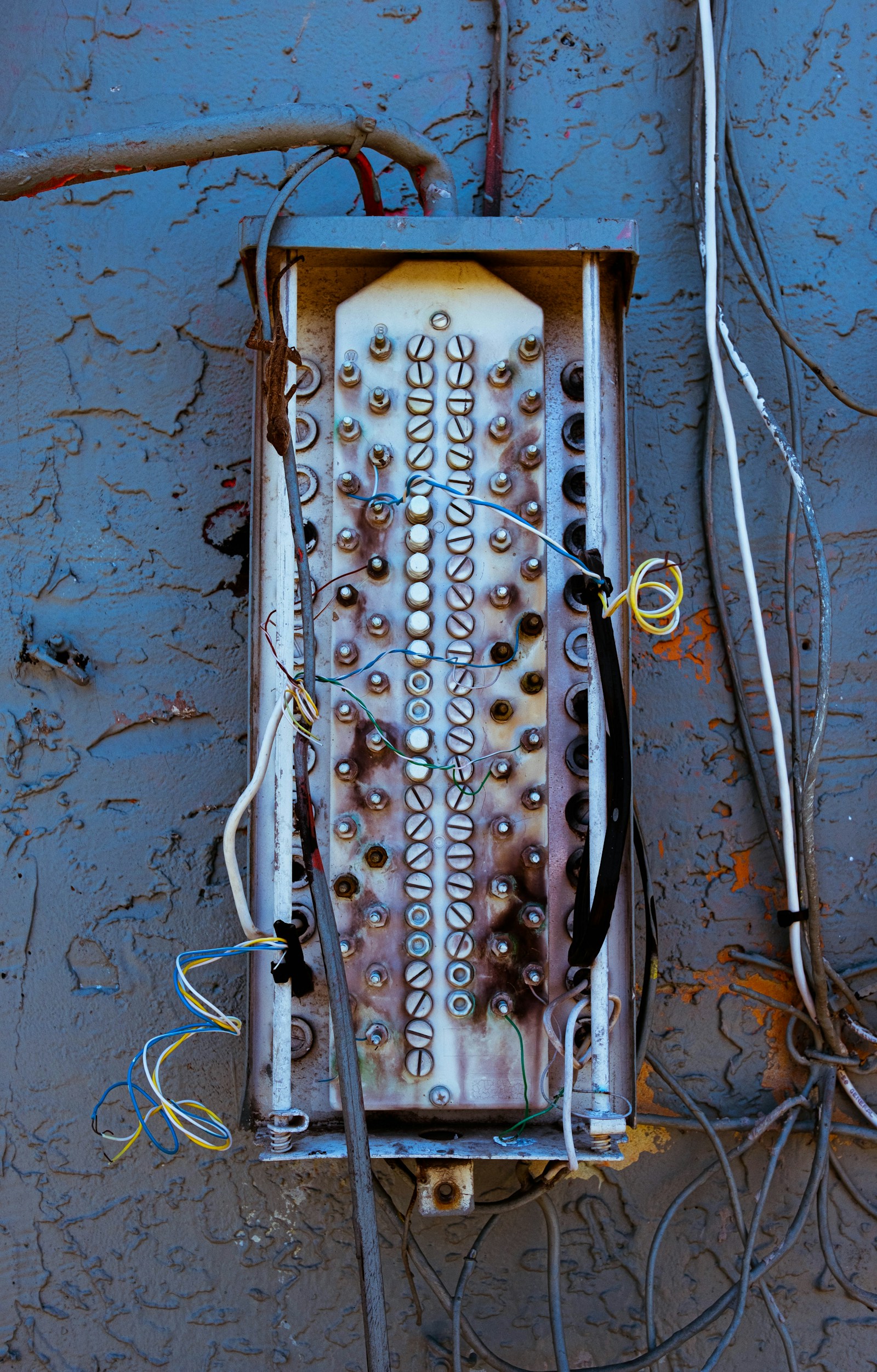
2. Electrical Deep Dive: The Load Calculation
In character-rich neighborhoods like Glenora, Bonnie Doon, or Ritchie, many homes were built with 60 or 100-amp service. When you add a second kitchen, a second laundry set, and perhaps a tenant with an EV charger, 100 amps is no longer enough.
Before the City issues a permit, a Master Electrician must perform a Section 8 Load Calculation. If the demand exceeds the service capacity, you must upgrade to 200-amp service.
The Overhead Route: Generally costs $4,000–$6,000. Wires come from a pole.
The Underground Route: This is the "hidden money pit." If your lines are buried, EPCOR may require trenching across your yard or street. This can skyrocket to $15,000–$25,000+. Check your EPCOR service connection type before signing a waiver.
3. Legal Requirements: The Safety Checklist
A suite is only legal if it holds a City of Edmonton Occupancy Permit. According to the National Building Code – 2023 Alberta Edition, the following are non-negotiable:
Fire and Life Safety
Fire Separation: You must have a smoke-tight barrier (minimum 1/2” Type X drywall) on the ceiling and walls between units.
Interconnected Alarms: Smoke and Carbon Monoxide detectors must be hardwired and interconnected. If a fire starts in the basement kitchen, the upstairs alarms must sound instantly.
Egress Windows: Every bedroom must have at least one window with an unobstructed opening of 0.35 m² and no dimension less than 380 mm.
Mechanical and Plumbing
Independent HVAC: New 2026 suites require independent heating and ventilation. You cannot share air between the main floor and the suite to prevent smoke and odor migration.
Water Heating: While sharing a water heater is legal, many landlords opt for a second tank to avoid "cold shower" complaints.
Zoning and Parking
Entrance: Must be accessible from the outside via a dedicated door or a common indoor landing.
Parking: Edmonton's Zoning Bylaw 20001 generally requires one additional on-site parking space for the suite, often provided in a tandem (one-behind-the-other) layout.

4. Property Management: DIY or Professional?
Managing a tenant who lives under your feet is a lifestyle choice. In 2026, many owners are debating the 8%–12% management fee.
Hiring a Management Company
The Pros: Professional screening (essential with the current 2026 tenant laws), 24/7 maintenance dispatch, and acting as a legal buffer. They handle the Residential Tenancies Act (RTA) notices so you don't have to.
The Cons: Cost and loss of personal connection. You might not get to hand-pick the person living in your home.
The DIY Route (Self-Management)
The Pros: Save $150–$200/month. You have total control over who moves in.
The Cons: You are the one knocking on the door if rent is late. You are the one fixing a leaky sink on Sunday afternoon.
When considering whether to hire a property management company, I often ask clients some very direct questions:
1. Worst case scenario, are you comfortable managing the eviction process if things go sideways?
2. Are you available at 3am on a Monday morning if a pipe bursts? Who would you call? Let’s pretend your basement is flooding right now, what’s your plan?
3. Do you have time to show your home to new renters? What if they want to see it at 9am on a Wednesday? 8am on a Sunday?
4. Do you have a process for screening your applicants? Do you have a lawyer?
These are just some of the issues you need to think about when becoming a landlord. For a full deep dive on this topic, check out this video (it’s one of my first so while I stand behind the information, the production quality is more Razzie than Oscar-worthy).
5. Resale Value and Property Taxes
Does it pay off? According to Edmonton Basement Development Statistics, a fully legal, permitted suite adds between $50,000 and $100,000 to your home's resale value. Depending on the area and availability of suites, this number can go much, much higher. With our population boom showing no signs of stopping, basement suites are at a premium. For more information on how demographics are driving this demand, check out this recent article.
Property Tax Implications: The City of Edmonton assessment is based on market value as of July 1st of the previous year. Adding a suite will increase your property's assessed value, typically resulting in a $400–$800 annual increase in property taxes. However, the $15,000+ in annual rental income easily covers this. Check the Edmonton Assessment FAQ for more.

🤔 Frequently Asked Questions (FAQ)
Q: Are there any grants for building a suite in 2026?
A: Yes! The City's Cornerstones II Grant provides up to $20,000 for construction. Additionally, the CMHC Secondary Suite Loan Program offers up to $80,000 in low-interest funding for homeowners creating new legal units. You can also get a Purchase Plus Improvements mortgage and renovate your new house shortly after you move in.
Q: What is an "Illegal" suite exactly?
A: It’s a suite that may have a kitchen and bathroom but was never permitted by the City. If a neighbor complains, the City can issue a "Stop Order," and your insurance may deny any fire-related claims because the dwelling was not code-compliant. Worse, if something happens resulting in injury or property damage, you will likely be fully liable for injuries and damage - insurance is unlikely to cover you, especially if they can prove that you had folks living in an illegal suite. It’s dumb, dangerous, and sometimes deadly - and the penalties are severe.
Q: How do I separate utilities?
A: Money! You can install a second electrical meter through EPCOR for roughly $5,000–$7,000. For gas and water, most Edmonton landlords include a "flat fee" in the rent or split the bill 60/40 via the lease agreement.
Adding a secondary suite is risky, and it may not pay off. Many factors, including yard access, lot size, permit requirements, flooring plan, and much, much more can all make this an unaffordable or even risky way to spend some money. It might be best to find a property that has a legal suite. Every situation is unique but don’t worry - I’m backed by Edmonton’s largest residential brokerage. We’re really, really good at this. Reach out any time!

📑 Summary of Cited Sources
Market Data: REALTORS® Association of Edmonton - 2026 Outlook
Building Codes: National Building Code – 2023 Alberta Edition (NBC-AE)
Safety Standards: City of Edmonton Secondary Suite Design Guide
Utilities: EPCOR Residential Service Connection Guide
Legal Rights: Service Alberta - Residential Tenancies Act Handbook
Taxation: City of Edmonton Property Assessment FAQ
Mike Pabian REALTOR® | REMAX Excellence
Phone: 780-232-2064 | Web: PabianRealty.ca
When Mike isn’t busy helping Edmontonians build wealth through real estate, he’s hanging out with his wife Grace and their pugs, Frank and Pickles. If you want a smooth move, call or text 780-232-2064 today.
